Choosing Between Galvanized Steel and Stainless Steel for Your Next Project
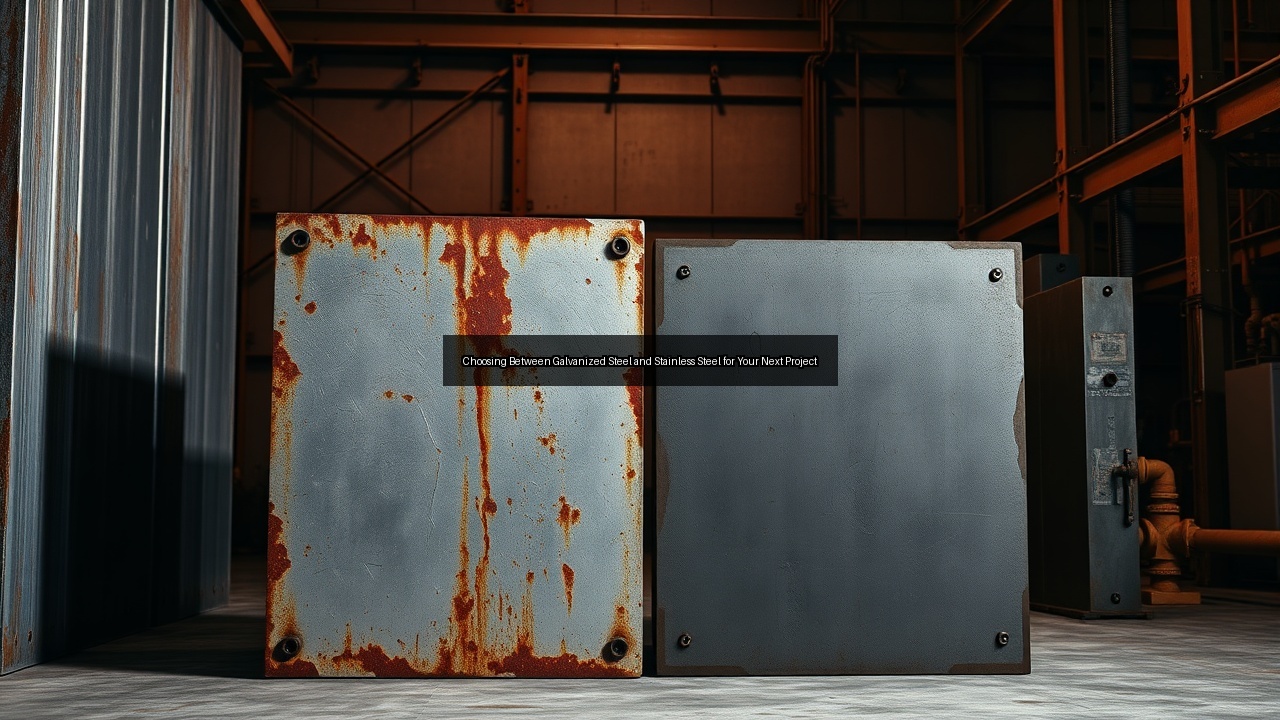
Understanding Galvanized Steel and Stainless Steel
What is Galvanized Steel?
Galvanized steel undergoes a protective coating process where manufacturers apply zinc to plain steel through hot-dip galvanizing. This creates a barrier that shields the underlying metal from moisture and oxygen. Builders favor galvanized steel in outdoor applications because the zinc layer sacrifices itself to prevent rust formation on the base material. Pros of galvanized steel include strong initial protection at lower upfront costs and easy availability in sheet metal and steel plates for construction projects. Many fabricators use it for fencing, roofing, and fasteners where moderate exposure to weather occurs. The process also adds durability without requiring frequent maintenance in dry or mildly corrosive settings.
What is Stainless Steel?
Stainless steel contains at least 10.5 percent chromium, which forms a passive oxide layer that prevents corroding even when scratched. This self-healing property makes stainless steel suitable for demanding environments like food processing equipment and pressure vessels. Fabricators appreciate its clean appearance and resistance to staining over decades of service. Pros of stainless steel include long service life without coatings and compatibility with laser cutting for precise components. Industries in the metal industry choose it for marine hardware and medical devices where hygiene and strength matter most. Its composition allows welding without special ventilation in many cases.
Key Differences in Composition
Galvanized steel starts as carbon steel then receives a zinc coating, while stainless steel integrates chromium, nickel, and other alloys directly into its structure. This fundamental distinction affects how each metal behaves during fabrication and exposure. Galvanized versions rely on the external zinc for protection, which can wear away over time, whereas stainless maintains its defense internally. When comparing galvanized steel vs stainless steel, note that the former suits budget-driven projects and the latter excels where appearance and minimal upkeep remain priorities. Both metals appear in steel production, yet their alloy makeup dictates different performance in weldability and corrosion scenarios.
Corrosion Resistance: A Critical Consideration
How Galvanization Protects Against Corrosion
Galvanization works by creating a zinc barrier that corrodes preferentially, protecting the steel substrate from rust. The zinc reacts with the atmosphere to form stable compounds that slow further degradation. This method delivers reliable performance in atmospheric conditions but struggles in highly acidic or alkaline settings where the coating depletes quickly. Fabricators often apply galvanized coatings to sheet metal and fasteners for bridges and agricultural equipment. The process proves effective against uniform corrosion yet leaves edges and welds vulnerable once the zinc thins. Regular inspections help extend the life of galvanized components before underlying steel begins corroding.
Corrosion Resistance of Stainless Steel
Stainless steel resists corrosion through its chromium-rich passive film that reforms automatically after damage. Grades like 304 and 316 handle chlorides and industrial pollutants better than galvanized alternatives in most tests. This built-in protection eliminates the need for additional coatings on pressure vessels and chemical tanks. Many engineers select stainless steel for coastal installations where salt spray accelerates rust on coated metals. The material maintains structural integrity even after surface scratches, unlike galvanized steel that loses protection once the zinc layer breaches. Such reliability reduces replacement frequency across long-term installations.
Factors Influencing Corrosion in Different Environments
Temperature, humidity, pollutants, and mechanical damage all influence how quickly each metal degrades. Galvanized steel performs well in rural areas but loses effectiveness near chemical plants or saltwater. Stainless steel handles urban pollution and marine exposure more consistently due to its alloy content. Project planners must evaluate soil acidity for buried steel plates and ventilation for indoor applications. In mixed environments, combining both metals requires careful isolation to avoid galvanic corrosion at contact points. Understanding these variables guides proper material selection for sustained performance without unexpected failures.
Weldability and Fabrication Techniques
Welding Galvanized Steel: Challenges and Solutions
Welding galvanized steel releases zinc fumes that require proper ventilation and respiratory protection for workers. The coating can also cause porosity and spatter if not removed from the weld zone beforehand. Fabricators often grind away the zinc layer near joints then apply cold galvanizing paint afterward to restore protection. Despite these steps, the process remains straightforward for structural frames and automotive parts. Many shops use shielded metal arc welding or gas metal arc methods successfully once surface preparation occurs. Proper technique minimizes defects while preserving the corrosion resistance of the finished assembly.
Welding Stainless Steel: Advantages
Stainless steel offers excellent weldability with processes like TIG and MIG that produce clean, strong joints without coatings to contend with. Its lower thermal conductivity demands controlled heat input to avoid distortion, yet the resulting welds maintain corrosion resistance when proper filler metals are chosen. Fabricators value stainless steel for applications needing hygienic surfaces such as pharmaceutical equipment. Laser welding further enhances precision on thin stainless sections. Minimal post-weld treatment keeps production efficient compared with galvanized materials that need zinc restoration after joining.
Laser Cutting: Suitability for Different Steel Types
Laser cutting handles both galvanized and stainless steel effectively, though each requires adjusted parameters. Galvanized sheet metal may produce more dross due to the zinc layer, necessitating higher assist gas pressures. Stainless steel cuts cleanly with nitrogen to prevent oxidation on edges, delivering smooth finishes ideal for visible components. Shops often prefer fiber lasers for their speed on carbon steel bases before galvanizing. This versatility supports rapid prototyping of brackets, enclosures, and custom parts across industries. Proper settings reduce heat-affected zones and maintain material properties after cutting.
Cost Analysis: Prices and Economic Considerations
Comparing Prices of Galvanized Steel and Stainless Steel
Galvanized steel typically costs less per ton than stainless steel because it uses plain carbon steel plus a zinc coating. Current market prices reflect this gap, with galvanized options often 30 to 50 percent cheaper for equivalent thicknesses in sheet metal and steel plates. Stainless grades command premiums due to alloying elements like nickel and chromium. Buyers comparing galvanized steel vs stainless steel must weigh initial outlay against service life expectations. Regional fluctuations in zinc and nickel markets also affect these relative prices over time.
Long-term Cost Benefits of Stainless Steel
Stainless steel delivers lower lifetime costs through reduced maintenance and fewer replacements in corrosive settings. Projects using stainless avoid repeated painting or coating renewal required by galvanized steel after zinc depletion. Industries such as water treatment and food production report significant savings from stainless installations that last decades without corrosion issues. Although upfront prices run higher, the elimination of downtime and repair expenses often justifies the investment. Lifecycle calculations frequently favor stainless when exposure risks remain elevated.
Budgeting for Your Project: Material Costs
Accurate budgeting requires factoring in material quantity, fabrication complexity, and expected lifespan alongside raw prices. Galvanized steel suits short-term or low-exposure projects where initial savings matter most. Stainless steel fits permanent installations that benefit from durability without ongoing interventions. Procurement teams should request current quotes for both metals and include contingency for fasteners and welding consumables. Transparent cost modeling helps stakeholders select the option that aligns with project timelines and performance requirements.
Environmental Impact and Sustainability
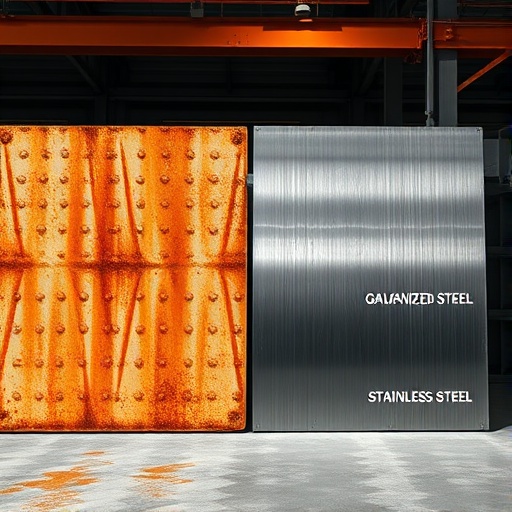
Sustainability of Galvanized Steel Production
Galvanized steel production consumes energy during zinc mining and the hot-dip process, yet the resulting material offers extended service that offsets some impacts. Zinc recycling from spent coatings reduces demand for new extraction. Manufacturers increasingly adopt closed-loop systems to minimize waste in steel production lines. Galvanized components in construction contribute to lower replacement rates compared with uncoated alternatives. Environmental assessments consider these factors when evaluating overall footprint across building lifecycles.
Stainless Steel: A Sustainable Choice?
Stainless steel earns recognition for high recyclability, with many grades containing over 50 percent recycled content. Its long durability decreases the need for virgin material extraction over time. Production methods continue to improve energy efficiency in electric arc furnaces that melt scrap efficiently. Stainless steel supports circular economy goals in the metal industry through repeated reuse without quality loss. Projects prioritizing sustainability often select stainless for its balance of performance and end-of-life value.
Recycling and Life Cycle Assessment of Both Metals
Both galvanized and stainless steel achieve high recycling rates at end of service, though stainless retains value better due to its alloy content. Life cycle assessments reveal that durability often outweighs production impacts for either metal when chosen appropriately. Galvanized steel recycling recovers zinc separately before steel remelting. Stainless flows directly into new stainless production streams. Proper sorting at demolition sites maximizes recovery and supports reduced environmental burdens across the supply chain.
See Also
- Why Galvanized Steel May Be Your Best Bet for Corrosion Resistance
- Sustainability in Metal Choosing Between Galvanized and Stainless Steel
- From Rust to Resilience A Deep Dive into Galvanized and Stainless Steel
- Understanding the Role of Galvanized Steel in the Metal Industry
- Exploring the Weldability of Galvanized Steel and Stainless Steel