Exploring the Advantages of Injection Molding for Thermoset Plastics
Understanding Injection Molding for Thermoset Plastics
What are Thermoset Plastics?
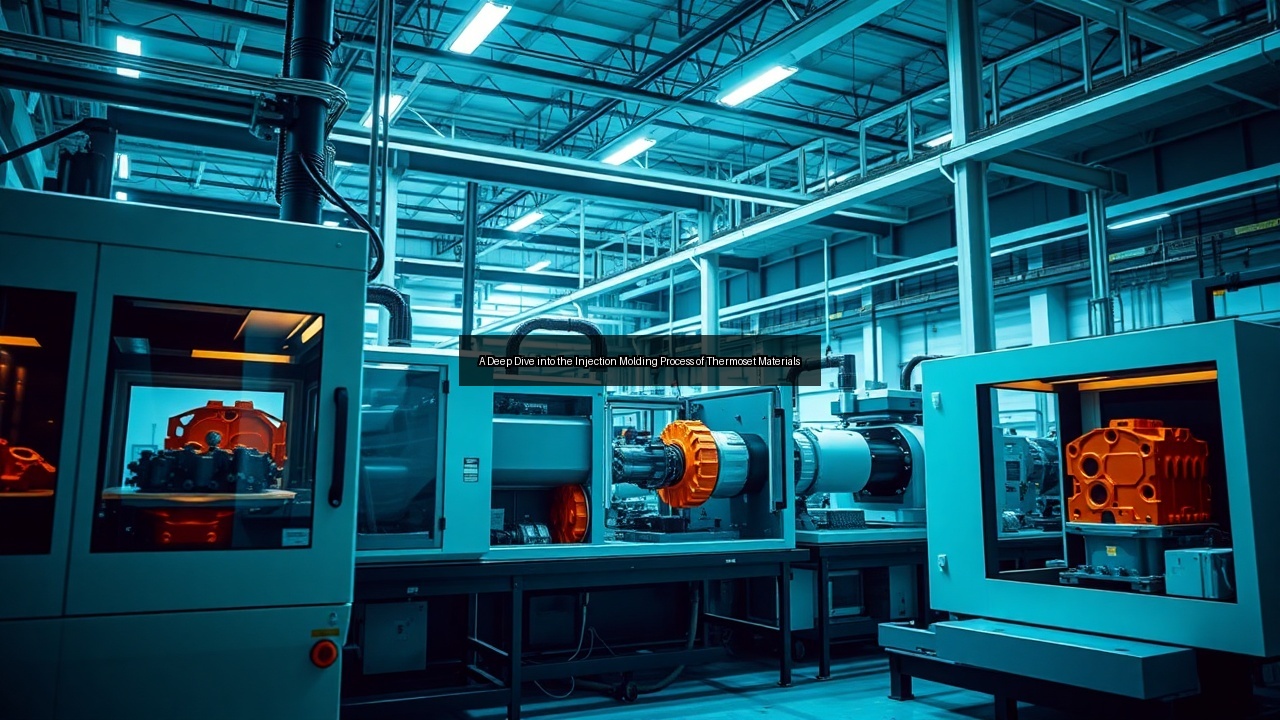
Thermoset plastics form permanent chemical bonds during curing that prevent them from melting under heat. Manufacturers rely on injection molding thermosets to create rigid parts that hold shape even when exposed to high temperatures. These materials start as liquid resins that flow into molds before cross-linking occurs. Once cured, the resulting components resist deformation far better than many alternatives. Engineers select thermoset polymers for applications where structural integrity matters most. Plastic injection molding processes allow precise control over the curing cycle to achieve consistent results across production runs.
Characteristics of Thermoset Materials
Thermoset materials deliver excellent heat resistance and dimensional stability after molding. Their molecular structure locks into place during the injection process, eliminating the risk of softening later. These plastics also withstand repeated exposure to harsh environments without degrading. Injection molding thermosets produces parts with low creep under load, which proves essential in mechanical assemblies. The materials bond tightly with fillers that enhance strength and electrical insulation. Producers value the way thermoset injection molding maintains tight tolerances even in demanding conditions.
Differences Between Thermosets and Thermoplastics
Thermoplastics soften when reheated while thermosets remain rigid after curing. This fundamental distinction drives material selection in plastic injection molding projects. Thermoplastic materials such as acrylonitrile butadiene styrene or polypropylene allow remolding and recycling, yet they lose performance at elevated temperatures. Thermosets instead provide superior chemical resistance and strength that lasts throughout the product lifecycle. Injection molding thermosets requires different equipment settings and mold temperatures compared with thermoplastic injection molding. Engineers often choose thermoset molding when parts must endure continuous heat or aggressive chemicals that would distort thermoplastics.
Advantages of Injection Molding for Thermosets
High Precision and Consistency
Injection molding thermosets achieves tight dimensional tolerances that meet exact engineering specifications. The process fills molds uniformly before curing locks the shape in place. Automated controls maintain consistent pressure and temperature across every cycle. This precision reduces variation between individual parts and supports high-volume output without quality drift. Plastic injection molded components from thermoset materials fit together reliably in complex assemblies. Manufacturers trust the repeatability of thermoset injection molding to deliver uniform results that minimize downstream adjustments.
Complex Geometries Made Possible
Thermoset injection molding allows intricate internal features and thin walls that other methods struggle to produce. The low-viscosity resins flow into fine details of the mold cavity before cross-linking begins. Engineers create undercuts and threaded sections in a single operation through careful mold design. Injection molding thermosets supports multi-cavity tools that produce several detailed parts simultaneously. This capability reduces secondary machining and assembly steps. Designers gain freedom to optimize part geometry for performance without sacrificing manufacturability.
Durability and Chemical Resistance
Parts made through injection molding thermosets resist attack from acids, solvents, and oils that degrade other plastics. The cross-linked structure prevents swelling or cracking when exposed to aggressive chemicals. These components maintain mechanical properties after long-term contact with fuels or industrial fluids. Thermoset materials also endure thermal cycling without losing strength. Plastic injection molding of thermosets therefore suits environments where failure carries high costs. The resulting durability extends service life and lowers replacement frequency.
Cost-Effectiveness in Mass Production
High-volume runs benefit from the fast cycle times and low scrap rates of thermoset injection molding. Once molds are prepared, the process produces thousands of identical parts with minimal waste. Material costs stabilize because thermoset resins cure efficiently without excess. Injection molding thermosets reduces labor through automation and eliminates many finishing operations. Manufacturers achieve lower per-unit pricing compared with machining or compression molding alternatives. The combination of speed and consistency improves overall production economics.
The Injection Molding Process for Thermoset Plastics
Overview of the Injection Molding Process
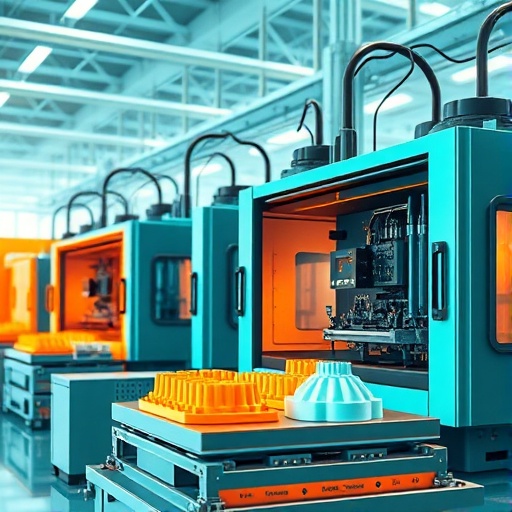
The injection molding process for thermosets begins with resin preparation and ends with part ejection after full cure. Material enters a heated barrel where a piston drives it into a closed mold under controlled pressure. Heat triggers the cross-linking reaction that solidifies the part inside the cavity. Cooling channels then bring the mold to the correct temperature for safe removal. Injection molding thermosets demands precise timing to avoid premature curing or incomplete fills. Operators monitor every stage to ensure optimal flow and final part quality.
Key Equipment Used in Thermoset Injection Molding
Specialized machines for thermoset injection molding feature reinforced barrels and precise temperature zones that differ from standard thermoplastic setups. The piston system delivers consistent shot volumes while preventing material from curing too early. Molds include advanced venting and heating elements to manage the exothermic reaction. Plastic injection molding equipment for thermosets often incorporates real-time sensors that track pressure and temperature. These tools allow fine adjustments during production. Maintenance routines focus on keeping the injection unit clean to avoid contamination that could affect cure quality.
Quality Standards: ISO 13485 Compliance
ISO 13485 certification guides quality management in facilities that perform injection molding thermosets for medical devices. The standard requires documented processes for mold validation, material traceability, and final inspection. Teams track every batch of thermoset material from receipt through finished parts. Plastic injection molded components undergo rigorous testing to confirm they meet dimensional and performance criteria. Compliance reduces risk and supports regulatory submissions. Manufacturers integrate these controls into daily operations to maintain consistent output that satisfies auditors.
Applications of Injection Molded Thermoset Plastics
Industries Utilizing Thermoset Injection Molding
Automotive suppliers use thermoset injection molding for under-hood components that face constant heat and vibration. Electrical manufacturers produce insulators and housings that require high dielectric strength. Aerospace firms select injection molding thermosets for lightweight structural brackets with excellent fatigue resistance. Medical device companies rely on the process for handles and enclosures that survive repeated sterilization. Industrial equipment builders incorporate thermoset parts into pumps and valves exposed to corrosive fluids. Each sector benefits from the unique combination of strength and stability that thermoset materials provide.
Case Studies: Successful Applications
One automotive program replaced metal brackets with injection-molded thermoset parts and cut weight by 40 percent while maintaining strength. The components passed extensive chemical exposure tests without degradation. A medical equipment maker adopted plastic injection molding of thermosets for surgical tool handles that withstand autoclave cycles. Production volumes increased after the switch because cycle times shortened. An electrical contractor used thermoset injection molding to create custom connectors that resisted arcing better than thermoplastic alternatives. These examples demonstrate how the process solves real engineering challenges across markets.
Comparison with Thermoplastic Applications
Thermoplastic injection molding works well for consumer goods that need color changes or occasional remolding. Thermosets excel when parts must operate continuously above 150 degrees Celsius or contact strong chemicals. Injection molding thermosets typically requires longer cure times but delivers parts with lower warpage over time. Thermoplastic materials offer faster cycles and easier recycling yet sacrifice performance in harsh conditions. Designers weigh these trade-offs during material selection. Many projects combine both approaches, using thermoplastics for housings and thermosets for internal load-bearing elements.
Future Trends in Thermoset Injection Molding
Innovations in Thermoset Materials
New thermoset formulations incorporate bio-based resins that maintain the high performance of traditional materials. These advances expand options for injection molding thermosets in environmentally sensitive applications. Researchers develop faster-curing systems that shorten cycle times without sacrificing final properties. Additives improve flow characteristics so molds fill more completely at lower pressures. Plastic injection molding equipment adapts to these materials through updated controls and barrel designs. The result is broader adoption across industries seeking stronger, lighter components.
Recyclability and Sustainability Challenges
Recyclability remains a key limitation for thermoset polymers because the cross-linked structure prevents remelting. Engineers explore grinding and reuse of cured scrap as filler in new compounds. Injection molding thermosets generates less waste than machining, yet end-of-life recovery needs improvement. Some producers investigate chemical recycling methods that break down the polymer network. Sustainability efforts also focus on energy-efficient curing processes that reduce overall carbon impact. The industry continues to balance performance advantages with environmental goals through targeted research.
Emerging Technologies in Plastic Injection Molding
Digital twins and real-time monitoring now optimize thermoset injection molding parameters before production starts. Sensors embedded in molds provide data that adjusts pressure and temperature automatically. Additive manufacturing creates conformal cooling channels that improve cure uniformity in complex tools. Hybrid machines combine injection with other processes to produce multi-material parts in one cycle. These technologies increase efficiency and reduce trial runs. Manufacturers adopting them gain competitive edges in quality and speed for thermoset applications.