Exploring the Precision of Swiss Machining in Aerospace Applications

The Importance of Precision in Aerospace Manufacturing
Why Precision Matters in Aerospace
Precision drives every decision in aerospace manufacturing because even minor deviations can compromise flight safety and performance. Swiss machining delivers tolerances measured in microns, which supports the extreme demands of jet engines and flight control systems. Engineers rely on this accuracy to maintain consistent material integrity across high-stress environments. Components must withstand rapid temperature changes and intense vibrations without failure. Swiss precision machining achieves these results by minimizing deflection during the cut, especially on slender parts. Aerospace firms integrate cnc swiss machining into production lines to meet strict certification standards from regulatory bodies. The process reduces scrap rates and ensures each machined part performs identically under load. This level of repeatability directly influences aircraft reliability and operational costs over thousands of flight hours.
Key Aerospace Components Utilizing Swiss Machining
Swiss machining produces critical aerospace parts such as fuel nozzles, actuator shafts, and electrical connectors that require fine threads and complex profiles. These components often feature diameters under 25 millimeters yet demand intricate internal features. Nickel-based superalloys appear frequently in these applications because they resist corrosion and heat. A swiss lathe handles the material efficiently while maintaining surface finishes below 16 microinches. Machine shops also machine titanium fasteners and sensor housings that fit into tight assemblies. Swiss style lathes excel at creating long, slender geometries without bending, which traditional equipment struggles to achieve. High production volumes of these parts benefit from the process’s ability to complete multiple operations in one setup. The resulting components meet exacting weight and balance requirements essential for modern aircraft design.
Challenges in Aerospace Machining
Aerospace materials like nickel alloys and hardened steels create significant machining challenges due to work hardening and poor thermal conductivity. Swiss machining counters these issues through constant guide bushing support that stabilizes the workpiece close to the cutting tool. Heat buildup can distort dimensions, so operators apply high-pressure coolant and optimized feeds. Complex geometries with deep grooves or cross-drilled holes require precise synchronization between spindles on cnc machines. Tight delivery schedules add pressure because any rework delays entire assemblies. Machine shops address volume variability by programming swiss turning centers for both prototypes and production runs. Maintaining tool life while holding micron tolerances demands careful selection of carbide grades and coatings. These obstacles make swiss machining technology a preferred solution for consistent output in demanding aerospace environments.
Understanding Swiss Machining Technology
Overview of Swiss Machining Process
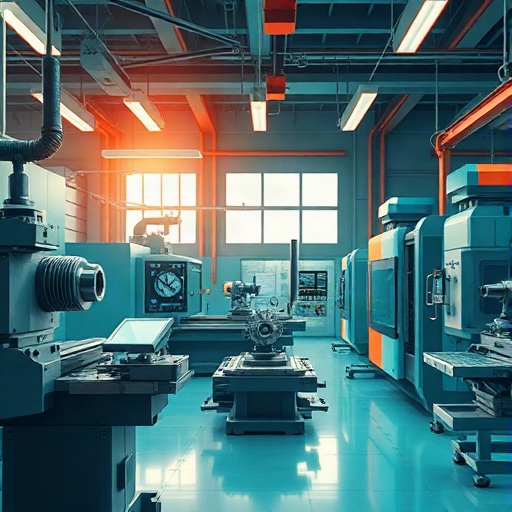
The swiss machining process feeds bar stock through a guide bushing directly to the cutting zone, which eliminates whip and supports slender workpieces. This configuration allows simultaneous machining from multiple axes while the material advances in precise increments. CNC swiss machining centers perform turning, milling, drilling, and threading in a single cycle, reducing secondary operations. Operators load long bars that support extended run times and higher volumes without frequent reloading. The process originated for watch components but now serves aerospace needs for miniature precision parts. Surface finishes and dimensional accuracy improve because the tool engages the material only millimeters from the support point. Swiss turning produces complete parts ready for assembly or plating without additional handling that risks damage.
Swiss Lathes vs. Traditional Lathes
Swiss lathes differ from traditional lathes through the guide bushing that provides rigid support immediately behind the cutting tool. Traditional equipment holds the workpiece at the chuck or collet, allowing deflection on parts longer than their diameter. Swiss style lathes maintain accuracy across extended lengths, making them ideal for aerospace shafts and pins. The headstock moves the material axially while tools remain stationary, reversing the typical setup. This design reduces vibration and enables aggressive cutting parameters on tough alloys. Traditional lathes often require multiple setups for the same geometries, increasing cycle time and error risk. Swiss machines complete complex contours and cross features in one operation, boosting overall productivity in machine shop environments focused on precision machining.
The Role of CNC Machines in Swiss Machining
CNC machines form the backbone of modern swiss machining by controlling multiple axes with sub-micron resolution. Programmers define tool paths that coordinate live tooling, sub-spindles, and automatic bar feeders for uninterrupted production. Advanced controls monitor tool wear and adjust offsets in real time to maintain tolerances throughout long runs. Integration with cad/cam software allows rapid iteration when designs change for new aerospace programs. These systems handle both low-volume prototypes and high volumes of identical machined parts without sacrificing consistency. CNC swiss machining equipment also supports in-process probing that verifies dimensions before the part leaves the machine. The combination of rigid mechanics and intelligent software elevates swiss precision machining to levels required for flight-critical hardware.
Applications of Swiss Machining in Aerospace
Common Aerospace Parts Manufactured
Swiss machining produces aerospace fasteners, hydraulic fittings, and valve components that demand exact thread forms and sealing surfaces. These parts often incorporate exotic materials such as Inconel and titanium that resist extreme conditions. Screw machines configured in swiss style deliver high volumes of rivets and bushings used throughout airframe assemblies. Sensor housings and electrical terminals benefit from the process’s ability to create thin walls and precise internal diameters. Machine shops frequently run batches of landing gear pins and control linkages that require both turning and milling features. The resulting machined parts achieve the weight savings and strength necessary for efficient aircraft operation. Swiss turning centers handle these diverse requirements while maintaining traceability for quality audits.
Geometries Achieved with Swiss Machining
Swiss machining creates intricate geometries including helical flutes, eccentric diameters, and micro-channels that traditional methods cannot produce efficiently. The guide bushing enables machining of parts with length-to-diameter ratios exceeding 20:1 without intermediate supports. Aerospace designers specify undercuts, cross-holes, and contoured profiles that align with airflow or fluid dynamics requirements. CNC swiss machining executes these features through coordinated axis movements and live tooling stations. Surface textures and edge breaks receive consistent treatment across every part in a production lot. The process also accommodates stepped diameters and internal threads within the same cycle, eliminating transfer between machines. Such geometric flexibility supports weight reduction initiatives while preserving structural integrity in critical flight systems.
Case Studies of Swiss Machining in Aerospace
One aerospace supplier adopted swiss machining to produce fuel system connectors from nickel alloy, cutting cycle times by 40 percent compared with previous methods. The parts featured multiple sealing surfaces and internal passages that required tight concentricity. Another machine shop used cnc swiss machining to manufacture titanium actuator rods for satellite deployment mechanisms, achieving consistent straightness across 150-millimeter lengths. Production volumes increased without added inspection steps because the process held tolerances automatically. A third case involved high-volume screw production for engine mounts, where swiss style lathes combined turning and threading to meet aggressive delivery schedules. These examples illustrate how swiss machining solutions improve both quality and throughput in real aerospace manufacturing settings.
Enhancing Productivity and Efficiency with Swiss Machining

Automation in Swiss Machining
Automation elevates swiss machining productivity through bar feeders, robotic part unloaders, and in-machine inspection systems. These additions allow continuous operation across multiple shifts with minimal operator intervention. Aerospace manufacturers schedule overnight runs of precision components while staff focuses on programming and setup. Automated tool changers and offset adjustments maintain accuracy during extended production volumes. Swiss turning centers equipped with part conveyors reduce handling damage and streamline flow into downstream processes. The integration of automation also supports lights-out manufacturing strategies that maximize machine utilization. Shops report significant gains in overall equipment effectiveness when combining swiss precision machining with these technologies.
Tooling Innovations for Increased Productivity
Tooling advancements in carbide grades, coatings, and geometries extend tool life on difficult aerospace alloys during swiss machining. High-pressure coolant delivery through the tool tip reduces heat and chip adhesion, permitting higher spindle speeds. Quick-change tooling systems minimize downtime between batches of different machined parts. Live tooling holders with internal cooling support milling operations without sacrificing the primary turning advantage of the swiss lathe. Shops optimize insert selection for specific nickel and titanium grades to balance finish quality and removal rates. These innovations directly increase parts per hour while preserving the micron-level accuracy expected in precision machining. Continuous tooling development keeps swiss machining competitive for next-generation aerospace programs.
Software Solutions for Swiss Machining
Software solutions streamline swiss machining through simulation, optimization, and post-processing tailored to multi-axis cnc machines. Programmers verify tool paths and collision avoidance before running actual material, which reduces scrap on expensive alloys. Adaptive machining modules adjust feeds based on real-time cutting forces, protecting tools during variable stock conditions. Shop-floor software tracks production metrics and schedules maintenance for swiss style lathes to prevent unplanned downtime. Integration with enterprise systems provides traceability for every machined part, satisfying aerospace documentation requirements. Cloud-based monitoring allows remote oversight of machine performance across distributed facilities. These digital tools amplify the inherent efficiency of swiss machining technology and support data-driven decisions that boost overall productivity.
Future Trends in Swiss Machining for Aerospace
Sustainable Practices and Materials
Sustainable practices in swiss machining focus on reducing energy consumption and material waste through optimized cutting parameters and recycling of chips. Aerospace programs increasingly specify recycled or lower-impact alloys that still meet performance standards. Swiss turning centers equipped with efficient motors and regenerative braking lower the carbon footprint per part. Dry or minimum-quantity lubrication techniques decrease coolant usage while maintaining surface integrity on nickel components. Machine shops adopt closed-loop systems that filter and reuse fluids, cutting disposal costs. These efforts align with broader industry goals for environmentally responsible manufacturing without compromising the precision required for flight hardware. Swiss machining technology continues to evolve in support of greener aerospace supply chains.
Advancements in Swiss Machining Technology
Advancements in swiss machining technology include hybrid machines that combine additive and subtractive processes for complex aerospace geometries. New spindle designs reach higher speeds with greater rigidity, enabling finer finishes on difficult materials. Enhanced sensors provide real-time feedback on vibration and temperature, allowing automatic compensation during cuts. Swiss precision machining equipment now incorporates larger bar capacities to handle a wider range of part sizes. These developments expand the applications for cnc swiss machining beyond traditional small components. Continued investment in machine rigidity and control algorithms promises even tighter tolerances and faster cycle times for future aerospace demands.
The Impact of Industry 4.0 on Swiss Machining
Industry 4.0 transforms swiss machining through connected machines that share data across the production ecosystem. Digital twins simulate entire manufacturing cells to optimize layouts before physical installation. Predictive analytics forecast tool wear and schedule maintenance, minimizing disruptions in high-volume aerospace part production. Swiss lathe operators access augmented reality interfaces for guided setups and troubleshooting. Cybersecurity measures protect proprietary machining programs and process parameters. The convergence of these technologies creates smarter factories where swiss machining solutions adapt dynamically to changing production needs. Aerospace manufacturers gain competitive advantages through this connected approach that enhances both quality and responsiveness.
See Also
- Boosting Productivity with Advanced Swiss CNC Machining Techniques
- Swiss Style Lathes vs Traditional Lathes a Comparison for Manufacturers
- How Swiss Machining Technology Revolutionizes Tooling for Nickel Parts
- The Evolution of Swiss Lathes in Modern Machine Shops
- The Future of Swiss Machining Trends to Watch in CNC Technology