From Cars to Motorcycles Exploring Fuel Treatment Benefits Across Vehicles

Understanding Fuel Treatment and Its Importance
What is Fuel Treatment?
Fuel treatment involves specialized additives and processes that clean and optimize the fuel system in vehicles, ensuring smoother engine operation and better fuel economy. These treatments target contaminants that build up in the fuel tank, lines, and injectors over time, especially in cars and motorcycles exposed to varying gasoline or diesel quality at the gas station. Fuel treatment products, often in liquid form, mix with gasoline or diesel to dissolve deposits, prevent corrosion, and stabilize fuel for long-term storage. For instance, in a motorcycle's compact tank, even small amounts of water or dirt can disrupt performance, making fuel treatments essential for maintaining reliability. Riders and drivers alike benefit from these solutions, which enhance combustion efficiency and reduce emissions. Fuel treatment chemicals work by breaking down carbon residues on pistons and valves, directly improving the vehicle's overall efficiency. Without regular fuel treatment, engines suffer from reduced power and increased wear, leading to costly repairs. Modern fuel treatments also address ethanol-related issues in gasoline, preventing phase separation that harms fuel injectors. By incorporating fuel additives into routine maintenance, owners protect their investment in both cars and motorcycles, extending engine life while optimizing fuel economy. This proactive approach keeps vehicles running at peak condition, regardless of the fuel type used.
The Role of Fuel Treatment in Vehicle Performance
Fuel treatment plays a critical role in vehicle performance by ensuring clean delivery of fuel to the engine, which directly impacts acceleration, power output, and fuel economy. In cars, where engines handle high loads, untreated fuel can lead to injector clogs that cause misfires and hesitation during overtaking. Motorcycles, with their high-revving engines, demand precise fuel mixture; fuel treatments maintain this balance, preventing rough idling and power loss on twisty roads. These treatments lubricate moving parts in the fuel system, reducing friction and wear on pumps and injectors. For diesel vehicles, fuel treatment options include additives that support DPF regeneration, keeping particulate filters clear and avoiding expensive downtime. Gasoline engines benefit similarly, with treatments enhancing octane stability to prevent knocking. Overall, fuel treatment boosts throttle response and extends the interval between major services. Drivers notice quicker starts and smoother cruises, while motorcycle enthusiasts experience sharper handling without the drag of inefficient combustion. Integrating fuel treatments into regular fueling routines at the gas station maximizes these gains, transforming everyday drives into efficient, enjoyable experiences. Neglecting this aspect invites sludge buildup in the tank, compromising the entire fuel system and leading to subpar performance across all vehicles.
Key Benefits of Fuel Treatment for Cars and Motorcycles
Fuel treatment delivers multiple benefits for cars and motorcycles, starting with improved fuel economy that saves money at the pump. Clean fuel injectors ensure precise fuel atomization, allowing engines to burn gasoline or diesel more completely, which can increase mileage by up to 5-10% in daily driving. For cars navigating city traffic, this means fewer stops at the gas station; for motorcycles on long tours, it extends range without compromising power. Another advantage lies in reduced emissions—fuel treatments minimize unburnt hydrocarbons, helping vehicles meet stricter environmental standards. Engine longevity improves as treatments prevent corrosion in the fuel tank and lines, shielding against rust from condensation or poor-quality fuel. In diesel cars equipped with DPF systems, specific fuel treatments promote cleaner exhaust, avoiding filter blockages that trigger warning lights. Motorcycles gain from quieter operation and less vibration, thanks to stabilized combustion. Fuel treatment also enhances cold-start performance, crucial for winter rides or commutes. Owners report fewer breakdowns and lower maintenance costs, as additives like detergents keep valves and pistons free of deposits. Across vehicles, these benefits compound: better acceleration, smoother idling, and reliable power delivery make fuel treatments indispensable for any enthusiast or daily driver seeking optimal performance without the hassle of frequent repairs.
Fuel Treatment for Different Vehicle Types
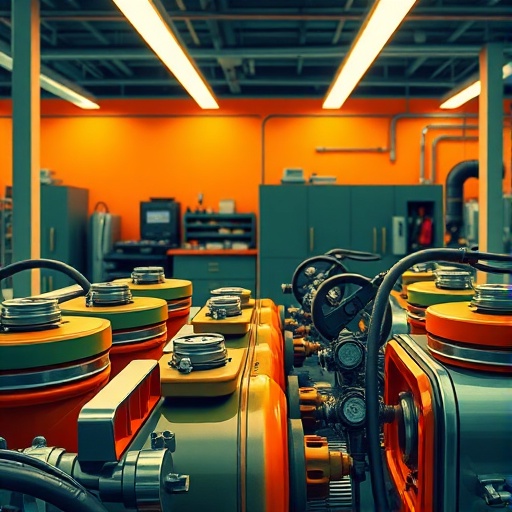
Fuel Treatment in Cars: Enhancing Gasoline Efficiency
Cars rely on gasoline engines that thrive with targeted fuel treatment to enhance efficiency and longevity. Regular use of fuel additives cleans the entire fuel system, from the tank to the engine, removing varnish and gum that accumulate from low-quality gasoline. This process restores fuel economy lost to dirty injectors, allowing sedans and SUVs to achieve better miles per gallon on highways and in stop-and-go traffic. For example, a family car filling up at the gas station benefits from treatments that stabilize fuel against oxidation, preventing degradation during storage. Fuel treatment products formulated for gasoline vehicles also boost cetane or octane ratings, improving combustion for smoother power delivery. In high-mileage cars, these treatments reduce knocking and pinging, protecting pistons from premature wear. Drivers experience fewer carbon buildups on intake valves, which is vital for direct-injection engines prone to deposits. By incorporating fuel efficiency treatments, car owners cut fuel costs and emissions, making their vehicles greener and more economical. Maintenance schedules extend as a result, with less frequent throttle body cleanings needed. Ultimately, fuel treatment turns ordinary cars into efficient machines, ready for long commutes or road trips without the drag of inefficient fuel delivery.
Motorcycles and Fuel Treatment: Boosting Performance
Motorcycles demand precise fuel treatment to boost performance in their lightweight, high-performance engines. Unlike cars, bikes have smaller fuel tanks, so contaminants affect them faster, leading to lean mixtures or power dips during aggressive riding. Fuel treatments counteract this by dissolving residues in carburetors or fuel injectors, ensuring crisp throttle response and full torque across RPM ranges. Riders on sportbikes or cruisers notice enhanced acceleration after adding these treatments at the gas station, as clean fuel promotes better atomization and combustion. For adventure motorcycles tackling off-road dust, fuel additives prevent water separation in gasoline, maintaining reliability in remote areas. These treatments also lubricate the fuel system, reducing wear on delicate components like needle valves. In two-stroke engines, specific fuel treatment options minimize carbon fouling on exhaust ports, preserving that signature powerband. Fuel economy improves subtly, allowing longer rides between fill-ups without sacrificing the thrill. Environmental perks include lower smoke and odors, appealing to eco-conscious riders. By prioritizing fuel treatments, motorcycle owners avoid common issues like hard starting or surging, keeping their bikes responsive and fun. This simple step elevates the riding experience, from daily commutes to weekend escapes.
Comparative Analysis: Diesel vs. Gasoline Fuel Treatments
Diesel and gasoline fuel treatments differ in formulation but share goals of optimizing engine performance and fuel economy. Diesel treatments focus on cetane boosters and lubricity enhancers, crucial for high-pressure common-rail injectors in trucks and cars, where poor diesel can cause pump failures. They also aid DPF systems by reducing soot, ensuring passive regeneration without added heat cycles. Gasoline treatments, conversely, emphasize detergents to combat port fuel injection deposits, stabilizing ethanol blends that attract moisture in the tank. Both improve fuel efficiency, but diesel options often include anti-gel agents for cold weather, preventing wax crystallization that clogs filters. In cars, gasoline treatments shine in preventing vapor lock during hot summers, while diesel variants excel in long-haul efficiency for SUVs. Motorcycles using diesel are rare, but gasoline bikes benefit from universal treatments that clean across fuel types. Cost-wise, diesel treatments may run higher due to specialized chemicals, yet they yield bigger savings in heavy-duty applications. Gasoline treatments offer broader availability at gas stations, with quicker results in spark-ignition engines. Comparing the two reveals diesel's emphasis on lubrication versus gasoline's on cleaning—both vital for vehicle longevity. Owners should match treatments to their engine type for maximum benefits, avoiding mismatches that could harm components like seals or catalysts.
Components of Fuel Treatment Solutions
Exploring Fuel Treatment Additives and Their Functions
Fuel treatment additives form the backbone of effective solutions, each designed to tackle specific issues in the fuel system. Detergent additives, common in gasoline treatments, scrub away deposits from injectors and intake valves, restoring spray patterns for optimal combustion. Corrosion inhibitors protect metal surfaces in the fuel tank and lines from rust, especially in vehicles parked long-term. Stabilizers prevent fuel breakdown, keeping gasoline fresh in motorcycles during off-season storage. For diesel, biocides combat microbial growth in the tank, averting filter clogs from algae. Anti-foam agents ensure smooth filling at the gas station, reducing spills and air pockets that disrupt flow. Octane boosters in gasoline treatments enhance resistance to detonation, delivering more power without engine stress. Lubricity additives, vital for low-sulfur diesel, coat pumps and injectors to minimize wear. Multifunctional blends combine these for comprehensive care, improving fuel economy across cars and bikes. Users select additives based on fuel type—diesel needs cetane improvers for ignition timing, while gasoline prioritizes evaporation control. These chemicals work synergistically, extending engine life and cutting emissions. By understanding their functions, vehicle owners integrate the right fuel treatment additives into routines, maximizing performance and efficiency without guesswork.
The Importance of Fuel Injectors and Their Maintenance
Fuel injectors demand meticulous maintenance through targeted fuel treatments to sustain precise fuel delivery in modern engines. These components atomize gasoline or diesel into fine mists for efficient burning; clogs from dirt or varnish distort this, causing lean conditions and power loss in cars and motorcycles. Regular fuel treatment cleans injectors by dissolving carbon buildup, restoring flow rates and spray angles for better fuel economy. In high-performance motorcycles, clean injectors prevent hesitation during quick shifts, ensuring seamless power. Diesel injectors, operating at extreme pressures, benefit from lubricity-focused treatments that prevent scoring on nozzles. Maintenance involves adding injector-specific cleaners every 3,000 miles, flushed through the system to reach all crevices. Neglected injectors lead to misfires, increased emissions, and DPF overload in diesels. Ultrasonic cleaning at shops complements DIY treatments, but additives offer convenient prevention. For cars with GDI systems, treatments mitigate piston deposits that raise oil consumption. Motorcycle riders avoid rejetting carbs by keeping injectors pristine. Overall, investing in fuel injector maintenance via treatments saves on replacements—costing hundreds—and keeps vehicles responsive. Proactive care ensures engines run clean, efficient, and powerful, mile after mile.
Lubricants and Motor Oil: Their Role in Fuel Efficiency
Lubricants and motor oil contribute significantly to fuel efficiency when paired with fuel treatments, reducing internal engine friction for smoother operation. High-quality motor oil coats bearings and pistons, minimizing drag that saps power from the crankshaft. Fuel treatments enhance this by ensuring clean combustion chambers, preventing oil contamination from blow-by gases. In cars, synthetic oils with viscosity modifiers maintain flow in variable conditions, boosting fuel economy by 2-3%. Motorcycles, with shared oil for engine and transmission, rely on treatments to keep fuel dilution low, preserving lubricant integrity. Diesel engines use heavier oils to handle soot; fuel treatments reduce particulates entering the oil, extending change intervals. Additives in motor oil, like friction modifiers, work alongside fuel system cleaners to optimize the entire powertrain. Poor lubrication increases heat and wear, indirectly harming fuel economy through inefficient combustion. Choosing oils meeting API standards ensures compatibility with fuel treatments, avoiding sludge in the tank or sump. For vehicles at the gas station, fresh oil after treatment amplifies gains in mileage and performance. Riders and drivers notice quieter engines and better throttle feel. Integrating lubricants thoughtfully with fuel care creates a holistic approach to efficiency, prolonging vehicle life while cutting operational costs.
Practical Applications of Fuel Treatment

How to Choose the Right Fuel Treatment Product
Selecting the right fuel treatment product requires assessing vehicle needs, fuel type, and performance goals to ensure compatibility and results. Start by identifying if your car or motorcycle runs on gasoline or diesel—gasoline products focus on detergents for injectors, while diesel options include cetane boosters and DPF aids. Check labels for EPA registration, guaranteeing efficacy without harming catalytic converters. For high-mileage vehicles, choose concentrated cleaners that tackle heavy deposits in the fuel tank. Motorcycle owners prioritize compact, easy-to-dose treatments for small tanks, avoiding over-treatment that could foul spark plugs. Read reviews for real-world fuel economy improvements, and match viscosity to your engine's demands. Universal treatments work for mixed fleets, but specialized ones excel: anti-gel for winter diesel cars, stabilizer for stored bikes. Consider environmental impact—biodegradable additives suit eco-friendly users. Price per treatment matters; bulk buys at gas stations offer value. Test small batches first to monitor changes in idle or acceleration. By aligning products with specific issues like poor gasoline quality, owners unlock benefits like enhanced engine cleanliness and reduced emissions. Thoughtful selection turns fuel treatment into a tailored strategy, optimizing every drop in the tank.
Fuel Treatment Services: What to Expect at a Gas Station
Fuel treatment services at gas stations provide convenient, professional care for vehicles, blending additives directly into the tank for immediate system-wide benefits. Technicians assess your car or motorcycle's fuel type and mileage, recommending tailored products to clean injectors and stabilize gasoline or diesel. Expect a quick process: they connect a dispenser to the filler neck, adding measured doses that mix during your next drive. Many stations offer diagnostic scans to check for error codes related to fuel system issues, like DPF warnings in diesels. For motorcycles, services adapt to smaller tanks, ensuring precise application without waste. Costs range from $20-50, often bundled with oil changes using compatible motor oil. Post-treatment, drive 50-100 miles to circulate the solution, dissolving deposits in lines and engine components. Stations may provide before-and-after fuel economy tips, tracking improvements via odometer readings. These services shine for busy owners, eliminating DIY mess while accessing high-quality fuel treatment chemicals. Environmentally, they promote cleaner burns, reducing tailpipe pollutants. Regular visits—every 3,000 miles—maintain peak performance, preventing breakdowns. Gas station fuel treatments bridge convenience and expertise, keeping vehicles efficient and reliable on the road.
DIY Fuel Treatment: Tips for Car and Motorcycle Owners
DIY fuel treatment empowers car and motorcycle owners to maintain their vehicles affordably, using over-the-counter products for hands-on care. Begin by purchasing reputable additives from auto stores, matching them to your engine—gasoline cleaners for cars, lubricity enhancers for diesel bikes. Pour the recommended dose into a nearly full tank at the gas station to dilute evenly, then drive normally to distribute through the fuel system. For cars, treat every tankful during the first month to shock-clean injectors, then monthly for maintenance. Motorcycles benefit from half-doses in small tanks, added before long rides to boost performance. Monitor oil levels post-treatment, as cleaner combustion reduces dilution. Avoid mixing brands to prevent chemical reactions harming seals. Tools needed are minimal: a funnel for precise pouring and gloves for safety. Track fuel economy with apps, noting gains from cleared fuel lines. For stored vehicles, use stabilizer treatments to prevent tank corrosion. Common pitfalls include overdosing, which can foam excessively—always follow instructions. DIY approaches save money over services, fostering owner involvement in engine health. With practice, these tips yield smoother operation, better mileage, and extended component life across your fleet.
Future Trends in Fuel Treatment

Innovations in Fuel Treatment Chemicals
Innovations in fuel treatment chemicals promise smarter, more effective solutions for vehicles, incorporating nanotechnology to penetrate deep into fuel systems. Nano-detergents break down deposits at the molecular level, outperforming traditional additives in cleaning injectors and valves for superior fuel economy. Bio-based chemicals, derived from renewable sources, replace petroleum synthetics, reducing environmental footprints while maintaining efficacy in gasoline and diesel. Smart additives with sensors detect contaminants in real-time, adjusting properties to optimize combustion in cars and motorcycles. For DPF-equipped diesels, regenerative formulas trigger self-cleaning cycles without extra fuel burn. Electric-hybrid transitions spur hybrid treatments that condition batteries alongside fuel systems. Research advances enzyme treatments that digest sludge biologically, ideal for long-stored tanks. Compatibility with synthetic fuels drives multi-fuel additives, ensuring versatility across vehicle types. These chemicals enhance lubricant integration, minimizing motor oil contamination for holistic efficiency. Industry leaders test AI-formulated blends, predicting wear based on driving patterns. As adoption grows, expect widespread availability at gas stations, lowering costs and emissions. These innovations redefine fuel treatment, making engines cleaner, greener, and more powerful for tomorrow's roads.
The Impact of Environmentally Friendly Fuels on Treatment Options
Environmentally friendly fuels like biofuels and e-fuels reshape fuel treatment options, demanding additives that preserve their low-carbon benefits without compromising performance. Ethanol-heavy gasoline requires enhanced stabilizers to combat corrosion in fuel tanks, as water absorption accelerates in cars and motorcycles. Biodiesel treatments focus on oxidation inhibitors, preventing gel formation in cold climates while supporting DPF longevity in diesels. Hydrogen blends necessitate non-reactive chemicals to avoid embrittling injectors. These fuels boost fuel economy inherently, but treatments amplify gains by ensuring clean delivery to engines. Green additives, free of heavy metals, align with sustainability goals, reducing overall vehicle emissions. For motorcycles, compact systems adapt quickly to bio-fuels with minimal treatment tweaks. Challenges include higher costs for compatible products, but innovations lower barriers. Gas stations increasingly stock eco-treatments, educating users on pairings. Motor oil formulations evolve too, resisting biofuel dilution for sustained lubrication. As regulations push greener fuels, treatment options diversify—offering biodegradable detergents and carbon-neutral stabilizers. This shift benefits owners with cleaner-running vehicles, lower environmental impact, and preserved warranties. Embracing these changes positions fuel treatment as a key enabler of sustainable mobility.
Challenges and Opportunities in Fuel System Treatments
Fuel system treatments face challenges like varying global fuel quality, which complicates universal additive design for cars and motorcycles worldwide. Inconsistent gasoline at remote gas stations breeds deposits, straining treatments to perform under duress. Diesel's sulfur variations challenge DPF compatibility, risking filter failures without precise chemicals. Regulatory hurdles demand low-volatility formulas to curb VOC emissions, limiting potent cleaners. Opportunities abound in digital integration—apps guide treatment timing based on mileage and fuel type, personalizing care for optimal fuel economy. Electric vehicles open markets for hybrid treatments conditioning residual fuel systems. Supply chain innovations enable affordable, on-demand additives via 3D-printed pods. For motorcycles, lightweight nano-treatments minimize added weight. Collaborations between automakers and chemical firms yield OEM-approved products, building trust. Economic pressures drive cost-effective bulk options, accessible at stations. Overcoming microbial resistance in biofuels spawns advanced biocides, enhancing safety. These dynamics create a vibrant field, where challenges spur breakthroughs in efficiency and durability. Vehicle owners gain from resilient treatments that adapt to modern demands, ensuring reliable performance amid evolving fuels and engines. The future holds balanced, innovative solutions that elevate fuel system care across the board.
See Also
- Fuel Treatments Explained How They Boost Your Engine Performance
- Fuel Economy Secrets How Proper Treatment Can Save You Money
- The Impact of Fuel Treatments on DPF Health and Vehicle Performance
- The Ultimate Guide to Fuel Additives for Every Vehicle Owner
- Navigating the World of Fuel Treatment Chemicals What You Need to Know