Mastering the Art of Cement Plant Lubrication for Optimal Performance
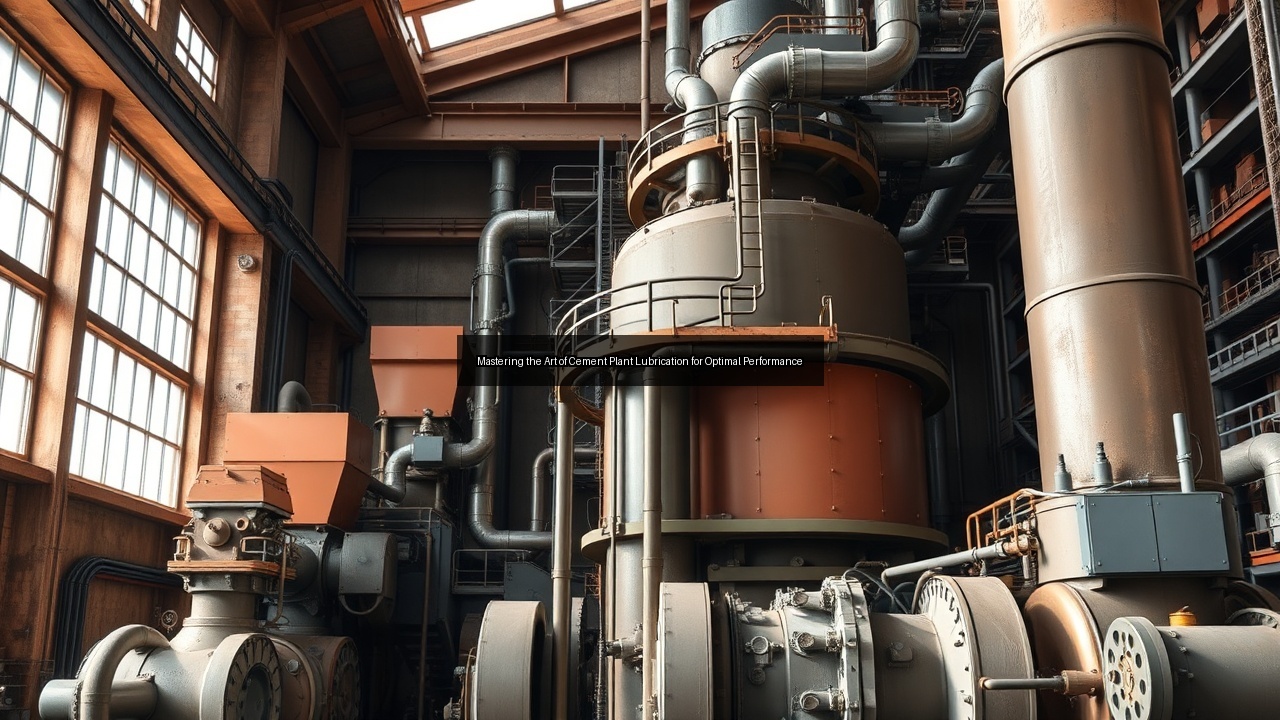
Understanding Cement Plant Lubrication
Importance of Lubrication in Cement Plants
Cement plants operate under relentless conditions, where heavy machinery grinds raw materials like limestone and alumina into fine powder before firing them in massive kilns. Lubrication stands as the unsung hero in this process, preventing friction that could halt production lines and skyrocket repair costs. Without proper cement plant lubrication, gears seize, bearings overheat, and components wear out prematurely, leading to unplanned downtime that disrupts the entire cement manufacturing workflow. Operators know that effective lubrication reduces energy consumption by minimizing drag in moving parts, such as ball mills and conveyors, which directly boosts operational efficiency in the cement industry.
Consider the sheer scale: a single cement plant might process thousands of tons of material daily, with crushers and kilns running non-stop. Lubricants form a protective film that shields metal surfaces from abrasive dust and extreme pressures, extending equipment life and ensuring consistent output. In fact, studies from industry leaders show that optimized lubrication strategies can cut maintenance expenses by up to 30% while enhancing safety by lowering the risk of catastrophic failures. For cement plant maintenance teams, prioritizing lubrication means more than just oil changes—it's about sustaining peak performance amid harsh environments filled with silica and thermal stresses. By integrating lubrication into daily routines, plants achieve smoother operations, from raw material handling to final product dispatch, ultimately driving profitability in a competitive market.
Beyond mechanical benefits, lubrication influences environmental compliance. Modern lubricants formulated for cement applications often include additives that resist breakdown from contaminants, reducing the need for frequent replacements and minimizing waste. Teams that master cement plant lubrication report fewer incidents of overheating in hydraulic systems, which power presses and lifts throughout the facility. This proactive approach not only safeguards assets but also aligns with sustainability goals by optimizing resource use. In essence, lubrication transforms potential vulnerabilities into strengths, allowing cement plants to thrive under demanding conditions.
Types of Lubricants Used in the Cement Industry
The cement industry demands versatile lubricants tailored to withstand dust, high temperatures, and heavy loads in environments like kilns and ball mills. Gear oils top the list, providing robust protection for gearboxes where torque transmission occurs under intense pressure. These synthetic or mineral-based fluids contain extreme pressure additives that prevent metal-to-metal contact, ensuring smooth rotation in gears and pinions. Hydraulic oils follow closely, essential for powering cylinders in crushers and conveyors, where they must maintain viscosity despite contamination from cement particles.
Greases play a critical role in high-friction zones, such as bearings and open gears, offering long-lasting adhesion that resists washout from spray water or thermal expansion. High-temperature greases, infused with lithium or calcium complexes, excel in kiln support rollers, where temperatures soar above 200°C. For specialized applications, like the barrel interiors of rotary kilns, dry film lubricants or graphite-based compounds reduce wear without attracting dust. Fluid lubricants, including multi-grade oils, adapt to varying speeds in fans and pumps, while biodegradable options gain traction for eco-conscious cement plants aiming to lower their environmental footprint.
Selecting the right lubricant hinges on OEM specifications and operational data. In the cement sector, polyalphaolefin (PAO) synthetics shine for their thermal stability, outperforming conventional oils in prolonged service intervals. Monitoring lubricant condition through oil analysis reveals degradation early, allowing swaps to more resilient types like those with anti-wear zinc additives. Cement plant lubrication experts emphasize compatibility—mixing incompatible greases can form sludge, accelerating failure. By stocking a range of lubricants from reputable suppliers, maintenance crews ensure every component, from lube points on conveyors to the heart of the kiln, receives targeted protection. This diversity not only enhances reliability but also streamlines inventory management, keeping production humming without interruptions.
Key Components Requiring Lubrication
Lubricating Gearboxes and Gears
Gearboxes in cement plants endure punishing cycles, driving everything from raw mills to finish grinders with immense torque. Proper lubrication starts with selecting gear oils that form a tenacious film, shielding helical and spur gears from scoring under loads exceeding 100 tons. Operators apply these lubricants via splash, forced, or circulating systems, ensuring even distribution to prevent dry spots that lead to pitting. In open gear setups common to large ball mills, semi-fluid greases with tackifiers cling to teeth, resisting flung-off from high-speed operations.
Regular monitoring detects issues like foaming or oxidation, which compromise lubrication efficacy. For instance, in clinker coolers, gearboxes face abrasive grit; here, synthetic gear lubricants with molybdenum disulfide additives provide superior boundary protection. Cement plant teams often integrate automatic lube systems to deliver precise volumes, reducing human error and over-lubrication that attracts contaminants. This approach extends gear life by 50% or more, as evidenced by case studies from major producers. Beyond oils, grease-packed gearboxes in auxiliary drives benefit from periodic purging to flush out degraded compounds, maintaining peak efficiency.
Training staff on viscosity grades—ISO 320 for moderate speeds, up to 680 for slow, heavy-duty gears—ensures optimal performance. In the cement industry, where downtime costs thousands per hour, mastering gearbox lubrication means proactive filtration to remove water and particles, preserving the fluid's integrity. Ultimately, well-lubricated gears translate to quieter operations, lower vibration, and sustained throughput, fortifying the plant's core mechanical backbone.
Maintaining Bearings and Ball Mills
Bearings in cement plants, especially those supporting massive ball mills, bear the brunt of grinding clinker and raw meal, rotating under tons of abrasive load. Lubrication here demands precision: rolling element bearings thrive on light greases or low-viscosity oils that minimize startup torque while preventing brinelling. Ball mills, with their rotating barrels filled with steel media, require copious amounts of gear lubricants circulated through trunnion bearings to dissipate heat from friction.
Maintenance routines involve greasing intervals based on runtime—every 8 hours for high-load setups—to replenish the film that cushions rollers and races. Contamination poses a constant threat; sealed bearings with integral lubrication extend intervals, but open designs in ball mills necessitate frequent inspections for cement dust ingress. Hydraulic oils lubricate thrust bearings in kiln drives, maintaining alignment under thermal expansion. Industry benchmarks show that adopting vibration analysis alongside lubrication checks can predict failures, averting costly rebuilds.
For ball mill liners and shells, specialized sprays apply thin lubricant layers to reduce metal fatigue. Cement plant lubrication protocols emphasize temperature monitoring; bearings exceeding 80°C signal inadequate greasing, prompting immediate action. By using polyurea greases for their water resistance, teams combat moisture from cooling processes. This holistic maintenance not only prolongs bearing life but also optimizes energy use in grinding circuits, a major cost driver in cement production. Reliable lubrication keeps ball mills churning efficiently, ensuring consistent particle size for quality cement output.
Lubrication for Crushers and Conveyors
Crushers in cement plants pulverize hard rocks like limestone, generating vibrations that demand resilient lubrication to protect jaw and gyratory mechanisms. Heavy-duty gear oils flood these units, with EP additives fortifying against shock loads that could strip films. Conveyors, snaking through the facility to transport aggregates, rely on grease for idler bearings and chain lubricants for drives, preventing elongation and misalignment under constant tension.
In jaw crushers, centralized lube systems deliver oil to pivot points and eccentric shafts, reducing wear from silica-rich feeds. Belt conveyors benefit from dry lubricants on pulleys to curb slippage, while screw types use fluid greases to seal against powder leakage. Environmental factors like alumina dust require filters in lube circuits to maintain cleanliness. Operators schedule purges every shift for high-wear crushers, swapping to fresh hydraulic oils that resist emulsification from quench sprays.
Case studies highlight how automated lubrication cuts manual interventions by 70%, minimizing exposure to hazards in dusty zones. For long overland conveyors, synthetic lubricants extend service by withstanding UV and thermal cycles. In the cement industry, integrating condition-based lubrication—via sensors tracking oil levels—enhances uptime for these vital links in material flow. Proper care ensures crushers deliver uniform feed to downstream processes, while lubricated conveyors move bulk efficiently, underpinning seamless plant operations.
Strategies for Effective Lubrication Management
Preventive Maintenance Practices
Preventive maintenance in cement plant lubrication revolves around scheduled interventions that forestall breakdowns, keeping kilns and mills operational without surprise halts. Teams conduct daily visual checks on lube levels in gearboxes and bearings, followed by weekly greasing of accessible points like conveyor rollers. Oil sampling every 500 hours analyzes for wear metals and viscosity changes, guiding timely fluid renewals before degradation sets in.
For ball mills and crushers, protocols include flushing systems quarterly to eliminate sludge buildup from cement contaminants. Training ensures technicians apply the right grease NLGI grade—2 for most bearings—to avoid overpacking that induces heat. Integrating thermal imaging spots overheating lube points, prompting adjustments in delivery rates. In kilns, preventive lubing of support rollers with high-temp compounds prevents scoring from axial thrusts.
This systematic approach yields measurable gains: reduced vibration signatures indicate healthier components, and extended MTBF for lubricated parts slashes repair frequency. Cement plant maintenance logs track adherence, with audits refining schedules based on runtime data. By embedding lubrication in PM calendars, facilities achieve compliance with ISO standards, fostering a culture of reliability that permeates every shift. Ultimately, these practices transform reactive firefighting into proactive assurance, optimizing the plant's lifecycle costs.
Inventory Management of Lubricants and Spare Parts
Inventory management for lubricants and spare parts in cement plants demands meticulous tracking to avoid stockouts that idle critical equipment like gearboxes or bearings. Centralized storage with labeled bins for gear oils, greases, and hydraulic fluids ensures quick access, while FIFO rotation prevents expiration of time-sensitive synthetics. Digital ledgers log usage patterns—high-volume ball mill lube versus sporadic kiln sprays—enabling just-in-time ordering from vetted suppliers.
Spare parts, including filters and seals for lube systems, pair with lubricants in kits tailored to specific machinery, reducing search times during outages. ABC analysis prioritizes high-impact items like gear lubricants for crushers, allocating 80% of monitoring efforts to 20% of stock value. Seasonal forecasts account for peak production, buffering against supply chain disruptions in the cement industry.
Audits every quarter reconcile physical counts with records, identifying pilferage or overstock of greases that degrade in humid conditions. RFID tagging on barrels streamlines replenishment, integrating with procurement software for auto-reorders. This efficiency cuts carrying costs by 25%, freeing capital for upgrades. For cement plant lubrication, robust inventory practices guarantee seamless maintenance, ensuring no delay in applying fresh oil or grease when needed most.
Utilizing CMMS for Lubrication Tracking
Computerized Maintenance Management Systems (CMMS) revolutionize lubrication tracking in cement plants by digitizing schedules and alerts for every lube point across kilns, conveyors, and mills. Software modules assign tasks—like greasing bearings weekly—with mobile apps allowing technicians to log completions via barcode scans on lube stations. Real-time dashboards flag overdue inspections, preventing lapses that could escalate to gearbox failures.
Integration with sensors monitors oil levels in hydraulic systems, triggering work orders for low thresholds in crushers. Historical data analyzes trends, such as increased contamination in ball mill lubricants, informing adjustments to filtration protocols. CMMS generates reports on lubricant consumption, optimizing inventory for gear oils and greases without excess.
For multi-site cement operations, cloud-based CMMS centralizes data, standardizing practices across plants. Training modules within the system upskill staff on applying CMMS for predictive tasks, like vibration-linked lube intervals. Benefits include 40% faster response times and fewer errors in documentation. By harnessing CMMS, cement plant lubrication evolves from manual logs to intelligent oversight, boosting overall equipment effectiveness and reliability in demanding environments.
Challenges in Cement Plant Lubrication
Dealing with Contamination Issues
Contamination plagues cement plant lubrication, as fine cement dust and moisture infiltrate oils and greases, accelerating degradation in bearings and gears. Airborne particles from grinding alumina and clinker embed in lubricant films, acting like sandpaper on metal surfaces. Water ingress from cooling sprays dilutes hydraulic oils, fostering microbial growth that clogs filters in conveyor systems.
Mitigation begins with sealed designs: breathers on gearboxes trap contaminants, while desiccant filters in lube reservoirs absorb humidity. Regular sampling detects silicon spikes from dust, prompting purges and swaps to fortified fluids with dispersants. For ball mills, positive pressure purging expels intruders before they harm trunnion bearings. Training emphasizes clean handling—using dedicated pumps for each lubricant type—to avoid cross-contamination between greases and oils.
In kilns, thermal cycling exacerbates issues, volatilizing volatiles that leave varnish residues. Electrostatic precipitators on lube lines capture fines, extending fluid life. Industry protocols advocate color-coding tools to prevent mix-ups, while audits verify storage integrity against plant vibrations. Overcoming contamination slashes unplanned stops by half, as clean lubrication preserves viscosity and additives. Cement plant teams that conquer these hurdles maintain fluid integrity, ensuring robust performance amid pervasive hazards.
Thermal and Environmental Factors in Lubrication
Thermal extremes in cement plants challenge lubrication, with kilns radiating heat that thins oils in nearby gearboxes, while cold starts thicken greases in outdoor conveyors. Temperatures fluctuating from -10°C to 300°C demand multi-grade fluids that retain properties across ranges, preventing starvation in bearings during ramps. Environmental dust and chemicals, like sulfur from fuels, oxidize lubricants faster, forming acids that corrode components.
High-temp synthetics with PAO bases excel in kiln drives, resisting coking at roller contacts. Cooling coils in lube sumps stabilize temperatures for ball mill oils, averting breakdown. UV exposure on exposed gear sprays prompts antioxidants to combat polymerization. In humid zones, water-repellent greases shield against hydrolysis in crusher hydraulics.
Adaptive strategies include viscosity blending for seasonal shifts and enclosed systems to block pollutants. Monitoring via infrared thermography identifies hot spots, adjusting lube volumes accordingly. Cement industry benchmarks show thermal-stable lubricants cut failures by 35%. By addressing these factors, plants sustain lubrication efficacy, harmonizing mechanical demands with site-specific rigors for enduring reliability.
Enhancing Reliability Through Proper Lubrication
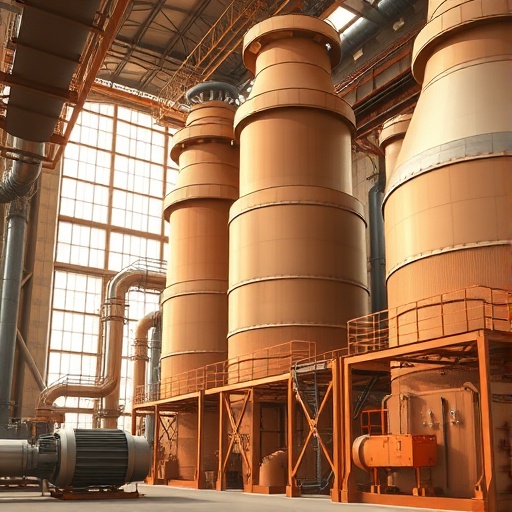
Choosing the Right Gear Oils and Greases
Selecting gear oils and greases tailored to cement plant demands elevates reliability, matching formulations to specific loads and speeds in gearboxes and open gears. For high-torque applications like ball mills, EP gear oils with sulfur-phosphorus additives fortify against boundary lubrication, while synthetics handle thermal spikes in kiln gears without evaporating. Greases, chosen by base—lithium for versatility, aluminum complex for water resistance—must penetrate tight clearances in bearings without channeling.
API GL-5 ratings guide oils for hypoid gears in conveyors, ensuring anti-scuffing under misalignment. NLGI 00 semi-fluid greases suit centralized systems, flowing to crushers without pump strain. Compatibility tests prevent reactions when topping off, as incompatible mixes form gels in hydraulic oils. Supplier data sheets inform choices, factoring in pour points for cold climates and flash points for hot zones.
Case studies reveal PAG-based oils outperforming minerals in dusty environments, reducing wear by 40%. Bulk purchasing economies pair with trials to validate performance. Cement plant lubrication pros weigh cost versus longevity—premium greases pay off through fewer changes. This discernment ensures lubricants not only protect but enhance component synergy, driving sustained plant uptime.
Implementing Regular Inspection Protocols
Regular inspection protocols fortify cement plant lubrication by catching anomalies early, from oil discoloration in gearboxes to grease purging in bearings. Daily rounds check sight glasses for levels, while bi-weekly dielectric tests on hydraulic oils reveal moisture content. Ultrasonic tools detect lubrication starvation in gears before audible noise emerges, guiding spot greasing.
Monthly endoscopy peers into reservoirs for sludge, and ferrography analyzes wear particles from ball mill samples. Protocols standardize checklists—temperature logs for kilns, pressure readings for lube pumps—ensuring comprehensive coverage. Training calibrates inspectors on anomalies, like emulsified fluids in crushers signaling contamination.
Digital protocols via CMMS archive findings, trending data to refine intervals. In conveyors, visual grease nipple checks prevent dry runs. These routines, adhered to rigorously, boost MTTR reductions and reliability metrics. Cement industry leaders integrate AI for predictive insights from inspections, preempting failures. By institutionalizing checks, plants weave lubrication vigilance into operations, securing mechanical health and production continuity.
See Also
- A Deep Dive into Bearing Lubrication in the Cement Industry
- Achieving Peak Performance with Effective Cement Plant Lubrication Practices
- The Essential Guide to Gear Lubricants in Cement Manufacturing
- Understanding the Role of Grease in Cement Plant Operations
- Innovative Lubrication Techniques for Crushers in Cement Production