A Deep Dive into the Injection Molding Process of Thermoset Materials
Understanding Thermoset Materials in Injection Molding
What Are Thermosets?
Thermoset materials stand out in the world of plastics due to their unique chemical structure and properties. Unlike thermoplastics, which can be melted and reshaped multiple times, thermosets undergo a chemical change during their curing process, resulting in a rigid, inflexible structure. This transformation is irreversible, meaning once a thermoset material hardens, it cannot be remelted or reshaped. Common thermoset polymers include epoxy, phenolic, and polyurethane, each offering distinct characteristics suited for various applications. Thermosets are particularly valued in industries requiring durable and heat-resistant components, making them ideal for automotive, aerospace, and electrical applications.
Characteristics of Thermoset Plastics
Thermoset plastics possess several key characteristics that set them apart from their thermoplastic counterparts. These materials exhibit excellent thermal stability, making them resistant to deformation under high temperatures. They also offer superior mechanical strength, ensuring they maintain their shape and integrity under stress. Chemical resistance is another significant advantage; thermosets can withstand harsh environments without degrading. Additionally, thermosetting materials often display low shrinkage during curing, resulting in precise dimensional accuracy in injection-molded parts. This makes them highly desirable for applications where precision is critical, such as in the electronics industry.
Comparison with Thermoplastics
Understanding the differences between thermosets and thermoplastics is essential for selecting the appropriate material for specific applications. While thermoplastics can be reheated and reshaped, thermosets are limited to a one-time molding process due to their irreversible curing reaction. Thermoplastics like acrylonitrile butadiene styrene (ABS) and polypropylene are easier to process and recycle, making them popular in consumer products. In contrast, thermosets excel in applications that require durability and resistance to heat and chemicals. When it comes to injection molding, choosing between these materials often depends on the desired properties of the final product and the specific requirements of the manufacturing process.
The Injection Molding Process for Thermosets
Overview of the Injection Molding Process
The injection molding process for thermosets involves several critical stages that ensure the final product meets design specifications and performance standards. Initially, raw thermoset materials in the form of granules or powders are loaded into the injection molding machine. The material then undergoes heating, where it reaches a specific temperature, initiating the curing process. Once sufficiently heated, the material is injected into a mold under high pressure, which shapes it into the desired form. The significant difference in molding thermosets compared to thermoplastics lies in the curing phase, where a chemical reaction occurs, solidifying the material. After the injection and curing, the molded component is ejected from the mold and undergoes any necessary finishing processes.
Key Equipment and Technology Involved
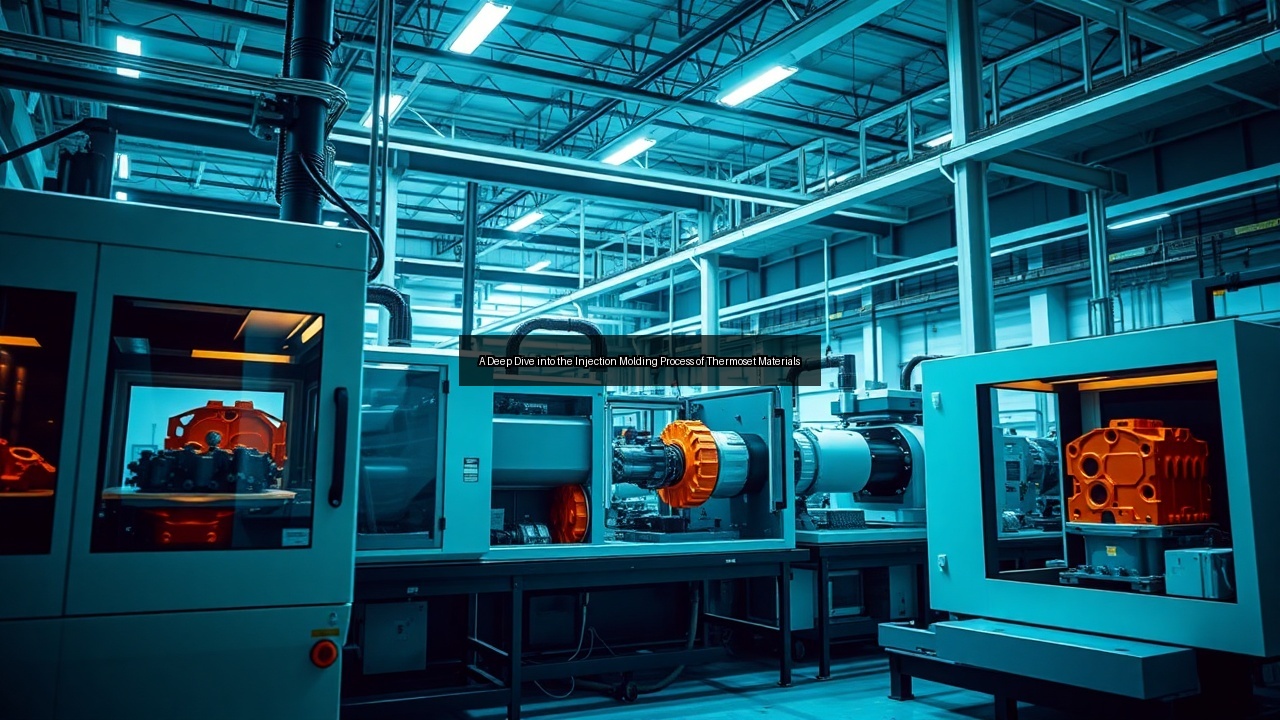
Injection molding thermosets requires specialized equipment tailored to handle the unique properties of these materials. Key components include the injection molding machine, which consists of a hopper, barrel, and injection unit. The hopper feeds the thermoset material into the barrel, where it is heated and mixed. A piston or screw mechanism then injects the molten material into the mold. The molds used for thermoset injection are often made from durable materials like steel or aluminum to withstand the high pressures and temperatures during the molding process. Advanced technologies, such as computer numerical control (CNC) machining, enhance the precision and quality of the molds, ensuring they meet the stringent standards often required in industries like aerospace and medical devices.
The Role of Chemical Reactions in Thermoset Molding
The chemical reactions that occur during the injection molding of thermosets are critical to their properties and performance. When thermoset materials are heated, they undergo a curing reaction, which typically involves cross-linking the polymer chains. This reaction transforms the viscous liquid into a solid structure, providing thermosets with their characteristic strength and rigidity. The control of temperature and pressure during this phase is essential; improper conditions can lead to incomplete curing or defects in the final product. This aspect of thermoset molding differentiates it from thermoplastic injection molding, where the material can be remelted. Manufacturers must carefully monitor these chemical processes to ensure optimal performance and reliability in the finished product.
Applications and Benefits of Thermoset Injection Molding
Industries Utilizing Thermoset Materials
Numerous industries leverage the unique properties of thermoset materials for their specific applications. The automotive sector frequently utilizes thermosets for components such as dashboards, electrical housings, and insulation materials due to their durability and heat resistance. The aerospace industry also benefits from thermosets, using them to manufacture lightweight yet strong parts that can withstand extreme conditions. Electrical and electronic applications often employ thermosets for insulators and circuit boards because of their excellent electrical properties and resistance to chemicals. Additionally, thermoset materials find uses in consumer goods, construction, and medical devices, showcasing their versatility across various sectors.
Advantages of Using Thermosets in Injection Molding
Thermoset injection molding offers several advantages that make it a preferred choice for many manufacturers. One primary benefit is the exceptional mechanical strength and thermal stability of thermoset materials, which allows for the production of components that can endure high temperatures and mechanical stress. Thermosets also exhibit excellent chemical resistance, reducing the risk of material degradation in harsh environments. The low shrinkage rates during curing result in high dimensional accuracy, which is crucial for applications requiring tight tolerances. Furthermore, thermosets can be formulated to achieve specific properties, such as flame retardance or improved electrical insulation, making them highly customizable for diverse applications.
Challenges and Considerations in Thermoset Processing
Despite their advantages, thermoset injection molding presents specific challenges that manufacturers must address. The irreversible nature of thermosets limits recycling options, raising concerns about environmental sustainability and waste management. Additionally, the curing process requires precise control of temperature and pressure, as any deviations can result in defects or compromised mechanical properties. The initial setup costs for molds and machinery can be higher compared to thermoplastics, which may deter some manufacturers. Understanding these challenges is crucial for optimizing the injection molding process and ensuring that the benefits of thermosets outweigh their drawbacks.
Future Trends in Thermoset Injection Molding
Innovations in Thermoset Materials
Innovation continues to drive the development of thermoset materials, enhancing their performance and expanding their applications. Researchers are exploring new formulations that improve the properties of traditional thermosets, such as increasing flexibility or reducing curing times. Bio-based thermosets are gaining attention as manufacturers seek sustainable alternatives that reduce reliance on fossil fuels. These advancements aim to maintain the desirable characteristics of thermosets while addressing environmental concerns, positioning them as a viable option for future applications.
Recyclability and Environmental Impact
As environmental concerns grow, the recyclability of thermoset materials becomes a pressing issue. While traditional thermosets are challenging to recycle due to their irreversible curing process, emerging technologies such as chemical recycling are being explored. This process aims to break down thermosets into their constituent monomers, allowing for the creation of new thermoset materials. By improving the recyclability of thermoset materials, manufacturers can reduce waste and enhance sustainability without sacrificing performance. The push for eco-friendly solutions in the plastics industry calls for innovative approaches to thermoset recycling.
Compliance with ISO 13485 Standards
Compliance with ISO 13485 standards is paramount for manufacturers involved in the production of thermoset materials, particularly in the medical device industry. This quality management system ensures that organizations consistently meet regulatory requirements and deliver safe, effective products. Achieving ISO 13485 certification involves implementing rigorous quality control processes, documentation practices, and risk management strategies. For companies engaged in thermoset injection molding, adherence to these standards enhances credibility and opens doors to new markets, ultimately driving business growth and innovation.
See Also
- From Concept to Creation Exploring the Injection Molding Process for Thermoset Plastics
- The Versatility of Injection Molded Thermosets in Consumer Goods
- Maximizing Efficiency in Injection Molding with Thermosets
- The Future of Recycling in Thermoset Injection Molding
- How to Choose the Right Thermoset Material for Your Injection Molding Project