Common Issues with Furnace Blower Housings and How to Fix Them
Understanding HVAC Blower Housings
Role of Blower Housings in HVAC Systems
The HVAC blower housing serves a crucial role in the heating, ventilation, and air conditioning systems. It acts as a protective enclosure for the blower fan and motor, ensuring efficient airflow through the system. Positioned strategically within the furnace or air conditioner, the blower housing directs air over the heat exchanger or cooling coils, enhancing the overall efficiency of the HVAC system. A well-functioning blower housing ensures that heated or cooled air circulates effectively throughout the home, providing comfort and maintaining indoor air quality.
Common Components of Blower Fans and Housings
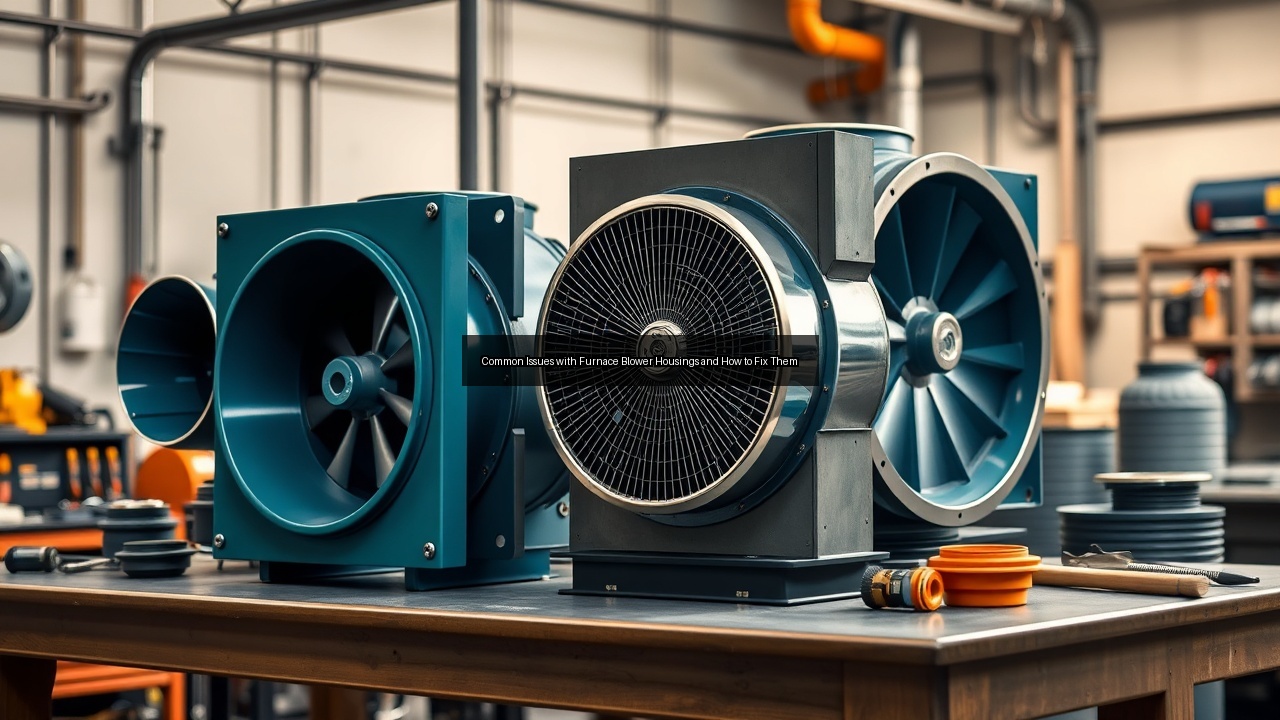
Understanding the components of blower fans and housings helps homeowners diagnose issues more effectively. Typical parts include the blower fan, which is responsible for moving air, the blower motor that powers the fan, and the blower housing itself, which encases these components. Many blower housings are designed with an internal cage that supports the fan and helps maintain a steady airflow. Additionally, components like ball bearings are critical for smooth fan operation. Any malfunction in these parts can lead to decreased efficiency and increased energy consumption.
Importance of OEM Parts for Replacement
When replacing parts in an HVAC system, using Original Equipment Manufacturer (OEM) parts is essential. OEM parts match the specifications and quality of the original components, ensuring optimal performance and longevity. Generic or aftermarket alternatives might save money initially but can lead to compatibility issues and shorter lifespans. For instance, an OEM furnace blower housing guarantees that it fits perfectly with the existing system, reducing the risk of air leaks and inefficiencies. Homeowners should prioritize OEM parts to maintain the integrity of their HVAC systems and avoid unnecessary repairs in the future.
Common Issues with Furnace Blower Housings
Signs of Wear and Tear in Blower Motors
Blower motors experience wear and tear over time, leading to several noticeable signs. One common symptom is unusual noise, such as grinding or rattling, which indicates that components may be loosening or failing. Additionally, if the motor struggles to start or frequently shuts off, it’s a clear sign of distress. Homeowners might also observe reduced airflow, indicating that the blower motor is not operating efficiently. Ignoring these signs can lead to complete motor failure and expensive repairs, making early detection crucial for maintaining the HVAC system's performance.
Impact of Clogged Air Filters on Blower Performance
Clogged air filters significantly impact blower performance. When air filters become dirty and obstructed, they restrict airflow, forcing the blower motor to work harder to circulate air. This increased strain can lead to overheating and premature failure of the blower. Homeowners might notice decreased heating or cooling efficiency, as well as an increase in energy bills due to the motor's elevated workload. Regularly checking and replacing air filters is a simple yet effective way to ensure optimal airflow and prolong the lifespan of the blower and the entire HVAC system.
Symptoms of a Failing Blower Fan
A failing blower fan manifests several distinctive symptoms. Homeowners may experience inconsistent airflow, where some rooms receive little to no air while others feel adequately conditioned. Additionally, a failing blower fan might produce strange noises, such as squeaking or buzzing, indicating that the fan blades or motor are malfunctioning. Vibration or wobbling can also signal a problem, possibly caused by damaged components or an unbalanced fan. Addressing these symptoms promptly can prevent further damage to the blower housing and the HVAC system, ensuring efficient operation and comfort.
Troubleshooting and Fixing Blower Housing Issues
Inspecting the Blower Housing Assembly
Inspecting the blower housing assembly is the first step in troubleshooting HVAC blower housing issues. Start by turning off the power to the HVAC system to ensure safety. Open the access panel to examine the blower housing for any visible signs of damage, such as cracks, rust, or loose fittings. Pay close attention to the blower fan and motor, ensuring they are securely mounted and free from obstructions. Inspect the ball bearings for wear and tear, as damaged bearings can lead to operational inefficiencies. A thorough inspection helps identify potential problems before they escalate into costly repairs.
Replacing Ball Bearings and Other Components
Replacing ball bearings and other components in the blower housing may be necessary to restore optimal performance. If the inspection reveals worn or damaged bearings, it is crucial to replace them promptly. First, remove the blower assembly from the housing, taking care to document the wiring and connections. Carefully replace the bearings, ensuring they fit correctly to avoid further issues. Additionally, consider replacing any damaged fan blades or securing loose screws and fittings. Performing these repairs not only enhances the blower's efficiency but also extends the life of the HVAC system.
How to Maintain Your HVAC Blower for Longevity
Proper maintenance of the HVAC blower is essential for longevity and efficiency. Regularly clean or replace air filters to prevent clogs that strain the blower motor. Schedule annual HVAC inspections to ensure all components, including the blower housing, are functioning correctly. Lubricate moving parts, such as ball bearings, to reduce friction and wear. Additionally, keep the area around the blower housing clear of debris to avoid airflow obstructions. Implementing these maintenance practices can significantly enhance the blower’s performance and extend its lifespan, reducing the need for costly repairs.
Warranties and Customer Feedback
Understanding Warranty Coverage for Blower Housings
Understanding warranty coverage for blower housings is vital for homeowners investing in HVAC systems. Most manufacturers offer warranties that cover defects in materials and workmanship for a specified period. These warranties often include coverage for blower motors and housings but can vary significantly between brands. Homeowners should carefully review warranty terms before making a purchase, ensuring they understand what is covered and for how long. Having a solid warranty in place provides peace of mind, knowing that replacement parts or repairs will be handled without incurring additional costs.
How Customer Feedback Influences HVAC Brand Choices
Customer feedback plays a pivotal role in influencing HVAC brand choices. Homeowners often rely on reviews and ratings to gauge the reliability and performance of various HVAC systems. Positive feedback about blower housings and motors can lead potential buyers to choose brands known for quality and durability. Conversely, negative reviews can deter consumers from purchasing specific models. By considering customer experiences, homeowners can make informed decisions that align with their needs and expectations, ultimately leading to greater satisfaction with their HVAC systems.
Tips for Choosing the Right Air Conditioner or Furnace
Selecting the right air conditioner or furnace involves several key considerations. First, assess the size of the HVAC system needed for your home. An improperly sized unit can lead to inefficiencies and discomfort. Research different brands and models, focusing on energy efficiency ratings and warranty coverage. Read customer feedback to understand performance and reliability. Additionally, consider the quality of the blower and blower housing, as these components significantly impact overall system efficiency. Consulting with HVAC professionals can also provide valuable insights, ensuring you make an informed choice that meets your heating and cooling needs.