Maximizing Efficiency with 5 Axis Laser Cutting Equipment
Understanding 5 Axis Laser Cutting Technology
Overview of 5 Axis Laser Cutting
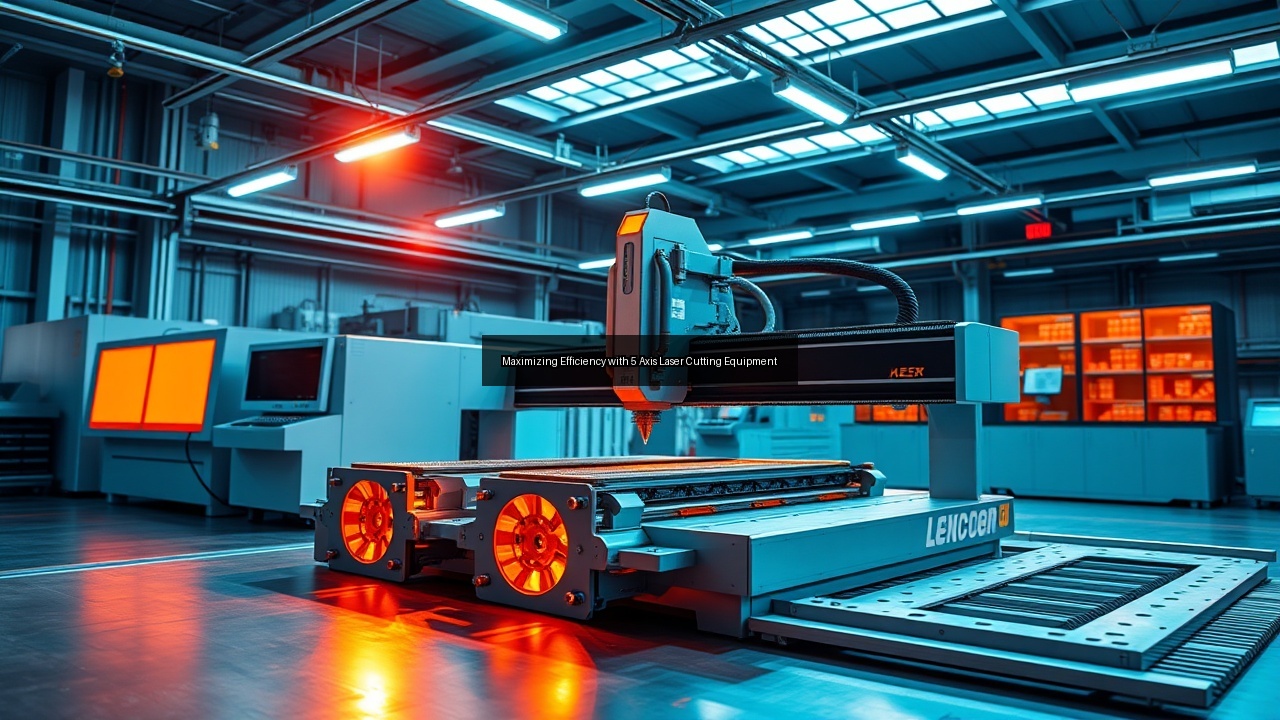
5 axis laser cutting represents a significant advancement in laser cutting technology, allowing for intricate designs and complex geometries that traditional 2D and 3D cutting cannot achieve. This technology operates on five different axes, enabling the laser cutter to approach the material from various angles. The result is precision cuts that can follow contours and curved surfaces, making it ideal for various applications in metal fabrication and engineering. The versatility of 5 axis laser cutting opens doors to creative possibilities, from intricate artwork to functional components in machinery. As industries demand more complex designs, 5 axis laser cutting becomes indispensable for meeting these evolving challenges.
Advantages of 5 Axis Laser Cutting Over Traditional Methods
5 axis laser cutting offers numerous advantages compared to traditional methods. First, it reduces the need for multiple setups, saving time and labor costs. Traditional cutting methods often require repositioning the material to achieve complex cuts, while a 5 axis laser cutter can complete the job in a single pass. This efficiency leads to enhanced productivity and lower operational costs. Additionally, the precision of 5 axis lasers minimizes waste material, further promoting cost-effectiveness in metal fabrication. The ability to create intricate designs without sacrificing accuracy makes this technology particularly valuable in engineering applications where precision is paramount.
Applications in Metal Fabrication and Engineering
The applications of 5 axis laser cutting in metal fabrication and engineering are vast and varied. Industries such as automotive, aerospace, and manufacturing rely on this technology for producing parts and components that require high precision and complexity. For instance, in the aerospace sector, 5 axis laser cutting facilitates the creation of lightweight yet robust parts that meet stringent safety and performance standards. Similarly, in the HVAC industry, precise cuts ensure that components fit together seamlessly, enhancing overall system efficiency. As engineering projects become increasingly complex, the role of 5 axis laser cutting will continue to expand, driving innovation in product design and manufacturing processes.
The Laser Cutting Process
How 5 Axis Laser Cut Works
The 5 axis laser cutting process involves a sophisticated interplay of technology and design. A laser beam, generated by a high-powered laser, is focused onto the material to create a narrow, intense cutting line. The 5 axes of movement allow the laser cutter to navigate along the X, Y, Z, A, and B axes. This multidimensional capability enables the machine to cut and engrave complex shapes from various angles. The process begins with computer-aided design (CAD) software, where engineers create precise models of the desired cut. The CAM software then translates these designs into commands that guide the laser cutter through its movements. The result is a clean, accurate cut that meets design specifications and tolerances.
Key Components of a 5 Axis Laser Cutter
Understanding the key components of a 5 axis laser cutter reveals how the technology operates effectively. At the core is the laser source, which can be a fiber, CO2, or solid-state laser, depending on the materials being cut. The optics system focuses the laser beam onto the workpiece, ensuring precision. Motion control systems manage the movement of the cutter along its axes, utilizing servos and linear guides to achieve high-speed cutting without sacrificing accuracy. Additionally, the cooling system prevents overheating during operation, maintaining optimal performance. Advanced sensors and feedback mechanisms also enhance the cutter's precision by automatically adjusting parameters based on real-time data. Together, these components create a robust system capable of handling the demands of modern fabrication and engineering projects.
Quality Control in Laser Cutting Services
Quality control plays a crucial role in laser cutting services, particularly when using 5 axis technology. Ensuring that the final product meets specifications involves several stages, including inspection before, during, and after the cutting process. Pre-cut inspections examine the materials for defects that could affect the final outcome. During the cutting process, real-time monitoring systems track parameters such as speed, power, and focus to maintain quality. Post-cut inspections involve measuring the dimensions and tolerances of the laser cut components, ensuring they align with design specifications. Implementing rigorous quality control measures not only boosts customer satisfaction but also minimizes rework and waste, enhancing overall efficiency in metal fabrication.
Maximizing Efficiency in Production
Integrating CNC Machining with 5 Axis Laser Cutting
Integrating CNC machining with 5 axis laser cutting maximizes production efficiency and streamlines workflows. CNC (Computer Numerical Control) machining involves using computers to control machine tools, ensuring precision in shaping materials. By combining CNC machining with 5 axis laser cutting, manufacturers can achieve a seamless production process that minimizes downtime. For example, while the laser cuts intricate designs, CNC machines can prepare other components simultaneously, reducing lead times significantly. This integration allows for complex assemblies to be produced in a single batch, enhancing throughput and reducing costs in metal fabrication. As industries strive for lean manufacturing practices, this synergy between CNC machining and laser cutting technologies becomes increasingly valuable.
Optimizing Software for Laser Cutting Equipment
Optimizing software for laser cutting equipment enhances operational efficiency and precision. Advanced software solutions allow users to design, simulate, and manage laser cutting processes effectively. By utilizing CAM software, operators can create optimized cutting paths that minimize material waste and reduce cutting time. These tools also facilitate nesting, a process that arranges parts on the material sheet in a way that maximizes usage. Moreover, software can adjust cutting parameters in real-time based on feedback from sensors, ensuring consistent quality. Regular updates and training on the latest software features empower operators to leverage the full potential of their laser cutting machines, driving productivity and innovation in manufacturing.
Impact on HVAC and Stamping Industries
The impact of 5 axis laser cutting technology on the HVAC and stamping industries is profound. In HVAC manufacturing, precise laser cuts ensure that ducts and fittings fit together seamlessly, enhancing system efficiency and reducing air leakage. This precision leads to better energy performance and lower operational costs for end-users. In the stamping industry, 5 axis laser cutting allows for the production of complex dies and molds that traditional methods struggle to create. The ability to cut intricate designs reduces the need for additional machining processes, saving time and resources. As these industries continue to evolve, the adoption of advanced laser cutting technologies will drive innovation and enhance manufacturing capabilities.
Choosing the Right Laser Cutting Service
Factors to Consider When Selecting Laser Cutting Services
Choosing the right laser cutting service involves several critical factors. First, assess the service provider’s experience and expertise in 5 axis laser cutting. A well-established company will have the necessary skills and knowledge to handle complex projects effectively. Next, evaluate the range of materials the service can process, as this affects the versatility of your projects. Additionally, consider the technology and equipment used by the service provider. Advanced machines with the latest features will yield superior results. Finally, review customer testimonials and case studies to gauge satisfaction levels and reliability. A thorough evaluation ensures you partner with a service that meets your specific needs and quality standards.
Comparing 5 Axis Laser Cutting Services
When comparing 5 axis laser cutting services, focus on several key aspects. Consider the turnaround time for projects, as swift delivery can significantly impact production schedules. Look into the pricing structure, ensuring that it aligns with your budget while still offering quality services. Additionally, assess the level of customer support provided, as responsive communication can enhance collaboration throughout the project. Review the company’s quality control processes to ensure they maintain high standards. Finally, ask for samples of previous work to evaluate the quality of their laser cuts. This comprehensive comparison helps select a service that not only meets your technical requirements but also aligns with your operational goals.
Future Trends in Laser Cutting Technology
The future of laser cutting technology looks promising, with several trends shaping its evolution. Advances in laser sources, such as fiber lasers, are becoming more efficient and capable of cutting through thicker materials, broadening the scope of applications. Automation and robotics integration will further enhance productivity, allowing for unattended operations and increased throughput. Moreover, the incorporation of artificial intelligence (AI) in laser cutting software will optimize cutting paths and parameters based on real-time data, driving efficiency and precision. As industries continue to demand higher quality and faster production times, these trends will redefine the landscape of laser cutting, ensuring its place as a cornerstone of modern manufacturing.