Rubber Mounts vs Steel Mounts Which is Best for Vibration Reduction
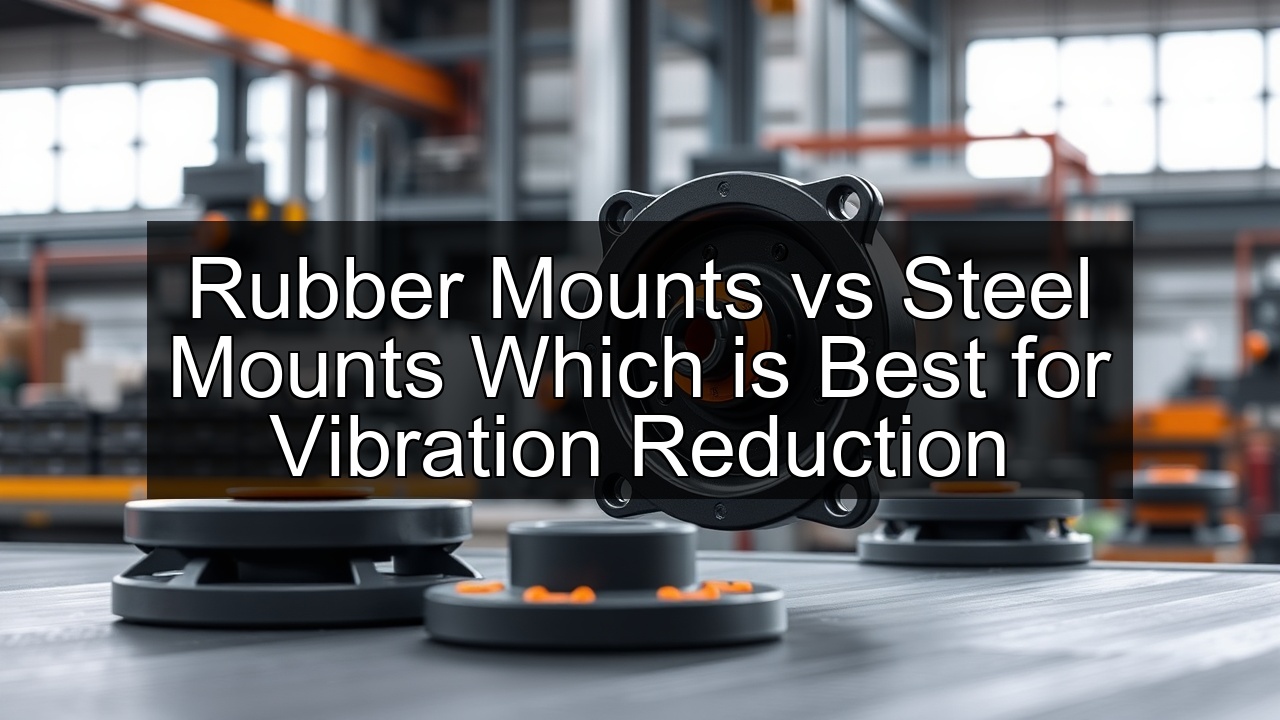
Understanding Vibration and Its Effects on Machinery
The Science Behind Vibration: Causes and Effects
Vibration stems from mechanical forces that cause parts to oscillate rapidly. Machines generate these oscillations through unbalanced loads, rotating components, or external impacts. In engines and generators, for instance, pistons and rotors create rhythmic shakes that travel through the structure. This vibration isolation becomes crucial because unchecked oscillations lead to fatigue in materials. Steel frames crack under prolonged stress, while rubber elements absorb the energy. Causes include misalignment in shafts or resonant frequencies matching operational speeds. Effects ripple outward: noise pollution from vibrating surfaces, accelerated wear on bearings, and even structural failures in extreme cases. Engineers measure vibration in hertz for frequency and amplitude for intensity. Low-frequency vibrations, below 10 Hz, often arise from large machinery like transformers, demanding specialized dampers. High-frequency ones, from tools or compressors, require precise vibration mounts to prevent amplification. Understanding these dynamics helps select anti vibration rubber mounts that convert kinetic energy into harmless heat, reducing transmission to surrounding environments. Without proper intervention, vibrations escalate, turning minor hums into destructive forces that compromise safety and efficiency in manufacturing settings.
How Vibration Affects Machinery Performance
Vibration degrades machinery performance by inducing uneven stress on components. Bearings suffer from pitting and spalling, shortening their lifespan dramatically. In construction equipment, constant shakes loosen bolts and misalign gears, leading to breakdowns during critical operations. Noise control suffers too, as vibrations amplify sounds that disrupt workers and violate regulations. Engines in vehicles or generators experience reduced fuel efficiency because energy dissipates through oscillations rather than productive work. Over time, this leads to higher maintenance costs and downtime in industrial plants. Vibration damping mounts play a key role here, isolating the machine from its base to minimize these impacts. For example, in HVAC systems, uncontrolled vibrations cause ducts to rattle, increasing energy loss and wear on fans. Precision instruments in manufacturing falter under even subtle shakes, skewing measurements and product quality. Operators face health risks from prolonged exposure to these forces, including hand-arm vibration syndrome. Effective vibration reduction strategies, like installing rubber vibration mounts, preserve alignment and extend operational life. Ignoring these effects invites cascading failures, from minor rattles to catastrophic collapses, underscoring the need for robust vibration isolators in every setup.
Importance of Vibration Isolation in Industrial Applications
Vibration isolation stands as a cornerstone in industrial applications, safeguarding equipment and enhancing productivity. Factories rely on it to prevent vibrations from one machine transferring to sensitive areas, like clean rooms or assembly lines. In marine environments, isolation protects hulls from engine tremors, ensuring structural integrity amid harsh seas. Anti vibration pads and mounts absorb shocks, allowing generators to run smoothly without disturbing nearby operations. This isolation cuts noise levels, fostering safer workplaces compliant with occupational standards. Economically, it slashes repair bills by averting premature wear on parts like compressors and pumps. Vibration control extends to transformers, where isolation prevents electrical faults from mechanical disturbances. In construction, heavy machinery benefits from rubber mounts that dampen ground-transmitted vibrations, reducing site disruptions. Without isolation, industries face amplified risks: product defects from shaky production lines, environmental complaints from excessive noise, and regulatory fines. Advanced vibration isolators, often made from neoprene rubber, offer tailored solutions for specific frequencies. Ultimately, prioritizing vibration isolation boosts reliability, minimizes energy waste, and supports sustainable manufacturing practices across sectors.
Types of Vibration Mounts: Rubber vs Steel
Introduction to Rubber Mounts: Benefits and Applications
Rubber mounts excel in vibration reduction due to their inherent flexibility and damping properties. These anti vibration rubber mounts compress under load, absorbing shocks and preventing transmission to bases or structures. Benefits include superior noise control, as rubber silences rattles from machinery like engines and compressors. Unlike rigid alternatives, they handle low-frequency vibrations effectively, ideal for generators in remote sites. Applications span automotive suspensions to industrial pipe hangers, where they isolate vibrations without adding excessive weight. Natural rubber variants offer resilience against oils, while neoprene rubber withstands weathering for outdoor use. In HVAC systems, rubber vibration mounts reduce duct noise, improving comfort in buildings. Their elastomeric nature converts vibrational energy to heat, dissipating it harmlessly. Cost-effectiveness makes them popular in manufacturing, where frequent replacements aren't feasible. Engineers appreciate customizable stiffness levels to match specific loads. Overall, rubber mounts provide versatile vibration isolation, enhancing machine longevity and operational quietness across diverse settings.
Exploring Steel Mounts: Advantages and Limitations
Steel mounts provide rigid support in vibration control scenarios, often featuring stainless steel for corrosion resistance. Advantages lie in their durability and high load-bearing capacity, suiting heavy-duty applications like construction machinery. They maintain precise alignment under extreme pressures, preventing shifts in large transformers or engines. Stainless steel variants endure marine environments, resisting rust from saltwater exposure. However, limitations emerge in pure vibration damping: steel transmits oscillations more readily than softer materials, amplifying noise and wear. Without added dampers, they falter against low-frequency vibrations, common in generators. Installation requires bolting, increasing complexity compared to flexible rubber options. In high-vibration zones like compressors, steel alone leads to fatigue cracks over time. While they offer stability for static loads, combining them with rubber bumpers enhances performance. Limitations include poor shock absorption, potentially causing secondary issues like loosened fittings. For vibration reduction, steel serves best as a structural backbone, but it demands hybrid designs to address damping shortcomings effectively.
Comparative Analysis of Rubber and Steel Mounts for Vibration Control
Rubber mounts outperform steel in vibration control for most dynamic applications, thanks to their elastomeric damping. Rubber absorbs up to 95% of vibrations, converting energy to heat, while steel reflects much of it, risking resonance. In noise control, rubber vibration mounts silence machinery hums far better than rigid steel alternatives. Steel shines in load support, handling tons without deformation, but rubber variants with reinforcements match this while isolating shocks. For frequency-sensitive setups, rubber excels at low hertz ranges, crucial for engines and HVAC systems. Steel mounts, often stainless steel, resist chemicals better in manufacturing, yet rubber like neoprene adapts via compounds. Cost-wise, rubber offers longevity through reduced maintenance, countering steel's initial sturdiness. Applications dictate choice: marine uses favor corrosion-resistant steel for frames, but pair it with rubber isolators. Vibration reduction metrics show rubber cutting transmission by 80% versus steel's 40%. Hybrid systems combine both for optimal results, balancing rigidity and flexibility. Ultimately, rubber leads for comprehensive vibration isolation, making anti vibration rubber mounts the go-to for efficiency and comfort.
Material Considerations in Vibration Damping
Natural Rubber vs Neoprene: Which is Better for Isolation?
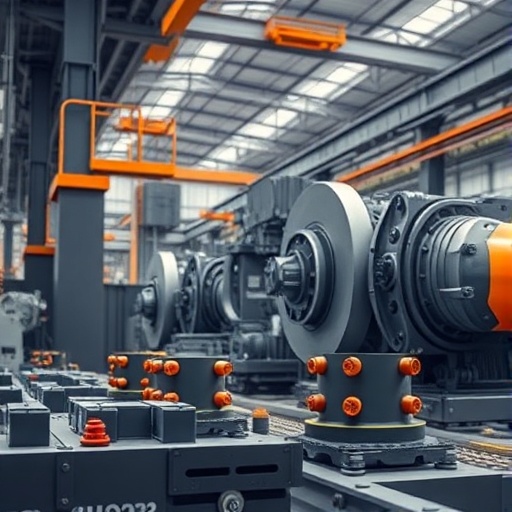
Natural rubber delivers exceptional vibration isolation through its high elasticity and low stiffness, ideal for broad-spectrum damping. It excels in absorbing shocks from machinery vibrations, stretching up to 500% without permanent deformation. In applications like generator mounts, natural rubber reduces noise and extends component life. However, it degrades under oils and UV exposure, limiting outdoor use. Neoprene rubber counters this with superior chemical resistance and weatherproofing, making it preferable for marine or industrial settings exposed to fuels. Neoprene maintains damping properties across wider temperature ranges, from -40°C to 120°C, versus natural rubber's narrower band. For vibration control in compressors, neoprene's tear resistance shines, preventing cracks under repeated stress. Natural rubber offers better low-frequency isolation, crucial for engines, while neoprene handles higher loads without compressing excessively. Cost favors natural rubber for budget projects, but neoprene justifies premiums in harsh environments. Testing shows natural rubber damping 20% more energy in ideal conditions, yet neoprene's versatility wins for long-term reliability. Choosing depends on exposure: natural for sheltered machinery, neoprene for rugged anti vibration rubber mounts.
The Role of Elastomeric Properties in Vibration Reduction
Elastomeric properties drive vibration reduction by enabling materials to deform and recover swiftly under oscillatory forces. Rubber's viscoelastic nature—combining viscosity and elasticity—dissipates energy as heat, curbing amplitude in vibrations. This proves vital for vibration isolators in manufacturing, where elastomers like natural rubber prevent resonance buildup. Stiffness controls how much deflection occurs; lower values enhance isolation for low-frequency noise from transformers. Damping coefficient measures energy loss per cycle, with high values in neoprene rubber minimizing transmitted shocks to bases. Elastomers outperform metals by isolating multi-axis movements, protecting sensitive equipment like HVAC components. Temperature stability ensures consistent performance; some formulations resist hardening in cold, maintaining vibration damping. In pipe hangers, elastomeric bumpers absorb thermal expansions alongside vibrations. Engineers tune durometer ratings—hardness levels—to match application frequencies, optimizing shock absorption. These properties reduce wear on machines, cutting noise control costs. Ultimately, leveraging elastomeric traits in anti vibration mounts transforms potentially destructive oscillations into manageable dissipations, boosting system integrity.
Choosing the Right Material for Specific Applications
Selecting materials for vibration damping hinges on environmental demands and performance needs. Natural rubber suits indoor machinery with its superior elongation, ideal for vibration rubber mounts on generators where flexibility trumps durability. In oily manufacturing environments, neoprene rubber prevents swelling, ensuring reliable isolation for compressors. Stainless steel reinforcements add strength to rubber compounds for high-load construction applications. Consider frequency: soft elastomers like natural rubber tame low hertz vibrations in engines, while stiffer neoprene handles mid-range in HVAC systems. Chemical exposure guides choices—EPDM rubber for ozone resistance in outdoor transformers. Load capacity matters; dense formulations support heavy marine equipment without bottoming out. Temperature extremes favor silicone elastomers over standard rubber for extreme vibration control. Cost-benefit analysis reveals natural rubber's affordability for non-critical noise reduction, but specialized blends justify expenses in precision settings. Testing prototypes under simulated conditions confirms efficacy. By aligning material properties with specifics—like diameter and height for custom fits—professionals achieve targeted vibration reduction, enhancing machinery lifespan and operational safety across industries.
Applications of Anti Vibration Rubber Mounts
Usage in Marine and Offshore Environments
Anti vibration rubber mounts thrive in marine and offshore environments, shielding vessels from relentless engine vibrations amid corrosive seas. Neoprene rubber variants resist saltwater degradation, mounting generators securely to decks without transmitting shakes to hulls. In offshore platforms, these mounts isolate compressors, reducing noise that could mask safety signals. Natural rubber options dampen low-frequency pulses from propulsion systems, preventing fatigue in steel structures. Pipe hangers with rubber inserts absorb pipeline tremors, averting leaks in fuel lines. Vibration isolators here cut structural noise, improving crew comfort during long voyages. Custom designs account for wave-induced motions, combining rubber with stainless steel for hybrid durability. In shipbuilding, they protect sensitive navigation gear from machinery hums. Harsh conditions demand UV-resistant formulations to maintain damping over years. These mounts enhance fuel efficiency by minimizing vibrational energy loss. Overall, anti vibration rubber mounts ensure reliable vibration control, safeguarding assets and personnel in demanding marine operations.
Application in HVAC Systems and Generators
In HVAC systems, anti vibration rubber mounts eliminate rattles from fans and blowers, ensuring quiet airflow distribution. Placed under units, they absorb vibrations at operational frequencies, preventing transmission to building frameworks. Neoprene rubber withstands condensation and oils, ideal for rooftop installations. Generators benefit similarly; rubber vibration mounts isolate diesel engines, reducing ground-borne noise in residential areas. These mounts handle variable loads during startups, damping surges that could damage foundations. In combined setups, like backup power for HVAC, they prevent cross-vibrations. Custom anti vibration pads fit irregular bases, enhancing stability. Noise control improves indoor acoustics, complying with standards. Elastomeric properties dissipate heat from vibrations, avoiding hotspots. For portable generators, compact rubber isolators minimize transport shocks. Installation simplicity speeds deployment in emergencies. These applications highlight rubber mounts' versatility, delivering effective vibration reduction and extending equipment service life in critical utility roles.
Vibration Control in Construction Machinery and Compressors
Construction machinery demands robust vibration control, where anti vibration rubber mounts tame shakes from excavators and bulldozers. Mounted on cabs, they shield operators from noise and jolts, reducing fatigue on sites. Rubber vibration isolators under tracks absorb ground impacts, protecting undercarriages from premature wear. Compressors in these environments rely on neoprene mounts to isolate high-frequency pulses, preventing air line disruptions. In pile drivers, heavy-duty rubber bumpers dampen massive forces, stabilizing operations. Manufacturing of construction gear incorporates these mounts for assembly line testing, ensuring product quality. Stainless steel-reinforced rubber handles abrasive dust without failing. Vibration reduction here cuts secondary noise from vibrating tools, fostering safer sites. Custom diameters fit varying machine footprints, optimizing stiffness. For portable compressors, flexible mounts ease relocation. These solutions minimize downtime, as isolated vibrations extend hydraulic system life. In essence, anti vibration rubber mounts fortify construction and compression tasks, blending durability with superior damping for peak performance.
Selecting the Right Vibration Isolation Solution
Factors to Consider: Frequency, Stiffness, and Height
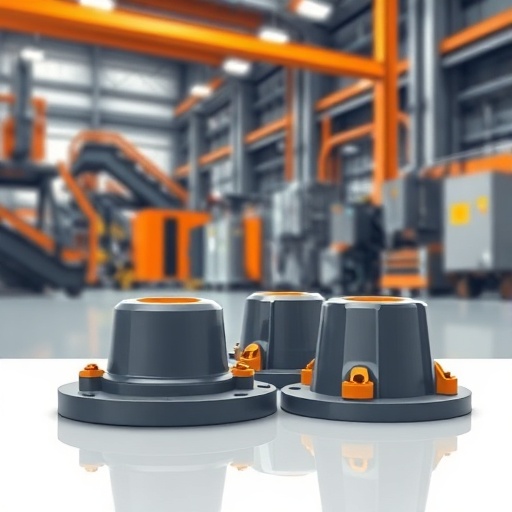
Frequency dictates vibration isolation choices, as mounts must resonate below operational hertz to avoid amplification. Low-frequency applications, like engine mounts, require soft rubber with low stiffness for effective damping. Stiffness, measured in Newtons per meter, balances load support and isolation; too high transmits vibrations, too low allows excessive motion. Height influences deflection—taller mounts offer greater travel for shock absorption in generators. In HVAC, matching stiffness to fan speeds prevents noise buildup. Environmental factors interplay: marine uses need height for wave compliance. Engineers calculate natural frequency as sqrt(k/m), where k is stiffness and m mass, ensuring it's one-third of disturbing frequency. Neoprene rubber adjusts stiffness via compounds for compressors. Height also affects stability; short mounts suit rigid bases, while elevated ones isolate transformers. Testing under load verifies performance. Considering these—frequency for tuning, stiffness for control, height for range—guides selection of anti vibration rubber mounts, optimizing vibration reduction across scenarios.
Understanding Dimensions: Diameter and Design
Diameter in vibration mounts determines contact area and load distribution, crucial for stable isolation. Larger diameters spread forces evenly, ideal for heavy machinery like construction compressors, preventing localized stress. Design variations, such as cylindrical or conical shapes, tailor damping: conicals excel in progressive stiffness for varying loads in engines. Rubber vibration mounts often feature embedded studs for secure fastening, enhancing design integrity. Diameter influences resonance; wider bases lower natural frequencies for better low-hertz control. In pipe hangers, slim diameters fit tight spaces while maintaining vibration isolation. Custom designs incorporate grooves for flexibility, reducing shear in multi-directional shakes. Stainless steel plates on rubber bases boost durability in marine applications. Understanding these dimensions ensures compatibility—measuring bolt patterns and clearances upfront. For HVAC, compact diameters minimize visual impact. Advanced finite element analysis refines designs for optimal vibration damping. Proper dimensioning aligns form with function, making anti vibration rubber mounts efficient isolators in diverse setups.
Installation Tips for Optimal Vibration Damping
Proper installation maximizes vibration damping from anti vibration rubber mounts, starting with clean, level surfaces to ensure even loading. Align mounts precisely under machinery centers of gravity, avoiding tilts that skew isolation. Torque bolts to manufacturer specs—overtightening compresses rubber excessively, reducing deflection. For generators, space mounts symmetrically to balance dynamic forces. In HVAC systems, use isolators with height adjustments for fine-tuning. Incorporate washers to prevent embedding into bases. Test post-installation by running machines at full load, monitoring for residual vibrations with accelerometers. Secure adjacent components like pipe hangers to avoid secondary transmissions. In construction, anchor mounts to concrete with epoxy for seismic resilience. Regular inspections check for cracks or shifts, especially in neoprene rubber exposed to elements. Lubricate moving parts sparingly to maintain friction damping. These tips— from alignment to monitoring—unlock full potential, achieving superior noise control and vibration reduction while prolonging mount lifespan.