Silicone vs Neoprene Which Custom Rubber Extrusions Are Right for You
Understanding Custom Rubber Extrusions
What Are Custom Rubber Extrusions?
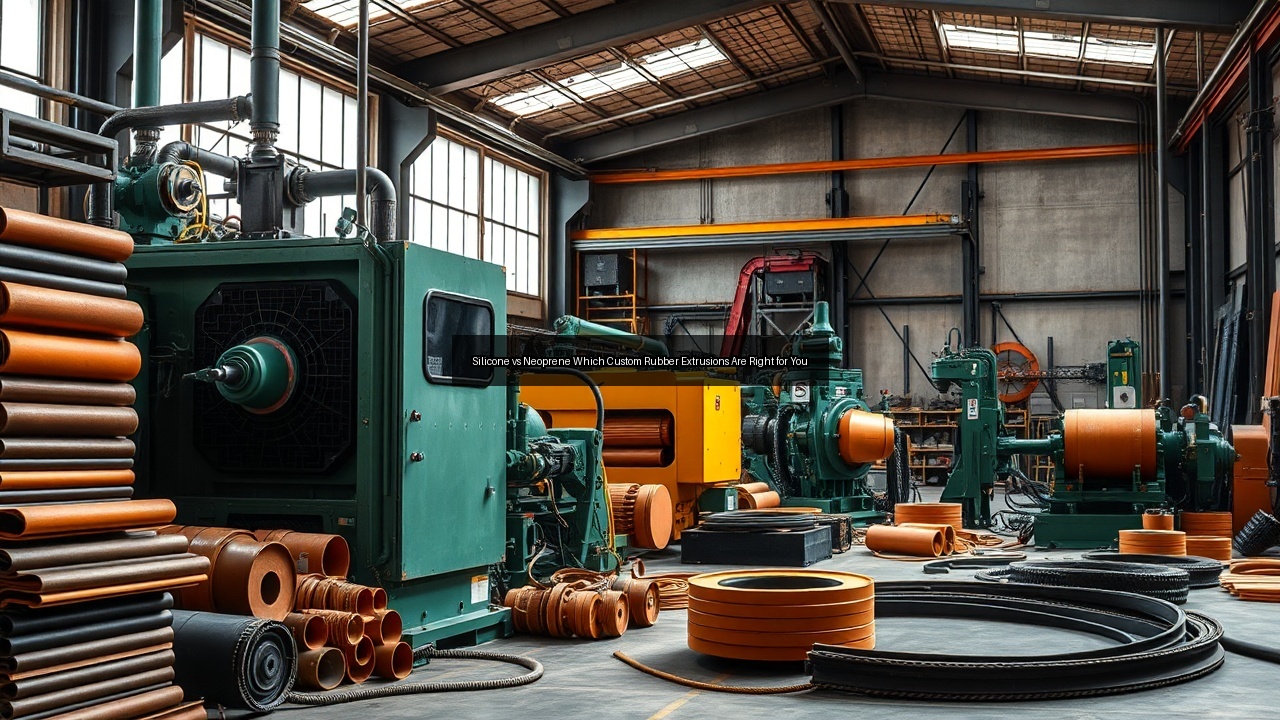
Custom rubber extrusions form essential components in countless industries by shaping rubber materials into precise profiles through a continuous process. Manufacturers push rubber compounds through a die to create uniform cross-sections, producing items like seals, tubing, and gaskets tailored to specific needs. This method excels in rubber extrusion manufacturing, allowing for high-volume production of custom rubber parts that meet exact specifications. Unlike molding, extruding handles long lengths efficiently, making it ideal for applications requiring flexibility and durability. Engineers design these extrusions to fit unique requirements, such as custom rubber profiles for automotive seals or industrial tubing. The process starts with selecting the right rubber compound, then feeding it into an extruder where heat and pressure shape it. Cooling solidifies the form, ensuring the final product withstands demanding environments. Custom rubber extrusions offer versatility, from simple strips to complex geometries, serving sectors like construction and aerospace. By focusing on precision, companies produce rubber extrusions that enhance performance and longevity in real-world use.
Businesses turn to custom extrusions when standard parts fall short, enabling innovations in product design. For instance, extruded rubber gaskets provide airtight seals in machinery, preventing leaks and contamination. The customization aspect ensures compatibility with specific machinery or assembly lines, reducing downtime and maintenance costs. Advances in extrusion technology now incorporate dual-durometer designs, combining hard and soft sections in one piece for superior functionality. This adaptability makes custom rubber products indispensable for prototypes and large-scale manufacturing alike.
Key Materials Used in Custom Rubber Extrusions
Silicone and neoprene stand out as primary materials in custom rubber extrusions, but other compounds like EPDM, TPE, and HNBR play crucial roles depending on the application. EPDM excels in weather resistance for outdoor gaskets, while TPE offers flexibility in consumer products like seals and tubing. HNBR provides enhanced oil and heat resistance, ideal for automotive custom rubber parts. Each material undergoes compounding to achieve desired properties, such as durometer for hardness or additives for UV protection. Rubber extrusion profiles rely on these selections to ensure the extruded parts meet stringent specifications.
Manufacturers blend natural and synthetic rubbers to create hybrid materials, expanding options for custom rubber seals. For example, sponge rubber adds cushioning in construction applications, absorbing vibrations in doors and windows. Fluid resistance becomes key in chemical processing, where neoprene or HNBR extrusions prevent degradation. Selecting the right material involves balancing cost, performance, and environmental exposure. Custom rubber extrusions using these materials deliver tailored solutions, from high-temperature silicone tubing to durable neoprene profiles. This variety drives innovation in rubber extrusion manufacturing, meeting diverse industry demands with precision-engineered products.
Understanding material compatibility ensures long-term success; for instance, silicone avoids reactions in medical devices, while EPDM handles ozone exposure in electrical insulators. These choices directly impact the lifespan and efficiency of custom rubber products, making informed selection vital for project outcomes.
Applications of Custom Rubber Extrusions
Custom rubber extrusions find widespread use in automotive, construction, and medical fields, where they serve as seals, gaskets, and protective tubing. In vehicles, extruded rubber profiles create weatherproof barriers around doors and windows, enhancing safety and comfort. Construction projects rely on these extrusions for expansion joints and vibration dampeners, ensuring structural integrity. Medical applications demand biocompatible silicone extrusions for tubing that transports fluids without contamination. Industrial machinery benefits from custom rubber seals that prevent leaks in high-pressure systems.
Rubber gaskets and o-rings, often produced via extrusion, maintain airtight connections in HVAC units and plumbing. The process suits large-scale production, like rubber extrusion profiles for conveyor belts or edge trims in furniture. Aerospace uses lightweight neoprene extrusions for fuel lines, resisting extreme conditions. Even consumer goods, such as appliance gaskets, highlight the versatility of custom rubber parts. By addressing specific needs, these extrusions reduce wear and extend equipment life across sectors.
Emerging trends include eco-friendly compounds in custom rubber products, aligning with sustainability goals. From marine docking seals to electronics enclosures, applications continue to evolve, showcasing the adaptability of rubber extrusions in modern engineering.
Silicone: Properties and Applications
Characteristics of Silicone Rubber
Silicone rubber thrives in extreme temperatures, maintaining flexibility from -60°C to 230°C without cracking or hardening. This synthetic elastomer boasts excellent electrical insulation and biocompatibility, making it a top choice for custom rubber extrusions in sensitive environments. Its low compression set ensures gaskets and o-rings retain shape under prolonged pressure, vital for sealing applications. Silicone resists ozone, UV rays, and weathering, outperforming many rubbers in outdoor exposure. Water repellency and chemical inertness further enhance its profile, preventing absorption of fluids or contaminants.
In extrusion processes, silicone flows smoothly, allowing intricate custom rubber profiles with tight tolerances. Additives can modify its durometer, ranging from soft 20A for sponge seals to firm 80A for rigid tubing. Unlike natural rubber, silicone avoids allergic reactions, suiting medical and food-grade uses. Its transparency in certain formulations aids visual inspections in construction assemblies. These traits position silicone as a premium material in rubber extrusion manufacturing, where reliability trumps cost in high-stakes scenarios.
Environmental stability shines in long-term applications; silicone extrusions endure decades in solar panel seals or aircraft components, minimizing replacements and downtime.
Common Uses for Silicone Extrusions
Silicone extrusions power medical tubing for IV lines and catheters, leveraging their non-toxic nature and flexibility. In electronics, they form insulating covers and wire harnesses, protecting against moisture and heat. Automotive industries use silicone gaskets for engine seals, handling high temperatures in exhaust systems. Food processing relies on FDA-approved silicone profiles for conveyor guides and bakery molds, ensuring hygiene and durability.
Construction incorporates silicone edge trims and weatherstrips in windows, repelling rain and drafts effectively. Aerospace demands custom silicone o-rings for hydraulic systems, where precision and thermal stability prevent failures. HVAC applications feature silicone insulation for ducts, reducing energy loss. Even consumer products like keyboard seals and wearable device gaskets benefit from its softness and resilience. These uses highlight silicone's role in custom rubber extrusions, delivering tailored performance across diverse fields.
Innovation drives new applications, such as silicone sponge extrusions for vibration isolation in robotics, expanding its footprint in emerging technologies.
Advantages of Silicone in Custom Parts
Silicone delivers unmatched temperature resistance in custom rubber parts, outperforming neoprene in prolonged heat exposure. Its chemical stability resists oils, acids, and solvents, extending the life of gaskets in industrial fluid handling. Biocompatibility opens doors to healthcare, where custom silicone extrusions meet strict regulatory standards without leaching harmful substances. Low toxicity and hypoallergenic properties make it ideal for consumer contact items like seals in baby products.
Customization shines through; manufacturers achieve complex geometries in rubber extrusion profiles, from multi-lumen tubing to co-extruded durometers. Electrical properties insulate high-voltage applications reliably, reducing short-circuit risks. Weather resistance suits outdoor custom rubber seals, maintaining integrity against sun and rain. Compared to TPE or EPDM, silicone offers superior clarity and color stability, enhancing aesthetic appeals in visible parts. These benefits justify its use in premium custom rubber products, where performance drives value.
Longevity cuts maintenance costs; silicone o-rings in pumps last years longer than alternatives, boosting operational efficiency in demanding setups.
Neoprene: Properties and Applications
Characteristics of Neoprene Rubber
Neoprene rubber, or polychloroprene, combines toughness with moderate flexibility, resisting abrasion and tearing better than many elastomers. It handles temperatures from -40°C to 120°C effectively, suitable for dynamic applications. Excellent resistance to oils, greases, and chemicals makes neoprene a staple in custom rubber extrusions exposed to lubricants. Flame retardancy adds safety, as it self-extinguishes quickly, ideal for construction and automotive uses. Its weather resistance withstands ozone and sunlight, preventing cracking in outdoor settings.
In extrusion, neoprene processes well, yielding uniform rubber extrusions with good surface finish. Durometer ranges from 40A to 95A allow tailoring for soft gaskets or hard profiles. Adhesion to fabrics and metals enhances bonding in laminated products. Unlike silicone, neoprene absorbs less water, maintaining strength in humid environments. These properties position it as a versatile choice in rubber extrusion manufacturing for cost-effective, durable solutions.
Mechanical strength excels in high-wear scenarios; neoprene tubing endures flexing without fatigue, supporting reliable performance over time.
Common Uses for Neoprene Extrusions
Neoprene extrusions seal doors and windows in construction, providing weatherproof barriers against wind and water. Automotive weatherstrips and gaskets use neoprene for its oil resistance in engine compartments. Marine applications feature neoprene padding and fenders, absorbing impacts while resisting saltwater corrosion. Industrial conveyor belts incorporate neoprene profiles for grip and durability in material handling.
Protective gear like gloves and pads relies on neoprene's cushioning, often in sponge form for comfort. Electrical insulation covers benefit from its flame resistance, safeguarding wires in harsh conditions. HVAC systems employ neoprene o-rings for vibration damping in compressors. Sporting goods, such as wetsuit edges, leverage its flexibility and buoyancy. These applications underscore neoprene's utility in custom rubber extrusions, balancing performance and affordability across industries.
Custom neoprene seals in pumps handle fluids without swelling, ensuring leak-free operations in processing plants.
Advantages of Neoprene in Custom Parts
Neoprene offers superior mechanical strength in custom rubber parts, resisting cuts and punctures in abrasive environments. Its oil and fuel resistance outshines silicone in automotive and marine custom rubber seals, preventing degradation from spills. Cost-effectiveness makes it accessible for high-volume rubber extrusion profiles, without sacrificing key properties. Flame retardancy complies with safety standards in building materials and electronics enclosures.
Versatility allows blending with other rubbers like HNBR for enhanced specs, creating hybrid extrusions for specific needs. Good adhesion facilitates assembly in multi-material designs, streamlining production. Compared to EPDM, neoprene handles dynamic loads better, suiting moving parts like tubing in machinery. These advantages drive its selection in custom rubber products where durability meets budget constraints.
Long-term outdoor exposure sees neoprene maintaining elasticity, reducing replacement frequency in infrastructure projects.
Comparing Silicone and Neoprene for Custom Applications
Durability and Resistance to Environmental Factors
Silicone edges out neoprene in UV and ozone resistance, ideal for prolonged outdoor custom rubber extrusions like solar mounts. Neoprene counters with better abrasion resistance, suiting high-wear gaskets in construction equipment. Both materials withstand weathering, but silicone avoids brittleness in extreme cold, while neoprene handles moderate chemicals without swelling. In fluid exposure, neoprene resists hydrocarbons effectively, protecting seals in oily environments, whereas silicone shines against water and mild acids.
Durability testing reveals silicone's low compression set for static seals, ensuring o-rings stay pliable. Neoprene's tear strength benefits dynamic applications, like extruded tubing under flex. Custom rubber profiles combine these traits through co-extrusion, optimizing for specific hazards. Environmental factors like humidity favor neoprene's low water absorption, preventing delamination in sponge forms. Overall, selection hinges on exposure type—silicone for purity, neoprene for ruggedness—in rubber extrusion manufacturing.
Real-world longevity shows silicone lasting 20+ years in cleanrooms, while neoprene endures 10-15 years in industrial yards, guiding material choices for custom rubber parts.
Temperature Stability and Performance
Silicone dominates high-temperature custom rubber extrusions, operating up to 230°C without softening, perfect for oven gaskets or engine components. Neoprene caps at 120°C, sufficient for ambient automotive seals but faltering in heat-intensive zones. Low-temperature performance flips: silicone remains flexible below -60°C, suiting cryogenic tubing, while neoprene stiffens around -40°C, limiting arctic uses. Thermal stability ensures consistent durometer, preventing leaks in o-rings under thermal cycling.
In performance tests, silicone retains elasticity after heat aging, outperforming neoprene in aerospace applications. Neoprene's advantage lies in balanced ranges for everyday construction profiles, avoiding overkill costs. Custom rubber seals benefit from silicone in electronics, insulating against hot spots. Fluid temperatures influence choice—neoprene for cool oils, silicone for steam lines. These differences shape rubber extrusion profiles for optimal efficiency.
Hybrid approaches, like silicone-coated neoprene, merge strengths for versatile custom rubber products in fluctuating conditions.
Cost Considerations for Custom Extrusions
Neoprene undercuts silicone in cost for custom rubber extrusions, often 30-50% cheaper due to simpler compounding and wider availability. Silicone's premium pricing reflects its superior properties, justifying expense in high-spec applications like medical tubing. Volume production amortizes extrusion tooling costs, making neoprene viable for large runs of gaskets. Custom rubber profiles in neoprene reduce material waste through efficient processing, lowering overall budgets.
Specification complexity affects pricing; intricate silicone o-rings demand precise dies, inflating setup fees. Neoprene's forgiving nature suits prototypes, accelerating development without high investments. Long-term savings favor silicone in maintenance-heavy environments, as its durability cuts replacements. For budget-conscious projects, neoprene delivers reliable performance in rubber extrusion manufacturing. Balancing initial outlay with lifecycle value guides decisions for custom rubber seals.
Market fluctuations in raw materials impact costs—EPDM alternatives sometimes bridge the gap, but neoprene remains a staple for economical custom rubber parts.
Choosing the Right Material for Your Project
Understanding Durometer and Its Importance
Durometer measures rubber hardness on a scale from 0 to 100, with lower numbers indicating softer materials ideal for flexible gaskets and higher for rigid custom rubber extrusions. In projects, selecting the right durometer ensures seals compress properly without leaking, crucial for o-rings in fluid systems. Soft 40A neoprene suits vibration absorption in construction, while 70A silicone provides firm seals in high-pressure tubing. Mismatching durometer leads to failures, like overly stiff profiles cracking under stress.
Testing involves Shore A or OO scales, guiding specifications in rubber extrusion manufacturing. Dual-durometer extrusions combine soft cores with hard skins for enhanced functionality in custom rubber profiles. Importance amplifies in dynamic applications, where flexibility prevents fatigue. Factors like temperature alter perceived hardness, so engineers simulate conditions for accurate choices. Understanding durometer streamlines design, optimizing custom rubber products for performance and fit.
Practical examples include 50A sponge for cushioned seals versus 80A for load-bearing tubing, tailoring to project demands.
Selecting the Right Gasket or O-Ring Material
Choosing gasket materials starts with exposure analysis—silicone for high-heat, chemical-free environments, neoprene for oil-resistant seals in machinery. O-rings demand low compression set, favoring HNBR or EPDM for automotive fluids. Custom rubber gaskets in construction prioritize weather resistance, often EPDM or neoprene for expansion joints. Compatibility testing prevents swelling or degradation, ensuring long-term sealing in custom rubber extrusions.
Silicone o-rings excel in sanitary applications like food processing, while neoprene handles moderate pressures in HVAC. Durometer guides selection: softer for irregular surfaces, firmer for precision fits. Cost and availability influence choices, with TPE offering budget flexibility for non-critical gaskets. Specifications detail tolerances, vital for rubber extrusion profiles. Proper selection enhances system reliability, reducing leaks and contamination risks in diverse projects.
Consulting standards like ASTM ensures compliance, supporting informed decisions for custom rubber seals and parts.
Factors to Consider in Custom Rubber Profiles
Key factors in custom rubber profiles include environmental exposure, mechanical stress, and regulatory needs, dictating material like silicone for biocompatibility or neoprene for abrasion resistance. Design complexity affects extrusion feasibility—simple tubing extrudes easily, while intricate seals require advanced dies. Volume and lead time influence costs, with high runs justifying custom tooling for rubber extrusions.
Durometer, color, and additives tailor profiles for aesthetics and function, such as UV stabilizers in outdoor gaskets. Fluid compatibility tests prevent failures in chemical plants. Sustainability pushes eco-friendly compounds, aligning with green specifications. Collaboration with manufacturers refines designs, ensuring custom rubber products meet tolerances. These considerations optimize performance, from sponge profiles in padding to rigid ones in structural seals.
Prototyping validates choices, minimizing revisions and accelerating deployment of custom rubber extrusions in real applications.