The Art and Science Behind Custom Blow Molding Solutions

Understanding Blow Molding: The Intersection of Art and Science
The Basics of Blow Molding Technology
Blow molding technology transforms molten plastic into hollow shapes, powering the production of everyday items like bottles and containers. Manufacturers heat plastic resin until it becomes pliable, then inflate it inside a mold using air pressure to form precise structures. This process blends precision engineering with creative design, allowing blow molding companies to craft durable, lightweight products at scale. Central to blow molding services, the technology minimizes material waste and enables rapid cycles, making it ideal for high-volume manufacturing. Engineers fine-tune temperatures and pressures to ensure uniformity, while designers focus on aesthetics and functionality. From pet bottles to industrial components, blow molding technology drives innovation in plastic blow molding services, offering versatility unmatched by other methods like injection molding. Blow molding manufacturers leverage this to meet diverse demands, ensuring products withstand real-world stresses while maintaining cost efficiency.
In practice, the blow molding process starts with extruding a parison—a tube of softened plastic—into the mold cavity. Compressed air then expands it against the mold walls, cooling it into the final shape. This simplicity hides sophisticated controls over viscosity and airflow, which dictate product integrity. Blow molding solutions excel in creating seamless, one-piece items, reducing assembly needs. For custom blow molding, technicians adjust parameters for specific resins, enhancing strength or flexibility. As a cornerstone of molding services, this technology supports industries from packaging to automotive, where reliability counts. Blow molded products emerge lightweight yet robust, proving blow molding's enduring appeal in modern manufacturing.
Key Types of Blow Molding Processes
Blow molding processes vary to suit different product needs, with extrusion blow molding leading for large-scale production of containers. In this method, a continuous parison extrudes from a die, and the mold closes around it before inflation. It shines in making items like drums and bottles, where even wall thickness matters. Injection blow molding, conversely, pre-forms the parison via injection into a pre-mold, then transfers it for blowing—perfect for precision necks on small bottles. Stretch blow molding stretches the preform biaxially, ideal for strong, clear pet bottles used in beverages. Each type integrates sciences of polymer behavior and fluid dynamics, enabling blow molding manufacturers to select based on volume, shape complexity, and material.
Manufacturers often combine these for hybrid efficiency; for instance, injection stretch blow molding merges injection precision with stretch orientation for superior clarity and barrier properties. Extrusion suits irregular shapes, while injection variants handle threaded finishes flawlessly. Blow molding services providers weigh factors like cycle time and tooling costs when recommending processes. Custom blow molding demands expertise in these variations to align with client specs, ensuring products like automotive parts or medical vials meet stringent standards. Understanding these key types empowers brands to optimize designs, reducing defects and boosting output. As blow molding technology evolves, these processes adapt, incorporating automation for faster, greener production across molding services.
Stretch-blow molding, in particular, revolutionizes packaging by enhancing gas retention in carbonated drinks, a boon for pet bottles. Blow mold designs must accommodate the stretching phase, influencing material flow and final dimensions. Overall, selecting the right process hinges on end-use requirements, with blow molding companies excelling in tailoring solutions to balance cost, quality, and scalability.
The Role of Engineering in Blow Molding
Engineering anchors blow molding, merging mechanical principles with material sciences to produce flawless blow molded products. Engineers design molds that withstand high pressures and temperatures, using CAD software to simulate airflow and cooling patterns. This foresight prevents defects like uneven walls or weak seams, crucial for safety in containers holding liquids or chemicals. In custom blow molding solutions, they optimize parison thickness for uniform distribution, drawing on rheology to predict plastic behavior under heat. Machinery calibration falls to them too, ensuring machines deliver consistent extrusion or injection forces.
Blow molding manufacturers rely on engineering teams to integrate sensors for real-time monitoring, slashing downtime and waste. For OEM partnerships, engineers collaborate on prototypes, iterating designs to meet brand specifications while adhering to tolerances. The sciences of thermodynamics guide cooling systems, speeding cycles without compromising integrity. In industrial blow molding, engineering tackles challenges like multi-layer constructions for barrier properties, vital for food-grade packaging. This discipline not only enhances efficiency but also fosters innovation, such as lightweighting designs that cut shipping costs. Ultimately, engineering elevates blow molding services from craft to cutting-edge manufacturing, delivering reliable, high-performance products that brands trust.
Advanced simulations now predict stress points in blow molds, allowing preemptive adjustments. Engineers also champion sustainability by engineering recyclable resins into processes, aligning with global eco-standards. Their expertise ensures blow molding remains a versatile, economical choice for diverse applications.
Custom Blow Molding Solutions: Tailoring to Market Needs
Design Considerations for Custom Molds
Custom molds demand meticulous design to capture unique product visions, starting with detailed blueprints that account for shrinkage and draft angles. Designers prioritize parting lines to avoid visible seams, ensuring aesthetic appeal in blow molded products. For complex geometries, like ergonomic handles on bottles, they incorporate undercuts and threads, balancing manufacturability with functionality. Material selection influences mold durability; steel alloys handle high volumes, while aluminum suits prototypes for cost savings. In blow molding services, iterative prototyping via 3D printing refines designs, catching issues early.
Engineering input shapes custom molds, simulating air entrapment to prevent voids. Brands specify features like logos or textures, which designers embed without compromising flow. Sustainability drives choices too, with molds optimized for thinner walls that reduce plastic use. Custom blow molding companies leverage software to visualize end-results, aligning with market trends for lightweight, durable packaging. OEMs benefit from modular designs that adapt to evolving needs, minimizing retooling expenses. Thorough consideration of these elements ensures molds produce consistent, high-quality outputs, positioning blow molding solutions as a strategic asset for competitive markets.
Moreover, regulatory compliance—such as FDA standards for food contact—guides design, incorporating smooth surfaces to ease cleaning. This holistic approach transforms concepts into viable products, empowering manufacturers to meet diverse demands efficiently.
Selecting the Right Machinery for Production
Selecting machinery sets the foundation for efficient custom blow molding, with factors like tonnage, clamp force, and automation levels dictating suitability. For high-volume runs, fully automated machines with rotary systems accelerate output, ideal for extrusion blow molding of pet bottles. Smaller operations favor shuttle machines for flexibility in switching molds. Blow molding manufacturers evaluate resin compatibility; some machines excel with PET for stretch-blow molding, while others handle HDPE for rigid containers. Energy efficiency ranks high, as modern machines incorporate servo drives to cut power use by up to 30%.
In blow molding services, providers assess production scale—single-station for prototypes versus multi-cavity for mass output. Integration with robotics for part handling boosts precision and safety. Custom blow molding solutions often require hybrid machines supporting multiple processes, like injection and stretch variants. Maintenance features, such as quick-change dies, minimize interruptions. Brands partnering with OEMs seek machines with scalable controls, allowing future upgrades. This selection process ensures machinery aligns with design goals, optimizing cycle times and yield. Ultimately, the right machine elevates manufacturing, delivering cost-effective, reliable blow molded products tailored to specific needs.
Consulting experts from blow molding companies helps navigate options, factoring in ROI through simulations of throughput versus investment. Advanced machinery now includes AI diagnostics, predicting failures and enhancing longevity in industrial settings.
Color and Material Choices in Custom Solutions
Color and material choices define the appeal and performance of custom blow molded products, starting with resins like PET for clarity in beverages or PP for chemical resistance. Additives tint plastics during extrusion, ensuring vibrant, fade-resistant hues without post-processing. Designers match colors to brand identities, using masterbatches for consistency across runs. In blow molding solutions, multi-layer extrusion adds barriers like EVOH for oxygen control, extending shelf life in packaging. Sustainability pushes bio-based materials, reducing carbon footprints while maintaining strength.
Custom blow molding services consider UV stabilizers for outdoor applications, preventing degradation in automotive parts. Texture additives enhance grip, vital for consumer goods. Manufacturers test formulations for warpage under blow mold conditions, ensuring dimensional stability. OEMs demand FDA-approved options for medical vials, prioritizing purity. Color matching tools like spectrophotometers guarantee uniformity, bolstering brand trust. These choices influence recyclability too; mono-materials simplify processing, aligning with eco-trends. By thoughtfully selecting colors and materials, blow molding manufacturers create products that not only look great but perform exceptionally, meeting market demands for quality and innovation.
Trends toward opaque whites for light-sensitive contents or metallics for premium aesthetics expand possibilities. This customization elevates molding services, turning functional items into marketable assets.
Blow Molding Services: From Concept to Creation
Collaborating with Brands: OEM Considerations
Collaborating with brands in blow molding services begins with deep dives into OEM requirements, aligning production with proprietary specs for seamless integration. OEMs provide detailed CAD files, which manufacturers refine for blow mold feasibility, addressing tolerances down to microns. Communication channels ensure iterative feedback, preventing costly redesigns. Blow molding companies offer value engineering, suggesting tweaks that cut material use without sacrificing performance, like optimizing wall thickness in pet bottles. Confidentiality agreements protect intellectual property, fostering trust in custom blow molding.
Scalability matters; OEMs scale from pilot runs to millions, so services must flex with demand. Logistics integration, including just-in-time delivery, minimizes inventory costs. Sustainability audits verify eco-friendly practices, appealing to green-focused brands. In injection stretch blow molding, OEMs leverage expertise for preform designs that enhance bottle strength. These partnerships yield blow molded products tailored for assembly lines, boosting efficiency. Blow molding manufacturers track metrics like defect rates to refine processes, ensuring consistent quality. This collaborative ethos turns concepts into market-ready solutions, empowering brands to innovate confidently.
Joint prototyping sessions accelerate development, with rapid tooling for testing. Overall, strong OEM ties drive mutual success in competitive landscapes.
The Manufacturing Process Explained
The manufacturing process in blow molding unfolds in stages, kicking off with resin preparation where pellets dry and mix with colorants. Extruders melt them into a uniform parison, controlled by screw speed and temperature zones. The mold closes, and air blasts in at 100-200 psi, expanding the plastic against cooled walls for shaping. Cooling channels circulate water to solidify the form quickly, typically in seconds for efficiency. Ejection follows, with automated trimmers removing flash for clean edges.
For stretch blow molding, preforms heat and stretch via rods and air, orienting molecules for clarity and toughness. Quality checks intersperse steps, like leak tests post-blow. Custom blow molding services adapt this for multi-cavity tools, multiplying output. Machinery like rotary carousels handle continuous production, ideal for high-volume pet bottles. Waste from trimmings recycles back, promoting circularity. This streamlined process underpins blow molding technology, enabling precise, scalable creation of diverse products. Manufacturers fine-tune variables for each run, ensuring reproducibility across extrusion or injection variants.
Post-processing, like labeling or threading, completes the cycle. Understanding this flow helps brands appreciate the precision behind everyday blow molded items, from toys to tanks.
Quality Control in Blow Molded Products
Quality control in blow molded products safeguards integrity through rigorous inspections at every stage, starting with raw material verification for purity and consistency. In-process monitoring uses vision systems to detect parison anomalies, halting faulty cycles. Post-molding, dimensional gauges measure wall thickness and overall form, ensuring compliance with specs. Leak and burst tests simulate usage stresses, vital for containers in food or pharma sectors. Blow molding services employ statistical process control to track variations, maintaining Six Sigma levels.
Custom blow molding demands certified labs for material analysis, confirming additives like colors meet standards. Non-destructive testing, such as ultrasound, spots internal defects without waste. Feedback loops refine molds and machines, reducing scrap rates below 2%. OEMs receive traceability reports, linking products to batches for accountability. Sustainability checks verify recyclability, aligning with regulations. This comprehensive approach ensures blow molded products deliver reliability, from pet bottles to industrial housings. Blow molding manufacturers invest in trained teams and tech, turning quality control into a competitive edge that builds lasting brand loyalty.
Regular audits and supplier vetting extend oversight, fostering excellence across the supply chain. Robust QC transforms potential risks into assured performance.
Comparing Blow Molding Techniques: Which is Right for You?
Extrusion Blow Molding vs. Injection Blow Molding
Extrusion blow molding excels for large, hollow items like jerry cans, extruding a parison continuously for high throughput and low tooling costs. It handles wide-neck designs effortlessly but may yield uneven walls without precise controls. Injection blow molding, by contrast, forms preforms first for superior neck accuracy, suiting small, precision bottles like pharmaceuticals. It demands higher initial investment but reduces post-trim waste, enhancing efficiency for threaded closures.
Choose extrusion for cost-sensitive, high-volume runs where aesthetics play second fiddle to function; it's dominant in industrial blow molding. Opt for injection when uniformity and finish matter, as in cosmetics packaging. Both leverage blow molding technology, but extrusion suits HDPE resilience, while injection favors PET clarity. Blow molding manufacturers weigh cycle times—extrusion's faster for bulk—against quality needs. Custom blow molding services blend insights from both, advising based on prototypes. This comparison highlights how technique selection impacts ROI, with hybrids emerging for versatility.
Material versatility spans both, though injection's preform control minimizes defects. Ultimately, aligning with product demands ensures optimal outcomes in molding services.
The Advantages of Stretch Blow Molding
Stretch blow molding offers unmatched clarity and strength for pet bottles, stretching preforms to align polymers, boosting impact resistance by 50%. This biaxial orientation creates lightweight yet durable containers, cutting shipping weights and costs. Ideal for carbonated drinks, it provides excellent gas barrier properties, extending shelf life without thick walls. The process supports high-speed production, with machines filling thousands per hour, perfect for beverage giants.
Advantages include design flexibility for unique shapes, like ergonomic grips, enhancing user appeal. Energy efficiency shines, as lower material use aligns with sustainability goals in blow molding services. Compared to extrusion, stretch delivers superior optics, vital for premium branding. Custom blow molding solutions use it for flavored water lines, where transparency sells. Manufacturers appreciate reduced creep under pressure, ensuring long-term integrity. This technique revolutionizes packaging, making products stand out while meeting eco-standards.
Injection stretch variants add precision, but core stretch blow molding's simplicity drives adoption. Brands gain market edges through these benefits, solidifying its role in modern manufacturing.
When to Choose Injection Stretch Blow Molding
Choose injection stretch blow molding for applications needing pinpoint accuracy and enhanced properties, like single-serve juice bottles with tamper-evident seals. It combines injection's preform precision with stretching's orientation, yielding thin-walled, clear products resistant to thermal shock. Opt for it in high-end markets where consistency trumps cost, such as nutraceuticals demanding uniform dosing.
This method suits when scalability meets quality; rotary machines handle millions annually with minimal variation. It's preferable over basic stretch for complex necks or labels integrated pre-blow. Blow molding manufacturers recommend it for PET-based items, where barrier enhancements prevent flavor migration. Custom blow molding services leverage its versatility for seasonal packaging, adapting molds quickly. Drawbacks like higher setup costs fade against benefits in regulated industries. When durability and aesthetics converge, injection stretch blow molding delivers, empowering brands to innovate confidently.
Trends toward lightweighting favor it, especially with recycled PET. Selecting this technique aligns production with premium demands, ensuring competitive positioning.
The Future of Blow Molding: Innovations and Trends
Emerging Technologies in Blow Molding
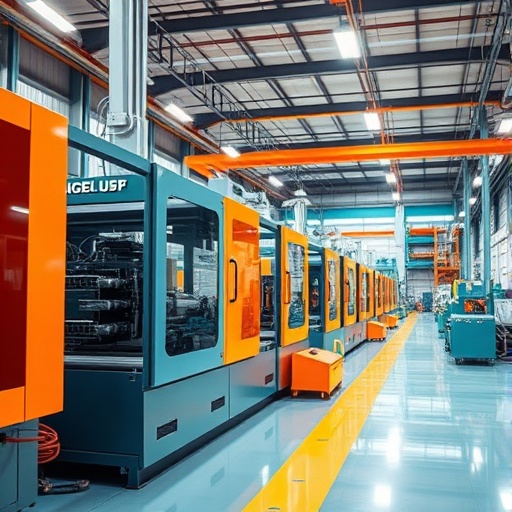
Emerging technologies in blow molding include AI-driven controls that predict and adjust parison drops in real-time, slashing defects by 40%. Additive manufacturing crafts complex molds faster, enabling intricate designs for custom blow molding. Hybrid machines now fuse extrusion with 3D printing for multi-material layers, enhancing functionality in automotive parts. IoT sensors monitor machinery health, enabling predictive maintenance that boosts uptime to 99%.
Nanotechnology infuses resins with antimicrobials, ideal for medical blow molded products. Laser-assisted heating refines preform stretching, improving energy use in stretch blow molding. Blow molding services adopt these for smarter factories, where data analytics optimize entire lines. Virtual reality simulates processes, cutting prototype costs. These innovations propel blow molding technology forward, making it agile for e-commerce packaging demands. Manufacturers embracing them gain edges in speed and customization, redefining industry standards.
Blockchain traceability ensures supply chain transparency, appealing to eco-conscious brands. This tech surge promises a dynamic future for molding services.
Sustainability in Blow Molding Services
Sustainability in blow molding services focuses on recycled content, with up to 100% rPET in pet bottles without quality loss. Closed-loop systems recapture trim scrap, reducing virgin resin needs by 20%. Energy-efficient machines with variable speed drives cut consumption, aligning with net-zero goals. Biodegradable additives break down plastics post-use, minimizing landfill impact.
Blow molding manufacturers design for recyclability, using mono-materials to simplify sorting. Waterless cooling innovations conserve resources in high-volume runs. Custom blow molding solutions incorporate life-cycle assessments, guiding eco-friendly choices. Brands demand carbon footprint reporting, driving transparency. Lightweighting via advanced stretch blow molding saves fuel in transport. These practices not only comply with regulations like EU plastics directives but also attract green consumers. Sustainability elevates blow molding services, turning environmental challenges into opportunities for innovation and market leadership.
Partnerships with recyclers close the loop, fostering circular economies. This commitment ensures long-term viability for the industry.
Market Trends Affecting Blow Molding Manufacturers
Market trends affecting blow molding manufacturers include surging e-commerce demand for protective packaging, spurring lightweight, stackable designs. Personalization rises, with digital printing on molds enabling short-run custom blow molding. Asia-Pacific growth fuels expansion, as blow molding companies invest in localized production. Health sectors drive sterile, high-barrier products, boosting injection blow molding adoption.
Sustainability mandates push bio-resins, challenging traditional supplies but opening niches. Automation trends reduce labor costs, with robots handling 80% of tasks in advanced facilities. Supply chain disruptions accelerate nearshoring, benefiting agile manufacturers. Blow molding solutions evolve with 5G-enabled monitoring for global oversight. These shifts demand adaptability, with OEM collaborations key to capturing shares in beverages and pharma. Trends forecast 5% CAGR through 2030, rewarding innovators in blow molding services.
Consumer preference for eco-packaging influences material R&D, while tariffs reshape sourcing. Navigating these ensures manufacturers thrive amid change.