The Art of Design in Custom Feed Screws for Enhanced Productivity
Understanding Custom Feed Screws and Their Importance
The Role of Feed Screws in Manufacturing
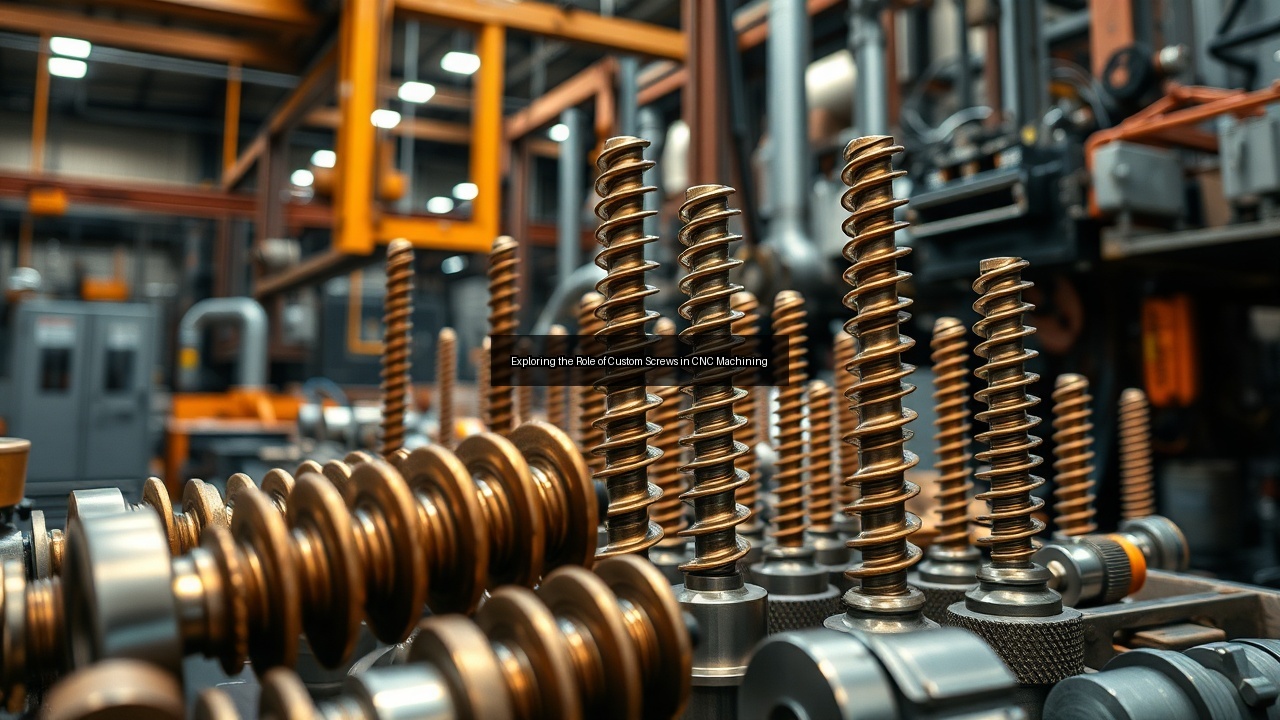
Feed screws drive the heart of many manufacturing processes by precisely controlling material flow. Manufacturers rely on these components to push powders, granules, or viscous substances through machinery with consistent force. In injection molding setups, feed screws deliver raw plastic into heated barrels, ensuring even melting before the material shoots into molds. This role extends to extrusion lines, where screws compress and advance polymers to form continuous profiles like pipes or sheets. Custom feed screws stand out because engineers tailor them to specific needs, optimizing throughput without compromising quality. Without reliable feed screws, production lines falter—jams occur, efficiency drops, and waste piles up. In America, leading manufacturers craft these screws to meet stringent industry standards, boosting overall productivity. Consider a factory producing automotive parts: a well-designed feed screw maintains steady material handling, reducing downtime and accelerating output. These screws also play a pivotal part in screw conveyors, which transport bulk goods across facilities. By integrating custom designs, operations achieve smoother transitions between stages, from mixing to final assembly. Ultimately, feed screws transform chaotic material flows into disciplined streams, underpinning modern manufacturing success.
Engineers often customize feed screws to handle unique challenges, such as varying viscosities or high-temperature environments. For instance, in food processing, a feed screw might manage sticky dough or even extract juice from fruits, preventing clogs while maximizing yield. This adaptability makes custom feed screws indispensable for scaling operations. Factories that invest in tailored solutions report up to 30% gains in speed, proving the screw's central influence on workflow. As manufacturing evolves, so do these components, incorporating advanced geometries to minimize energy use and enhance durability.
Benefits of Custom Feed Screws
Custom feed screws deliver unmatched advantages over off-the-shelf options, starting with superior efficiency in material handling. Designers craft them to fit exact barrel dimensions, eliminating gaps that cause uneven feeding and reduce productivity. In extrusion processes, this precision means smoother material flow, cutting energy costs and extending equipment life. Manufacturers appreciate how custom screws minimize wear on surrounding parts, like barrels, leading to fewer repairs and longer runs. Productivity soars because these screws handle diverse materials—from brittle pellets to tough resins—without adjustments. A custom feed screw for injection molding, for example, can optimize screw speed to match cycle times, shortening production intervals by minutes per part. This translates to thousands of extra units daily, directly impacting the bottom line. In America, custom screw manufacturers emphasize bespoke solutions that align with client specifications, fostering innovation. Beyond performance, custom designs reduce waste; precise feeding prevents overfeeding or shortages, conserving raw materials. Safety improves too, as balanced screws lower vibration risks. Overall, businesses adopting custom feed screws witness streamlined operations, higher output, and competitive edges in fast-paced markets.
Another key benefit lies in scalability. As companies grow, custom feed screws adapt seamlessly, supporting increased volumes without major overhauls. Take a plastics firm: switching to a custom screw design enhances melt uniformity, yielding stronger products and fewer defects. This reliability builds trust among clients, encouraging repeat business. Environmentally, efficient custom screws lower power consumption, aligning with sustainability goals. In summary, the tailored nature of custom feed screws unlocks productivity potentials that generic ones simply can't match.
Key Industries Utilizing Custom Feed Screws
Pharmaceuticals lead the pack in adopting custom feed screws for their precision in handling sensitive powders. These screws ensure contaminant-free delivery into mixers or presses, maintaining drug integrity during manufacturing. In the food industry, custom designs process everything from grains to juice extracts, with screws tailored to avoid bacterial buildup. Automotive manufacturers use them in molding high-strength composites, where exact feeding prevents voids in parts. Packaging firms rely on custom feed screws in blow molding to create uniform bottles at high speeds, boosting line efficiency. Chemical processing benefits from screws that resist corrosion, feeding reactive substances safely through reactors. In America, aerospace giants commission custom screws for lightweight material extrusion, meeting rigorous FAA standards. Textile production employs them for fiber blending, ensuring consistent yarn quality. Even recycling operations integrate custom feed screws in pelletizing lines to reclaim plastics efficiently. Across these sectors, custom solutions address unique demands, from temperature tolerance to particle size variations. By enhancing material handling, these screws drive innovation and reliability in diverse applications.
Energy sectors, like biofuel production, use custom feed screws to compress biomass into pellets, optimizing energy output. Electronics manufacturing leverages them for precise resin dosing in circuit board encapsulation. The versatility of custom feed screws spans continents, but American manufacturers excel in rapid prototyping, delivering industry-specific designs that elevate performance standards globally.
Design Considerations for Enhanced Productivity
Materials Used in Custom Feed Screws
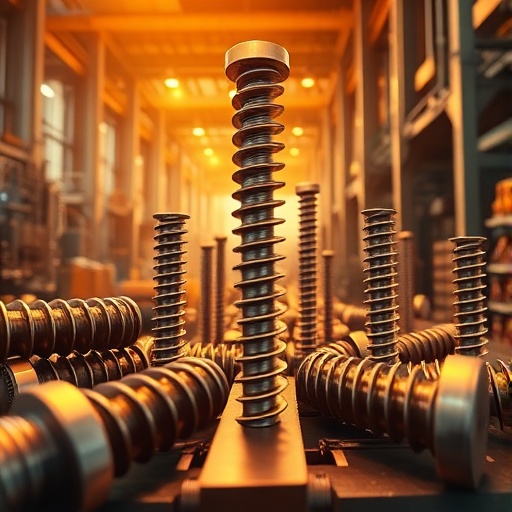
Steel alloys dominate custom feed screw construction for their strength and machinability in high-wear environments. Tool steels, hardened to withstand abrasion, excel in injection molding where plastics grind against screw flights. Stainless variants suit corrosive settings, like chemical extrusion, preventing degradation over time. For extreme heat, nickel-based superalloys provide thermal stability, ensuring consistent performance in barrels reaching 300°C. Titanium offers lightweight options for aerospace applications, balancing durability with reduced inertia for faster cycles. Polymer coatings on base metals enhance lubricity, minimizing friction and boosting efficiency in material handling. Custom manufacturers in America select materials based on client needs, such as food-grade certifications for juice processing screws. Composite materials emerge for low-wear scenarios, combining metals with ceramics to extend life spans. Each choice impacts productivity: harder materials resist wear, allowing longer runs without interruptions. Designers weigh factors like cost, weight, and compatibility with specific resins or powders. Advanced alloys now incorporate self-lubricating properties, further cutting maintenance and elevating output.
In extrusion, bimetallic constructions—steel cores with hardened outer layers—deliver dual benefits of toughness and surface resistance. This layered approach maximizes screw longevity, directly tying to sustained productivity gains.
Designing for Efficiency: Shape and Size
Shape profoundly influences custom feed screw efficiency, with helical flights dictating material compression and advancement. Deep-channel designs suit high-volume feeding in screw conveyors, promoting smooth flow without backups. Variable pitch screws accelerate material through zones, optimizing melt in injection molding for quicker cycles. Size matters too; diameter matches barrel specs to eliminate dead spaces, ensuring full utilization and peak productivity. Engineers scale length to process requirements—longer screws for thorough mixing in extrusion, shorter for rapid throughput. Custom feed screws often feature tapered sections to build pressure gradually, preventing surges that damage molds. In America, design software simulates flow dynamics, refining shapes for minimal energy loss. For viscous materials like adhesives, wider flights reduce torque demands, easing motor strain. These tailored geometries enhance material handling, from uniform distribution in molding to consistent extrusion profiles. Productivity surges as optimized designs cut residence times, yielding higher yields and fewer defects. Balancing shape and size creates screws that adapt to fluctuating loads, maintaining efficiency across shifts.
Innovative rifling or barrier designs further refine flow, segregating melt and solids for superior homogeneity. Such details transform standard screws into productivity powerhouses.
Impact of Wear Resistance on Productivity
Wear resistance defines custom feed screw longevity, directly fueling uninterrupted productivity. Abrasive materials like glass-filled nylons erode standard screws quickly, but hardened surfaces—via nitriding or chrome plating—extend service by factors of five. In extrusion, wear on flights disrupts flow, causing uneven products and downtime; resistant designs maintain tolerances, preserving quality. Injection molding benefits from low-wear screws that keep barrel clearances tight, avoiding leaks and pressure drops. Custom manufacturers incorporate wear indicators, like measurable flight depths, for proactive maintenance. In America, advanced coatings like diamond-like carbon (DLC) slash friction, reducing heat buildup and wear rates. This resilience translates to fewer changeouts, minimizing lost production hours. For screw conveyors in material handling, wear-proof alloys handle gritty loads, ensuring reliable transport. Overall, prioritizing wear resistance amplifies efficiency, as screws endure longer under duress, supporting 24/7 operations. Studies show resistant custom feed screws boost output by 20-40%, underscoring their economic value.
Regular inspections complement design, but inherent resistance remains the cornerstone for sustained productivity in demanding manufacturing landscapes.
Applications of Custom Feed Screws in Various Processes
Injection Molding and Its Requirements
Injection molding demands custom feed screws that deliver precise, metered shots of molten plastic into molds. These screws must generate high shear for uniform melting while avoiding overheating that degrades materials. Requirements include tight tolerances for barrel fit, ensuring no backflow during injection. Custom designs often feature decompression zones to vent gases, preventing defects like splay in finished parts. For multi-material molding, segmented screws switch feeds seamlessly, enhancing versatility. Productivity hinges on screw efficiency; optimized flights reduce cycle times from 30 to 20 seconds per shot. In America, manufacturers tailor screws for high-speed presses, handling everything from ABS to bio-resins. Material handling improves with anti-wear tips that withstand repeated plunges. Custom feed screws also integrate cooling channels to manage heat, maintaining consistent viscosity. This precision cuts scrap rates below 1%, vital for cost-sensitive runs. Applications span consumer goods to medical devices, where reliability ensures compliance and performance.
Engineers fine-tune compression ratios—typically 2:1 to 4:1—for specific polymers, unlocking molding potentials that generic screws overlook.
Extrusion Processes: Tailoring Feed Screws
Extrusion processes thrive on custom feed screws that build pressure progressively for flawless output. Tailoring involves adjusting flight depths to match die requirements, ensuring uniform extrudate like films or profiles. In blown film extrusion, screws with mixing sections homogenize resins, eliminating gels for clearer products. Custom designs handle high outputs, up to 1000 kg/hour, by optimizing shear heat distribution. For pipe extrusion, longer screws provide dwell time for full melting, preventing weak spots. Wear-resistant tailoring extends life in abrasive fills, maintaining efficiency over thousands of meters. American manufacturers excel in modular screws, allowing quick swaps for recipe changes. Material handling in twin-screw extruders uses intermeshing designs for superior compounding. Productivity rises as tailored screws minimize torque fluctuations, stabilizing line speeds. Applications include wire coating, where precise feeding coats conductors evenly, and sheet production for packaging.
Sustainability drives tailoring too, with energy-efficient profiles that lower melt temperatures, reducing utility costs in continuous operations.
Material Handling Solutions with Screw Conveyors
Screw conveyors revolutionize material handling by using custom feed screws to transport bulk solids horizontally or vertically. These screws, often enclosed in tubes, move powders or granules without spillage, ideal for food or chemical plants. Custom designs feature variable pitches for gentle handling of fragile items like cereal, preventing breakage. In America, manufacturers build corrosion-resistant screws for wet environments, such as juice processing lines conveying pulp. Efficiency stems from customizable inclines, reaching 45 degrees without slippage. Productivity benefits include automated feeding to downstream equipment, like hoppers in molding setups. Wear-resistant flights endure abrasive loads, like sand or minerals, extending intervals between rebuilds. Tubular screw conveyors offer dust-tight operation, enhancing safety in dusty mills. Custom lengths and diameters adapt to space constraints, optimizing factory layouts. These solutions cut manual labor, speeding transfers and reducing contamination risks.
Flexible screw conveyors add mobility, allowing reconfiguration for seasonal demands, further elevating material handling productivity.
Manufacturing Techniques for Custom Feed Screws
CNC Machining: Precision in Design
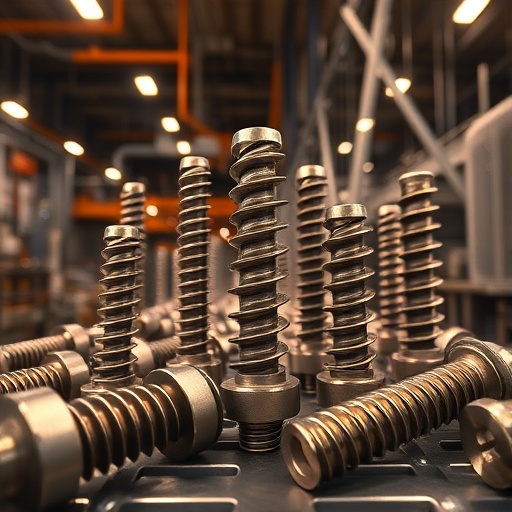
CNC machining elevates custom feed screw production by delivering micron-level accuracy in complex geometries. Multi-axis mills carve helical flights from solid billets, ensuring flawless profiles that enhance material flow. This technique allows intricate features, like barrier rings in injection screws, without post-processing distortions. Precision cuts reduce imbalances, minimizing vibration in high-speed extrusion. American manufacturers leverage CNC for rapid prototyping, iterating designs in days rather than weeks. Software integration simulates performance, refining cuts for optimal efficiency. In screw conveyors, CNC ensures uniform pitch, promoting even wear and longevity. The process supports diverse materials, from stainless to titanium, maintaining tolerances under ±0.01 mm. Productivity in manufacturing surges as CNC batches produce dozens of custom screws weekly, meeting tight deadlines. Quality shines through seamless surfaces that lower friction in barrels. This precision translates to end-user gains: smoother operations and fewer failures.
Advanced CNC with automation handles high-volume custom runs, blending artistry with industrial scale for superior feed screws.
Quality Control Measures in Production
Quality control permeates custom feed screw manufacturing, starting with raw material inspections for alloy purity. Ultrasonic testing detects internal flaws in billets, preventing weak points that could cause in-service failures. Dimensional checks via CMMs verify flight heights and root diameters, ensuring compatibility with barrels. Hardness testing confirms wear resistance post-heat treatment, targeting Rockwell values above 60. In America, ISO-certified manufacturers implement statistical process control, monitoring variances to sustain 99.9% defect-free rates. Functional trials simulate extrusion or molding loads, measuring torque and output consistency. Surface finish assessments guarantee low Ra values for reduced friction. For screw conveyors, balance tests eliminate vibrations that erode productivity. Traceability systems log every step, aiding audits in regulated industries like pharma. These measures minimize recalls, protecting client investments. Ultimately, rigorous QC builds trust, as custom feed screws perform reliably, driving enhanced manufacturing efficiency.
Non-destructive evaluations, like dye penetrant, catch surface cracks early, fortifying the production pipeline against compromises.
Inventory Management for Custom Screws
Inventory management for custom screws balances just-in-time delivery with stock readiness, optimizing manufacturer responsiveness. Segregated storage by material type prevents cross-contamination, crucial for food-grade applications. RFID tracking monitors components like flights and shafts, streamlining assembly for urgent orders. In America, lean practices forecast demand via client data, minimizing excess while ensuring quick turns. Modular inventory—pre-machined blanks—speeds customization, cutting lead times from months to weeks. For injection molding clients, dedicated bins hold common sizes, ready for tweaks. This approach boosts productivity by avoiding stockouts during peak seasons. Digital systems integrate with ERP, forecasting based on industry trends like rising extrusion needs. Waste reduces through FIFO rotation, preserving material integrity. Custom feed screw inventories also include spares kits, empowering on-site repairs. Effective management aligns supply with demand, fostering long-term partnerships and operational fluidity.
Seasonal buffering for high-wear parts, like conveyor screws, ensures availability, supporting uninterrupted client production.
Future Trends in Custom Feed Screw Design

Innovations in Material Usage
Innovations in material usage propel custom feed screw design toward smarter, tougher compositions. Nanocomposites blend polymers with carbon nanotubes, offering lightweight strength for high-efficiency extrusion. Self-healing metals, infused with microcapsules, repair wear scratches autonomously, extending life in abrasive molding. Bio-based alloys from recycled sources gain traction, reducing environmental footprints without sacrificing performance. In America, research focuses on hybrid materials—ceramic-tipped steel—for superior heat dissipation in barrels. These advances enhance productivity by enabling higher speeds and temperatures. For screw conveyors, flexible composites handle dynamic loads, improving material handling versatility. 3D-printed metamaterials allow custom microstructures, tailoring stiffness zones for optimal flow. Wear resistance leaps with graphene coatings, slashing friction by 50%. Juice processing sees antimicrobial-infused screws, ensuring hygiene in food lines. These material shifts promise durable, efficient custom feed screws that adapt to evolving manufacturing demands.
Adaptive alloys that change properties under stress open doors to multifunctional designs, revolutionizing productivity paradigms.
Sustainability in Manufacturing Practices
Sustainability shapes custom feed screw manufacturing by prioritizing eco-friendly processes and recyclable designs. Water-based heat treatments replace hazardous chemicals, cutting emissions in CNC operations. Energy-efficient machining reduces power draw by 25%, aligning with green standards. American manufacturers adopt circular economies, remanufacturing worn screws to extend lifecycles and conserve resources. Biodegradable lubricants in production minimize waste, while solar-powered facilities lower carbon footprints. Custom designs optimize material use, reducing scrap in extrusion setups. For injection molding, lightweight screws cut transport emissions. Screw conveyors evolve with modular parts for easy disassembly and recycling. Sustainability boosts productivity indirectly—efficient processes lower costs and attract eco-conscious clients. Certifications like ISO 14001 guide practices, ensuring compliance. Future-proofing involves designs that support recycled feedstocks, closing loops in plastics manufacturing.
Carbon-neutral sourcing for alloys further embeds sustainability, driving industry-wide shifts toward responsible innovation.
The Role of Technology in Enhancing Feed Screw Efficiency
Technology transforms custom feed screw efficiency through AI-driven simulations predicting wear patterns before production. IoT sensors embedded in screws monitor real-time performance, alerting to imbalances in molding lines. Additive manufacturing enables complex internal cooling channels, stabilizing temperatures for consistent extrusion. In America, digital twins virtualize screw behavior, accelerating design iterations. Machine learning optimizes flight geometries for specific materials, boosting throughput by 15%. For material handling, smart screw conveyors integrate with PLCs for automated speed adjustments. AR tools aid on-site installations, reducing setup errors. These tech integrations enhance productivity by enabling predictive maintenance, averting breakdowns. Custom feed screws now feature embedded diagnostics, feeding data back to manufacturers for continuous improvements. In juice extraction, sensor-equipped screws fine-tune pressures for maximal yield. Overall, technology elevates designs from static to dynamic, ensuring peak efficiency in demanding applications.
Blockchain for supply chain transparency ensures material authenticity, further refining tech's role in reliable, high-performing screws.
See Also
- Innovative Solutions for Wear Resistance in Custom Feed Screws
- Boosting Conveyor Performance with Tailored Feed Screw Designs
- Unlocking Efficiency with Custom Feed Screws in Injection Molding
- How Custom Feed Screws Revolutionize Material Handling in Manufacturing
- The Evolution of Custom Feed Screws in the American Manufacturing Landscape