The Art of Precision Angles in 5 Axis Laser Cutting
Understanding 5 Axis Laser Cutting Technology
The Mechanics of 5 Axis Systems
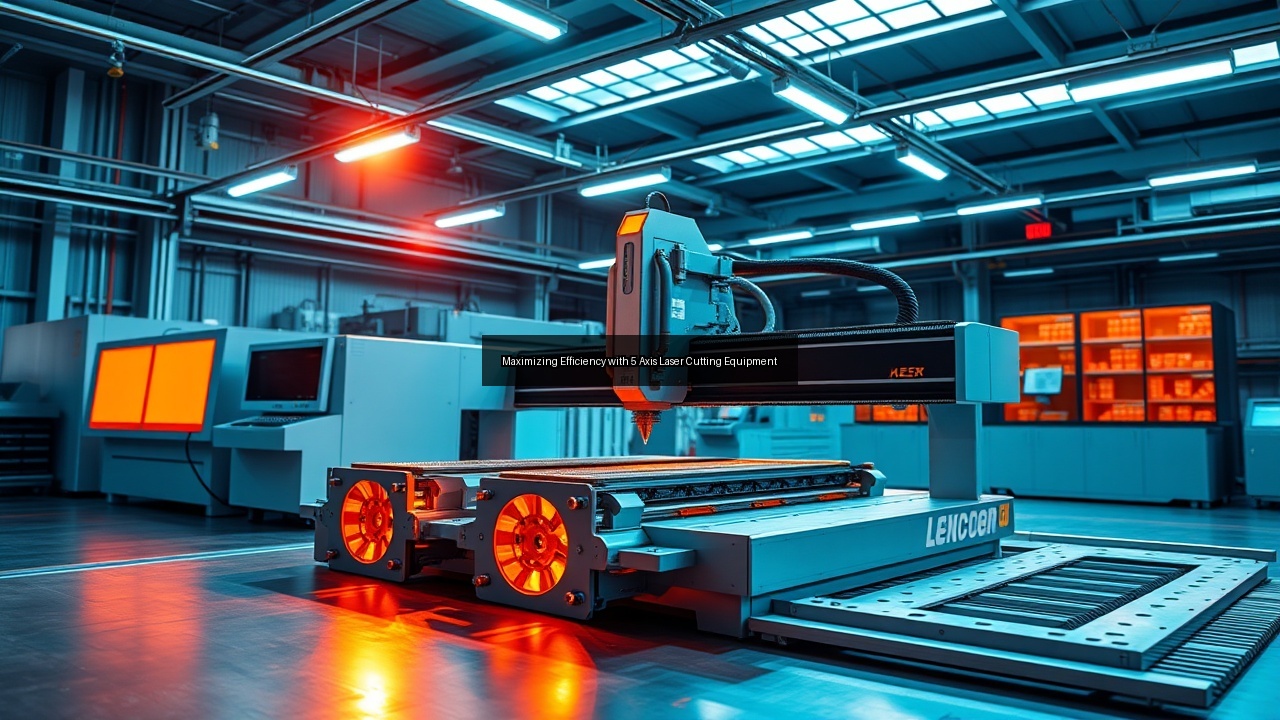
5 axis laser cutting technology revolutionizes metal fabrication by enabling laser cutters to operate on multiple planes simultaneously. Unlike traditional 2D or 3D systems, 5 axis machines can tilt and rotate along five distinct axes. This capability allows for intricate designs and precision cuts that are nearly impossible with other methods. The primary axes include the X, Y, and Z planes, which manage horizontal and vertical movements, and two additional rotational axes that allow the laser to approach the material from various angles. This multi-dimensional approach enhances versatility and accuracy, making the technology suitable for complex geometries and detailed engravings. The advanced mechanics of these systems depend on high-performance laser sources, such as diode lasers, which produce clean, focused beams ideal for penetrating metal surfaces. By integrating CNC machining with 5 axis laser cutting, operators achieve unparalleled control over the cutting process, resulting in superior quality and reduced operational costs.
Advantages of 5 Axis Over Traditional Laser Cutting
The advantages of 5 axis laser cutting extend far beyond mere convenience. The ability to manipulate angles provides greater flexibility in design and execution, allowing for cuts that follow the contours of the material rather than just flat surfaces. This adaptability can significantly reduce the need for secondary processes like stamping or welding, streamlining production workflows. Furthermore, the precision achieved with 5 axis systems minimizes material waste, as operators can optimize the layout of parts on the raw material, maximizing the usable area. High precision laser cutting also ensures that edges remain smooth and free from burrs, which can be a common issue with traditional methods. Additionally, 5 axis systems often operate at higher speeds, contributing to faster turnaround times for projects. The cumulative benefits result in lower costs for businesses, making it an attractive option for both small-scale workshops and large industrial laser cutting services.
Applications in Metal Fabrication
5 axis laser cutting finds extensive applications in the metal fabrication sector, addressing the diverse needs of industries ranging from aerospace to HVAC. In aerospace, manufacturers require components that meet strict weight and strength specifications; 5 axis technology allows for the production of lightweight parts with complex geometries. In the HVAC industry, precision-cut ducts and fittings ensure efficient airflow and energy use. Additionally, automotive manufacturers leverage 5 axis laser cutting for producing intricate components that enhance vehicle performance and aesthetics. The technology also plays a crucial role in metal spinning and custom metalwork, where intricate shapes and designs demand high precision. Overall, the application of 5 axis laser cutting continues to expand as industries seek innovative solutions for their fabrication challenges.
Precision in Angle Management
Importance of Angles in Laser Cutting
Angles play a critical role in the efficacy of laser cutting, particularly in 5 axis systems. The ability to adjust angles provides operators with greater control over the cutting beam, allowing for precise engagement with the material. This precision is essential for achieving clean cuts and maintaining the integrity of the edges. When the laser approaches the material at the optimal angle, it reduces the risk of burn marks or excessive heat distortion, which can compromise the quality of the finished product. Moreover, precision in angle management enhances the overall efficiency of the cutting process, enabling manufacturers to produce intricate designs while minimizing errors. In applications where fit and finish are paramount, such as in metal fabrication for custom parts, the importance of angles cannot be overstated. The meticulous control afforded by 5 axis technology ensures that each component meets exact specifications.
Techniques for Achieving High Precision
Achieving high precision in 5 axis laser cutting requires a combination of advanced machinery and skilled operators. Calibration of the laser cutter is crucial; it ensures that the machine operates within its specified tolerances, which is vital for precision work. Operators often employ techniques such as real-time monitoring of cutting parameters, including speed, power, and feed rate, to maintain optimal performance. 5 axis cnc laser cutting Additionally, utilizing software that simulates cuts can help identify potential issues before actual cutting begins, allowing for adjustments to be made proactively. Another effective technique involves using multiple passes with varying power settings; this approach can enhance cut quality and accuracy, particularly with thicker materials. Regular maintenance of the laser cutter, including lens cleaning and alignment checks, further supports precision and prolongs the lifespan of the equipment. Ultimately, these techniques collectively contribute to the high standards expected in modern metal fabrication.
Impact on Material Quality and Finish
The impact of precision angles in laser cutting directly influences material quality and finish. When a laser cutter operates with high precision, it produces smoother edges and cleaner cuts. This quality is particularly noticeable in projects that require tight tolerances, where even minor imperfections can lead to significant issues during assembly. For instance, parts designed for welding or assembly must fit together seamlessly, and any deviations can result in costly rework or scrap. Moreover, the finish of the cut surface can affect subsequent processes like painting or coating; smoother surfaces adhere better to finishes, enhancing durability and appearance. The precision provided by 5 axis laser cutting minimizes the need for secondary processes, such as sanding or grinding, further preserving the integrity of the material. As industries increasingly demand high-quality outputs, the role of precision angles in achieving optimal material quality cannot be overlooked.
Materials and Their Compatibility
Best Metals for 5 Axis Laser Cutting
5 axis laser cutting excels with a variety of metals, but certain materials yield the best results. Mild steel, for instance, is highly compatible due to its relatively low melting point and excellent cutting characteristics. Aluminum, with its lightweight and corrosion-resistant properties, also responds well to laser cutting, allowing for intricate designs and finishes. Stainless steel is another favored material, known for its strength and aesthetic appeal. It can withstand high temperatures during the cutting process without losing structural integrity. Other metals, such as copper and brass, can be cut effectively, although they may require specific laser settings to achieve optimal results. The choice of metal significantly influences the cutting parameters, including power settings and speed, making it essential for operators to understand the properties of each material to ensure successful cuts.
Working with Stainless Steel and Other Alloys
Stainless steel stands out as a prime material for 5 axis laser cutting due to its versatility and durability. Various grades of stainless steel can be cut with precision, enabling manufacturers to create components for diverse applications, from automotive to medical equipment. When working with stainless steel, operators must consider factors such as thickness and alloy composition, as these elements can affect cutting speed and quality. The use of nitrogen as an assist gas enhances the cutting process by reducing oxidation and improving edge quality. Other alloys, like titanium and Inconel, also present unique challenges due to their hardness and thermal properties. These materials often require specialized laser settings and techniques to achieve the desired results. Understanding the specific characteristics of each alloy ensures that operators can adapt their processes accordingly, maintaining high levels of precision and finish.
Challenges in Cutting Different Materials
While 5 axis laser cutting offers numerous advantages, challenges exist when cutting various materials. Harder metals, like titanium or certain high-strength steels, can strain the laser cutter, requiring more power and resulting in increased wear on the equipment. Additionally, thicker materials may necessitate slower cutting speeds, leading to potential heat buildup and distortion. Operators must also address issues related to reflectivity; materials like copper can reflect laser beams, complicating the cutting process. Each type of material demands its own set of settings and adjustments, and failure to accommodate these can lead to poor quality cuts or equipment damage. Furthermore, operators must be vigilant about safety precautions, as cutting certain metals can release harmful fumes. Adapting to these challenges is vital for maximizing the capabilities of 5 axis laser cutting technology in metal fabrication.
Future Trends in 5 Axis Laser Cutting
Emerging Technologies and Innovations
The future of 5 axis laser cutting technology looks promising, with emerging innovations set to enhance capabilities further. Recent advancements in laser technology, including the development of fiber lasers, provide greater efficiency and cutting speed. These lasers offer improved beam quality and energy efficiency, making them increasingly popular in metalworking. Innovations in software applications have also significantly impacted the industry, allowing for more sophisticated simulations and real-time adjustments. Operators can leverage artificial intelligence and machine learning to optimize cutting parameters based on historical data and material properties. As manufacturers seek to improve efficiency and reduce costs, these innovations play a crucial role in driving the evolution of 5 axis laser cutting. The continuous integration of new technologies will enable even more complex designs and efficient production methods, setting the stage for the future of metal fabrication.
The Role of CNC Machining in Metalwork
CNC machining complements 5 axis laser cutting, enhancing overall efficiency in metalwork. Both technologies work together to create intricate designs and high-precision components. CNC machines can perform processes like drilling, milling, and turning, allowing for a comprehensive approach to fabrication. By integrating CNC machining with laser cutting, manufacturers can produce finished products in fewer steps, reducing lead times and material waste. The synergy between these technologies facilitates the creation of complex assemblies that require multiple operations. As industries continue to demand higher precision and efficiency, the collaboration of 5 axis laser cutting and CNC machining will become increasingly vital in the metal fabrication landscape.
Sustainability in Industrial Laser Cutting Services
Sustainability has emerged as a central focus in the realm of industrial laser cutting services. As manufacturers strive to reduce their environmental footprint, 5 axis laser cutting offers several advantages. The precision of laser cutting minimizes waste by optimizing material usage, while the efficiency of laser systems reduces energy consumption. Additionally, advancements in laser technology promote cleaner operations, as modern laser systems generate fewer emissions compared to traditional cutting methods. Industries are also exploring recyclable materials and sustainable practices in their production processes. By adopting eco-friendly materials and efficient cutting techniques, manufacturers can contribute to sustainability while maintaining quality and performance. The future of metal fabrication will likely see a stronger emphasis on sustainability, with 5 axis laser cutting at the forefront of this movement.
See Also
- Maximizing Efficiency in HVAC with 5 Axis Laser Cut Components
- Understanding the Specifications That Drive 5 Axis Laser Performance
- 5 Axis Laser Cutting vs Stamping Which is Best for Your Project
- From Concept to Creation 5 Axis Laser Cutting in Metalwork
- 5 Axis Laser Cutting for the Next Generation of Industrial Fabrication