The Essential Guide to Choosing the Right Plate Beveling Machine
Understanding Plate Beveling Machines
What Are Plate Beveling Machines?
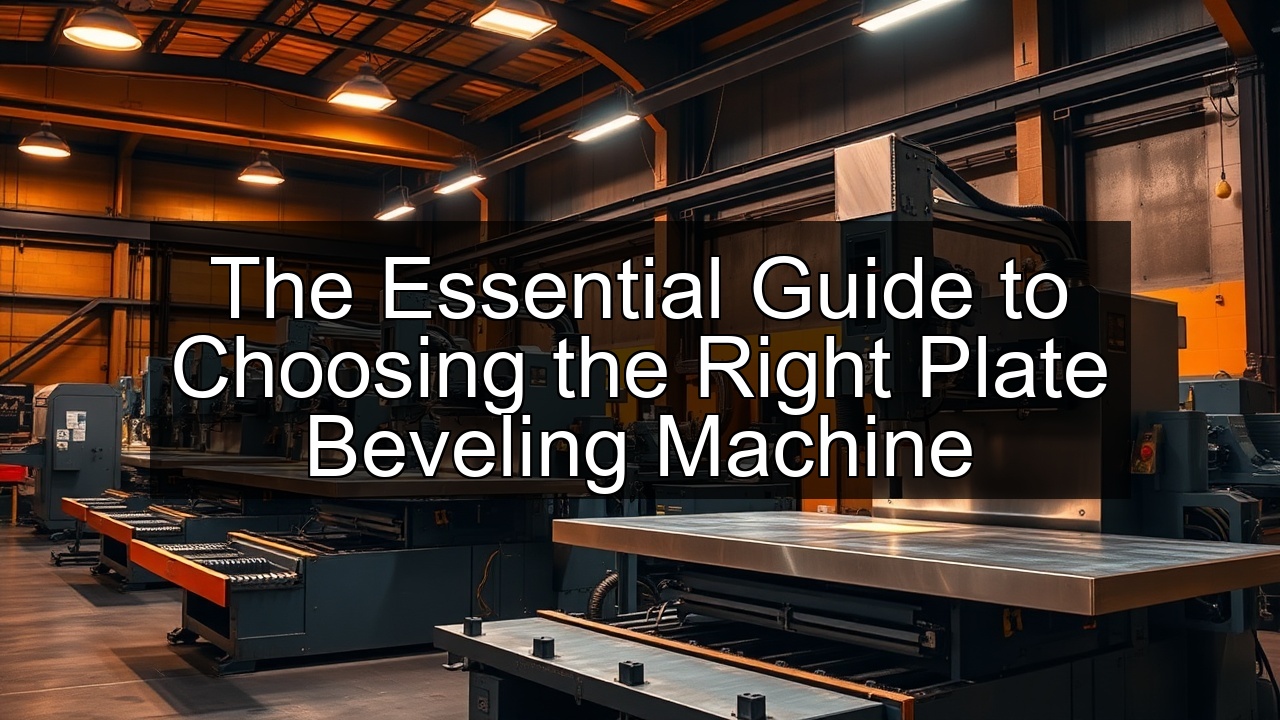
Plate beveling machines stand as vital tools in the metalworking industry, designed specifically to create precise angled edges on metal plates. These machines, often called bevel plate machines or plate bevelers, use specialized cutting tools to shape the edges of thick metal sheets, preparing them for welding or assembly processes. Workers rely on beveler machines to achieve clean, uniform bevels that ensure strong welds and seamless joints in structures like pipelines, ship hulls, and heavy machinery components. In essence, a plate beveling machine integrates robust machine tools with advanced cutting mechanisms to handle various metal thicknesses, from mild steel to stainless alloys. Manufacturers offer models like the MPB series, which feature interchangeable cutting heads for different bevel angles, typically ranging from 0 to 45 degrees. This versatility makes plate beveling machines indispensable for fabricators who demand efficiency without sacrificing accuracy. Beyond basic edge preparation, these machines often include features for plate edge beveling, allowing operators to customize profiles for specific project needs. As metalworking evolves, modern plate beveling machines incorporate durable components that withstand high-volume production, reducing downtime and boosting productivity in workshops worldwide.
The Importance of Beveling in Metalworking
Beveling plays a crucial role in metalworking by enhancing the quality and integrity of welds, ensuring that metal plates join securely without defects. Without proper beveling, raw edges on metal plates lead to weak welds prone to cracking under stress, compromising the safety of fabricated products like bridges or pressure vessels. Skilled metalworkers use beveling to remove material at an angle, creating a V-shaped groove that allows weld filler to penetrate deeply and fuse layers effectively. This process not only strengthens joints but also minimizes the risk of inclusions or porosity in welds. In high-stakes industries such as aerospace and oil and gas, precision beveling directly impacts structural reliability and compliance with standards like ASME or ISO. Plate beveling machines streamline this essential step, transforming time-consuming manual grinding into a fast, repeatable operation. By preparing edges consistently, these tools reduce post-weld cleanup and material waste, saving costs for manufacturers. Moreover, beveling facilitates smoother transitions in multi-layer assemblies, vital for large-scale metal projects. Ultimately, integrating beveling into metalworking workflows elevates overall craftsmanship, as seen in applications from automotive parts to architectural steelwork, where flawless welds define success.
Types of Plate Beveling Machines
Manual vs. Automatic Plate Bevelers
Manual plate bevelers offer hands-on control for smaller shops or custom jobs, where operators guide the tool along metal edges using physical force and skill. These beveler machines suit low-volume tasks, providing affordability and portability without the need for complex setups. In contrast, automatic plate bevelers revolutionize efficiency in busy environments, automating the beveling process with motorized drives and programmable controls. Workers set parameters like speed and angle, then let the machine handle repetitive cuts on large metal plates, ideal for production lines. Automatic models, such as those in the machinery for plate beveling category, integrate sensors for consistent results, minimizing human error and fatigue. While manual versions excel in tight spaces or field repairs, automatic plate bevelers dominate industrial settings, processing thicker metals faster and with greater precision. For instance, transitioning from manual to automatic can double output in weld preparation tasks, as the latter maintains steady pressure and alignment. Both types serve metalworking needs, but choosing depends on scale—manual for versatility, automatic for speed and volume in plate edge beveling operations.
Heavy Duty vs. Industrial Beveling Machines
Heavy duty beveling machines tackle demanding applications, built with reinforced frames and powerful motors to bevel thick metal plates up to several inches deep. These robust tools shine in construction and shipbuilding, where durability meets high-torque cutting for tough alloys like carbon steel. Industrial beveling machines, however, scale up for factory-scale operations, featuring modular designs that integrate into assembly lines for continuous plate beveling. They handle extreme volumes, often with coolant systems to prevent overheating during prolonged runs. Heavy duty models prioritize ruggedness for on-site use, while industrial variants emphasize integration with other machine tools for seamless workflows. In metalworking, heavy duty beveling machines reduce setup time for mobile teams, whereas industrial ones optimize throughput in fixed installations. Brands design these machines to withstand vibration and debris, ensuring reliable performance on welds and edges. For projects involving heavy metals, such as offshore platforms, selecting the right type prevents bottlenecks, as heavy duty options offer portability without sacrificing power, and industrial machines deliver precision at scale for precision plate beveling machines demands.
High Speed and Precision Plate Beveling Machines
High speed plate beveling machines accelerate production by combining rapid cutting rates with advanced tooling, ideal for time-sensitive metalworking projects. These bevel plate machines employ high-RPM spindles and sharp carbide inserts to slice through metal swiftly, achieving bevels in fractions of the time traditional methods require. Precision plate beveling machines, on the other hand, focus on exact tolerances, using CNC controls and laser-guided systems to create angles within microns. Fabricators value this accuracy for applications demanding flawless welds, like medical equipment or turbine components. High speed models boost efficiency in high-volume shops, often incorporating dust extraction to maintain clean work areas. Precision variants shine in custom fabrication, where minute adjustments ensure perfect edge profiles for seamless assemblies. Both types advance plate beveler technology, with high speed options suiting general manufacturing and precision machines catering to specialized needs. Integrating these into workflows enhances overall metal processing, as operators achieve superior results without compromising speed or quality in diverse scenarios from automotive to renewable energy sectors.
Key Features to Consider
Machine Tool Specifications
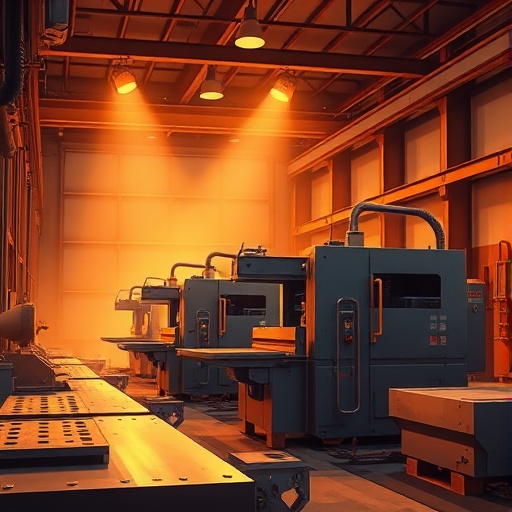
Machine tool specifications define the core performance of plate beveling machines, including power ratings, bevel angle ranges, and cutting depths that match specific metalworking demands. Look for models with variable speed controls, typically from 1,000 to 5,000 RPM, to adapt to different metals like aluminum or hardened steel. Bevel capacity often spans 10 to 50 mm depths, crucial for preparing welds on thick plates. Reputable brands specify tool compatibility, such as quick-change systems for various inserts, reducing downtime during tool swaps. Evaluate motor horsepower—aim for at least 2 HP in heavy duty beveling machines to handle industrial loads without strain. Additional specs like weight and dimensions influence portability; lighter units under 50 kg suit mobile teams, while stationary ones anchor in workshops. These details ensure the machine tool aligns with your workflow, preventing underpowered equipment from slowing production. In selecting beveler machines, cross-reference specs against project needs to optimize for efficiency and longevity in plate beveling tasks.
Deburring Capabilities
Deburring capabilities in plate beveling machines elevate finish quality by removing burrs and sharp edges post-cut, streamlining the path to pristine welds. Integrated deburring tools, often oscillating or rotary brushes, smooth metal surfaces without secondary operations, saving time in metalworking pipelines. Advanced models feature adjustable deburring depths, allowing customization for delicate or heavy metals to avoid material distortion. This function proves essential for industries like pharmaceuticals, where smooth edges prevent contamination in assemblies. Look for machines with combined beveling and deburring stations, which process plates in one pass, boosting throughput. Effective deburring also enhances safety by eliminating hazards on handled metal pieces. In practice, machines with vacuum-assisted deburring collect chips efficiently, maintaining clean environments. When evaluating bevel plate machines, prioritize those with robust deburring options to achieve professional-grade results, reducing manual finishing and ensuring welds bond flawlessly across applications from structural steel to precision components.
Automation Options
Automation options transform plate beveling machines into smart assets, enabling hands-free operation through features like robotic arms or PLC interfaces. These systems allow programming of bevel patterns, speeds, and sequences, ideal for repetitive tasks in industrial beveling machines. Basic automation includes auto-feed mechanisms that guide plates through the cutting zone, minimizing operator intervention and errors. For high-volume metalworking, full automation integrates with CAD software, generating precise bevels from digital designs. Benefits extend to consistency—automated controls maintain uniform angles across batches, vital for quality welds. Safety enhancements, such as emergency stops and sensors, come standard in automated bevelers. Consider scalability; entry-level automation suits small shops, while advanced setups thrive in large facilities. Brands offer modular automation kits, letting users upgrade as needs grow. Embracing these options in machinery for plate beveling not only accelerates production but also frees skilled workers for complex tasks, revolutionizing efficiency in modern fabrication environments.
Brand Reputation and Reliability
Brand reputation and reliability anchor your investment in plate beveling machines, as trusted names deliver consistent performance backed by proven track records. Established brands like Gullco International earn acclaim for innovative designs and durable construction, minimizing breakdowns in demanding metalworking scenarios. Reliability shows in user reviews, warranty lengths—often 2-5 years—and global service networks that ensure quick parts access. Avoid fly-by-night suppliers; opt for those with ISO certifications, signaling adherence to quality standards. In the beveler machines market, brands with extensive SKU offerings provide tailored solutions, from portable units to heavy duty models. Reliability translates to uptime; machines from reputable brands feature superior components like hardened gears and sealed bearings to resist wear. Customer support, including training and troubleshooting resources, further solidifies a brand's value. When choosing, research case studies where brands excelled in industrial applications, confirming their edge in precision and longevity for plate edge beveling machines.
Choosing the Right Plate Beveling Machine for Your Needs
Assessing Your Metalworking Requirements
Assessing metalworking requirements starts with mapping your project's scale, metal types, and production volume to pinpoint the ideal plate beveling machine. Consider plate thickness—thinner sheets under 10 mm favor lightweight bevelers, while heavy plates demand industrial beveling machines with deep cutting capacities. Evaluate workflow: batch processing benefits from automatic plate bevelers, whereas custom jobs suit manual precision tools. Factor in environment—portable units excel in field metalworking, but fixed setups optimize shop efficiency. Budget plays a role; entry-level models handle basic welds, but advanced ones justify costs through speed gains. Analyze daily output needs; high-volume operations require high speed plate beveling machines to meet deadlines. Include team expertise—automation eases training for novices, while manual controls empower veterans. By auditing these elements, you align machine selection with goals, ensuring seamless integration into operations like pipeline fabrication or structural steelwork, where mismatched tools lead to inefficiencies and rework.
Evaluating Machine Tools and SKUs
Evaluating machine tools and SKUs involves scrutinizing product catalogs to match specifications with your beveling demands. SKUs detail variations like power sources—electric, pneumatic, or hydraulic—tailored to shop utilities. Examine tool compatibility; versatile chucks accommodate multiple inserts for diverse bevel angles and metal grades. Compare cutting widths and speeds across SKUs to ensure they cover your range, from fine precision work to rough heavy duty beveling. User manuals and spec sheets reveal nuances, such as noise levels or power consumption, impacting operational costs. Test demos or rentals validate performance on your metals, confirming smooth welds post-bevel. Brands organize SKUs by series, like MPB for portable options, aiding targeted searches. This thorough review prevents overspending on unused features, securing machine tools that enhance productivity. In the end, the right SKU combination streamlines plate beveling, delivering reliable results for everything from small repairs to large-scale manufacturing.
Comparing Brands: Gullco International and Others
Comparing brands like Gullco International and others reveals distinct strengths in plate beveling machines, guiding informed purchases. Gullco International stands out for its engineered reliability, offering bevelers with patented tracking systems for straight, consistent edges on uneven metals. Their lineup includes versatile models for weld prep, praised for ease of use and minimal vibration. Competitors like Lincoln Electric emphasize heavy duty beveling machines with high-torque drives, suiting rugged industrial environments. Wegmann or Sumner provide affordable alternatives, focusing on portability for on-site metalworking. Assess factors like part availability—Gullco's global network ensures fast support, unlike some budget brands with delays. User feedback highlights Gullco's durability in high-volume settings, while others excel in specialized niches like precision plate beveling machines. Price points vary; premium brands justify costs with longevity, but entry-level options from H&M or Eastwood fit tight budgets. Weigh these against your needs—Gullco for innovation, others for cost-effectiveness—to select a brand that elevates your tools and welds.
Maintenance and Best Practices
Routine Maintenance Tips for Longevity
Routine maintenance tips for plate beveling machines extend their lifespan and maintain peak performance in metalworking tasks. Daily, clean cutting heads and tracks to remove metal shavings, preventing buildup that dulls tools or causes misalignment. Lubricate moving parts weekly with manufacturer-recommended oils, focusing on bearings and guides to reduce friction and wear. Inspect belts and hoses monthly for cracks, replacing them promptly to avoid mid-job failures. Calibrate bevel angles quarterly using test plates, ensuring accuracy for quality welds. Store machines in dry areas to combat rust, especially after deburring operations that generate moisture. Track usage logs to schedule professional servicing, typically every 500 hours, covering motor checks and alignment. These habits minimize downtime, as a well-maintained beveler processes metals efficiently without interruptions. Operators who follow these tips report machines lasting over a decade, maximizing ROI on investments in bevel plate machines and automation features.
Troubleshooting Common Issues
Troubleshooting common issues in plate beveling machines restores functionality quickly, keeping metalworking on track. If the machine vibrates excessively, check for loose mounts or unbalanced tools—tighten fasteners and balance inserts to stabilize operation. Uneven bevels often stem from dull cutters; sharpen or replace them immediately to regain precision for welds. Overheating signals overload or poor ventilation—reduce feed rates and clear dust ports to cool the system. Electrical glitches, like intermittent power, require fuse inspections and cord checks for damage. For automatic plate bevelers, software errors demand reset procedures or firmware updates from the brand. Noisy gears indicate lubrication shortages; apply grease and monitor for wear. Document issues in logs to spot patterns, preventing recurrence. With basic tools and manuals, most problems resolve on-site, ensuring beveler machines deliver consistent results in high speed or heavy duty applications without extensive downtime.
Enhancing Efficiency in Plate Beveling
Enhancing efficiency in plate beveling involves strategic practices that optimize machine use and workflow integration. Train operators on quick setups to slash preparation time, focusing on tool changes and alignment for faster starts. Implement batch processing to maximize throughput, grouping similar metals for uninterrupted runs on industrial beveling machines. Integrate deburring and beveling in single-pass modes to eliminate extra steps, streamlining paths to flawless welds. Use digital monitoring for real-time adjustments, catching inefficiencies early in precision plate beveling machines. Organize workspaces with dedicated zones for tools and materials, reducing search times. Adopt ergonomic aids like adjustable stands to sustain operator focus during long shifts. Regular audits of machine performance reveal bottlenecks, prompting upgrades like automation options for hands-free gains. These enhancements not only speed up plate edge beveling but also cut waste and errors, elevating overall productivity in metal fabrication from small shops to large enterprises.
See Also
- Heavy-Duty Beveling Machines That Transform Your Workshop Efficiency
- Discover the Future of Welding with Advanced Plate Beveling Machines
- How Plate Beveling Machines Enhance the Quality of Welds
- The Top Brands in Industrial Beveling Machines You Need to Know
- Exploring the Benefits of Heavy-Duty Beveler Machines for Tough Jobs