The Role of Cleanrooms in Ensuring Quality for Molded Medical Devices

Understanding Cleanrooms and Their Importance in Medical Device Manufacturing
Definition and Purpose of Cleanrooms
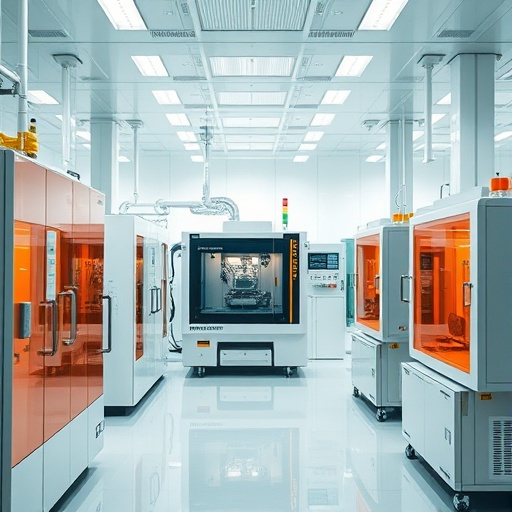
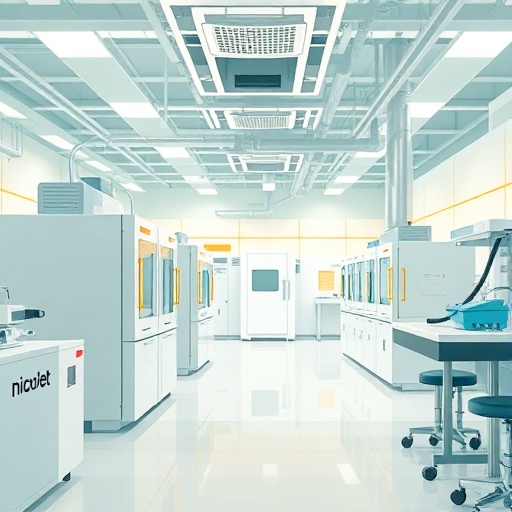
Cleanrooms serve as controlled environments that minimize airborne particles, dust, and contaminants to protect sensitive manufacturing processes. In medical device plastic molding, these spaces prevent impurities from compromising product integrity, especially for items like implants and prostheses. Manufacturers rely on cleanrooms to maintain sterile conditions during injection molding, ensuring that medical-grade plastics meet rigorous standards. Without cleanrooms, even minor contamination could lead to infections or device failures in healthcare settings. Cleanroom design incorporates high-efficiency particulate air (HEPA) filters, positive pressure systems, and specialized garments for workers to achieve this purity. For medical device manufacturers like Nicolet Plastics, cleanrooms form the backbone of operations, enabling the production of diagnostic equipment and laboratory tools that patients trust. These facilities directly influence the quality of molded medical devices, reducing risks associated with fluid or liquid exposure in applications like syringes or catheters. By isolating production from external pollutants, cleanrooms uphold the precision required in medtech, where a single particle can jeopardize biocompatibility.
Overview of ISO 14644 Standards
ISO 14644 standards define the classification, operation, and monitoring of cleanrooms based on particle concentration limits. This international framework guides medical device manufacturing by specifying cleanliness levels from ISO 1 to ISO 9, with lower numbers indicating stricter controls. In plastic injection molding for medical devices, adherence to ISO 14644 ensures consistent air quality, crucial for handling biocompatible materials. Manufacturers test air samples regularly to verify compliance, adjusting ventilation and filtration as needed. For instance, ISO 7 or ISO 8 cleanrooms suit many molded medical devices, balancing cost and efficacy. These standards also cover testing methods, like particle counters, to validate cleanroom performance. Nicolet Plastics, a leader in medical plastic molding, integrates ISO 14644 protocols to produce injection-molded components for laboratory equipment. Compliance with these guidelines minimizes infection risks and supports overall medical manufacturing excellence. Engineers design cleanrooms to meet or exceed these specs, fostering reliability in producing everything from overmolding assemblies to complex healthcare devices.
Types of Cleanrooms in Medical Device Production
Cleanrooms vary by design and application, with hard-wall, soft-wall, and modular types dominating medical device production. Hard-wall cleanrooms use rigid panels for maximum isolation, ideal for high-stakes plastic molding of class III medical devices like implants. Soft-wall versions employ flexible curtains, offering flexibility for smaller-scale medical plastic molding operations. Modular cleanrooms assemble quickly, suiting expanding medtech firms. In medical device plastic molding, ISO-classified cleanrooms dominate, tailored to specific needs like insert molding for diagnostic equipment. Positive pressure cleanrooms expel contaminants outward, protecting sensitive plastics during injection processes. Negative pressure setups handle hazardous materials but appear less in standard medical manufacturing. Companies like Nicolet Plastics deploy hybrid cleanroom types to optimize workflows, ensuring sterile environments for TPEs and other medical-grade plastics. Each type addresses unique challenges, from airflow control to maintenance, ultimately safeguarding product quality in molded plastic medical devices.
The Impact of Cleanroom Environments on Molded Medical Devices

Infection Control and Sterilization Processes
Cleanroom environments play a pivotal role in infection control by limiting microbial growth during medical device plastic molding. Strict protocols, including gowning and airlocks, bar entry of pathogens that could contaminate injection-molded parts. Sterilization processes like ethylene oxide or gamma radiation follow molding to eliminate any residual risks, ensuring devices remain safe for use in surgeries or diagnostics. In cleanrooms, controlled humidity and temperature prevent bacterial proliferation on surfaces, vital for fluid-handling medical equipment. Manufacturers monitor viable particles to maintain sterility assurance levels (SAL) at 10^-6, the gold standard for implants and prostheses. Nicolet Plastics exemplifies this by integrating real-time environmental controls in their cleanroom facilities, reducing infection risks in healthcare devices. These measures not only comply with FDA regulations but also enhance patient outcomes by preventing post-operative complications. Thorough validation of sterilization cycles ensures every molded component meets biocompatibility thresholds, underscoring cleanrooms' indispensable role in medtech safety.
Materials Used in Cleanrooms: PE, FEP, and Silicone
Cleanrooms demand materials that resist contamination while supporting medical device production, with polyethylene (PE), fluorinated ethylene propylene (FEP), and silicone leading the way. PE offers durability and chemical resistance, ideal for cleanroom flooring and barriers in plastic injection molding setups. FEP, a perfluoroalkoxy variant, provides exceptional purity and heat tolerance, used in tubing and seals to handle liquids without leaching contaminants. Silicone excels in flexible components like gaskets, maintaining cleanroom integrity under repeated sterilization. These materials prevent particle shedding, crucial for ISO 14644 compliance in medical manufacturing. In molded medical devices, PE suits packaging for diagnostic equipment, while FEP ensures fluid compatibility in catheters. Nicolet Plastics incorporates these in their processes, leveraging PE for robust enclosures and silicone for overmolding applications. By selecting medical-grade versions, manufacturers minimize risks of allergic reactions or degradation, enhancing the longevity of healthcare devices in laboratory settings.
Biocompatible Materials for Medical Devices
Biocompatible materials form the core of safe medical devices, tested under ISO 10993 to confirm they won't provoke adverse tissue reactions. In cleanroom-based plastic injection molding, these include medical-grade plastics that integrate seamlessly with human biology, such as those used in implants and prostheses. TPEs provide elasticity for flexible components, while polycarbonates offer transparency for diagnostic equipment. Cleanrooms ensure these materials remain uncontaminated during molding, preserving their biocompatibility profile. United States Pharmacopeia standards further validate their purity, especially for fluid-contact applications. Manufacturers like Nicolet Plastics prioritize biocompatible resins to meet FDA demands, producing injection-molded parts that withstand sterilization without compromising properties. This focus reduces infection risks and supports long-term device performance in medtech. By combining advanced materials with cleanroom precision, the industry advances toward more reliable healthcare solutions, from surgical tools to wearable monitors.
Key Processes in Plastic Injection Molding for Healthcare Devices
Injection Molding Techniques: Insert Molding and Overmolding
Insert molding and overmolding revolutionize plastic injection molding for healthcare devices by combining multiple materials into single, functional units. Insert molding embeds metal or plastic inserts into molten resin, creating strong hybrids for medical equipment like syringe barrels. Overmolding layers softer TPEs over rigid cores, enhancing grip and sealing in diagnostic tools. Cleanrooms amplify these techniques' precision, preventing defects in biocompatible assemblies. In medical device plastic molding, insert molding suits implants requiring mechanical strength, while overmolding excels in ergonomic handles for laboratory instruments. Nicolet Plastics masters these methods, delivering high-volume production with minimal waste. Engineers optimize mold designs to handle medical-grade plastics like polypropylene, ensuring compliance with sterilization needs. These processes cut assembly costs and boost durability, making them staples in medtech innovation. From fluid delivery systems to prostheses, they enable complex geometries unattainable through simpler fabrication.
3D Printing vs. Traditional Injection Molding
3D printing offers rapid prototyping for medical devices, but traditional injection molding dominates high-volume medical device plastic molding due to its scalability and precision. While 3D printing builds layer-by-layer with minimal tooling, it struggles with consistent material properties for biocompatible parts. Injection molding, conducted in cleanrooms, injects molten plastic into molds for uniform density, ideal for mass-producing implants and diagnostic equipment. Cleanroom integration ensures sterility in both, yet injection's speed suits FDA-regulated production. Nicolet Plastics blends the two: 3D printing for design validation, injection for final runs of polycarbonate housings. Injection molding handles medical-grade resins better, reducing risks in fluid-contact applications. Though 3D printing advances with biocompatible filaments, traditional methods prevail for cost-efficiency in molded plastic medical devices. Future hybrids may merge them, but cleanroom injection remains the benchmark for quality in healthcare manufacturing.
The Role of Polycarbonate, Polypropylene, and Polystyrene
Polycarbonate, polypropylene, and polystyrene drive innovation in medical device plastic molding, each offering unique benefits for healthcare applications. Polycarbonate delivers impact resistance and clarity, perfect for transparent laboratory equipment and diagnostic devices. Polypropylene withstands chemicals and sterilization, making it essential for containers handling liquids in medical settings. Polystyrene provides rigidity and optical properties for petri dishes and test components. In cleanroom injection molding, these plastics ensure biocompatibility per ISO 10993, minimizing infection risks. Nicolet Plastics utilizes them extensively, molding polypropylene for disposable syringes and polystyrene for precise implants. Their thermal stability supports overmolding and insert techniques, enhancing device functionality. As medical manufacturing evolves, these materials adapt to stricter FDA regulations, supporting sustainable practices like recyclable formulations. Their versatility underpins reliable production of everything from prostheses to fluid management systems.
Regulatory Compliance and Quality Assurance in Medical Device Production
FDA Regulations for Class III Medical Devices
FDA regulations for class III medical devices demand rigorous premarket approval (PMA) to verify safety and efficacy, given their high-risk nature like life-sustaining implants. In medical device plastic molding, these rules mandate cleanroom validation and material traceability to prevent failures. Manufacturers document every step, from resin selection to sterilization, ensuring compliance with good manufacturing practices (GMP). Class III scrutiny includes biocompatibility testing under ISO 10993, crucial for injection-molded prostheses. Nicolet Plastics navigates these by implementing robust quality systems, producing FDA-cleared components for surgical tools. Audits focus on risk mitigation in fluid paths, reducing infection potential. Adherence not only avoids recalls but accelerates market entry for medtech innovators. These regulations elevate standards, fostering trust in molded medical devices worldwide.
United States Pharmacopeia Standards
United States Pharmacopeia (USP) standards set benchmarks for pharmaceutical and medical device materials, emphasizing purity and performance in cleanroom environments. USP Class VI testing confirms biocompatibility for plastics used in injection molding, vital for long-term implants. These guidelines cover extractables and leachables, ensuring no harmful residues migrate into fluids during device use. In medical plastic molding, compliance involves sourcing USP-approved resins like medical-grade polyethylene. Nicolet Plastics aligns production with USP protocols, validating processes for diagnostic equipment. Standards like USP <661> guide container closure integrity, impacting packaging for sterile devices. By integrating USP requirements, manufacturers minimize risks and support FDA alignment. These rigorous criteria enhance patient safety, driving excellence in healthcare devices from syringes to laboratory instruments.
Importance of Compliance in Medical Device Manufacturing
Compliance anchors medical device manufacturing, safeguarding public health while enabling global market access. In plastic injection molding, it ensures cleanroom operations meet ISO 14644 and FDA standards, preventing costly recalls. Robust quality assurance programs track metrics like particle counts and process validations, essential for class III devices. Non-compliance risks fines, shutdowns, and reputational damage, but adherence builds credibility. Nicolet Plastics demonstrates this through certified systems, producing reliable molded components for medtech. Compliance fosters innovation by providing clear pathways for new materials and techniques. It also addresses related searches like medical device molding by standardizing practices across the industry. Ultimately, it protects patients from infections and malfunctions, reinforcing the integrity of healthcare devices in clinical use.
Challenges and Solutions in the Production of Molded Medical Devices
Risk Management in Medical Device Manufacturing
Risk management in medical device manufacturing identifies and mitigates hazards throughout plastic injection molding, from design to deployment. ISO 14971 guides this, prioritizing risks like contamination in cleanrooms or material incompatibilities. For molded medical devices, failure mode analysis (FMEA) evaluates injection mold defects that could lead to infections. Solutions include automated monitoring and redundant sterilization, reducing fluid-related risks. Nicolet Plastics employs proactive strategies, integrating risk assessments into overmolding workflows. Challenges like supply chain disruptions demand diversified sourcing for biocompatible plastics. By embedding risk controls, manufacturers enhance compliance and product reliability. This systematic approach not only meets FDA regulations but also anticipates emerging threats in medtech, ensuring safer healthcare devices for diverse applications.
Packaging and Storage Considerations
Packaging and storage protect molded medical devices post-production, maintaining sterility until use. In cleanroom transitions, medical-grade barriers like Tyvek pouches shield against moisture and particles, compliant with ISO 11607. Considerations include material compatibility with plastics like polypropylene to avoid interactions during sterilization. Storage in controlled environments prevents degradation, crucial for class III implants. Nicolet Plastics designs custom packaging solutions, incorporating desiccants for fluid-sensitive components. Challenges like transport vibrations require cushioning to preserve injection-molded integrity. Traceability via barcodes ensures compliance tracking. Effective strategies extend shelf life, minimizing waste in medical manufacturing. These elements safeguard diagnostic equipment and laboratory tools, delivering uncompromised quality to end-users.
Future Trends in Medical Device Plastic Molding
Future trends in medical device plastic molding point to sustainable, smart manufacturing driven by automation and advanced materials. Biodegradable resins gain traction for eco-friendly implants, molded in energy-efficient cleanrooms. AI-optimized injection processes predict defects, enhancing precision for complex overmolding. 3D hybrid printing integrates with traditional methods for personalized prostheses. Nicolet Plastics leads by adopting these, focusing on recyclable TPEs for healthcare devices. Regulatory shifts toward digital twins streamline compliance in medtech. Nanotechnology-infused plastics boost biocompatibility, reducing infection risks. As demands for rapid prototyping grow, cleanroom innovations like modular designs support scalable production. These trends promise cost savings and superior performance, reshaping plastic fabrication for medical devices in laboratories and beyond.
See Also
- How FDA Regulations Shape the Future of Medical Device Plastic Molding
- Exploring Biocompatible Materials in Medical Device Manufacturing
- 3D Printing vs. Traditional Molding Methods in Medical Device Development
- The Benefits of Overmolding Techniques for Enhanced Healthcare Devices
- Understanding ISO Standards for Safety in Medical Device Production