Unlocking the Future of Custom Plastic Molding for Innovative Product Design
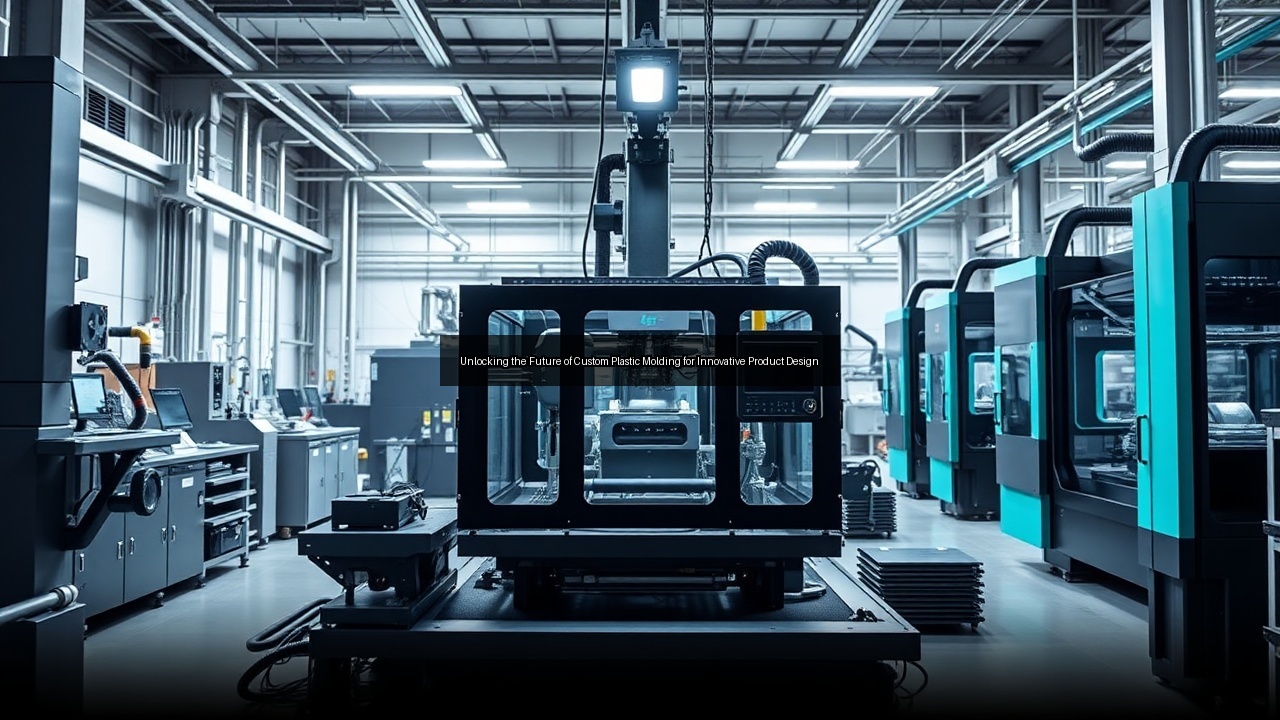
Understanding Custom Plastic Molding
The Evolution of Molding Techniques
Custom plastic molding has advanced from basic compression methods in the early 20th century to sophisticated processes that support intricate designs today. Manufacturers first relied on simple heat and pressure applications to shape plastic parts, but demand for precision drove the adoption of injection molding systems. These systems now handle high-volume production while maintaining tight tolerances. Engineers refined mold designs over decades to reduce waste and improve surface finishes. Modern facilities integrate sensors and automation to monitor every cycle, ensuring consistent output across batches. This progression allows product teams to move from concept to functional prototypes faster than ever before. Custom plastic molding continues to evolve with new polymers and hybrid approaches that blend traditional tooling with digital oversight.
Key Types of Custom Molding
Several distinct methods fall under custom plastic molding, each suited to specific part requirements. Injection molding dominates for complex geometries and tight tolerances, while blow molding produces hollow items like bottles. Thermoforming shapes sheets over molds for larger panels and enclosures. Rotational molding creates seamless tanks and containers through tumbling action. Manufacturers select the right approach based on material flow, wall thickness, and production scale. Custom mold projects often combine techniques to achieve unique features. Teams evaluate part function early to match the process with performance goals and budget constraints. Understanding these options helps designers avoid costly redesigns later in development.
Advantages of Custom Plastic Molding
Custom plastic molding delivers repeatable accuracy, rapid scaling, and design flexibility that other fabrication routes rarely match. Parts emerge with integrated features such as snaps, hinges, and textured surfaces, reducing secondary operations. Material efficiency stays high because excess plastic can often return to the hopper. Production runs range from a few hundred units to millions without quality drift. Designers gain freedom to explore organic shapes and undercuts that machining cannot easily create. The process supports branding through color matching and in-mold labeling. Overall, custom plastic molding lowers per-unit costs at volume while preserving structural integrity across demanding applications.
Innovative Techniques in Plastic Molding
The Role of Injection Molding
Injection molding forms the backbone of most custom plastic molding operations because it fills intricate cavities under controlled pressure. Molten resin enters the injection mold at high speed, then cools under clamp force to lock in dimensions. Modern machines adjust velocity profiles and pack pressure in real time to minimize sink marks and warpage. Multi-cavity injection molds boost throughput for consumer electronics housings and medical components. Insert placement during the cycle adds metal threads or bushings without extra assembly steps. Engineers optimize gate location and runner layout to balance fill across every cavity. This level of control makes injection molding the default choice for high-precision plastic parts that must perform reliably in the field.
Exploring Overmolding and Insert Molding
Overmolding bonds a soft elastomer layer over a rigid substrate in a single cycle, creating comfortable grips and sealed interfaces. The process requires compatible materials so the second shot adheres without primers. Insert molding places metal or ceramic components inside the injection mold before resin flows around them. Threaded inserts become permanently captured, eliminating loose fasteners in the final assembly. Both techniques reduce part count and improve durability. Designers specify overmolding for vibration damping or ergonomic surfaces. Insert molding strengthens load-bearing zones while keeping overall weight low. Custom plastic molding teams test bond strength and thermal expansion rates to ensure long-term reliability under real-world conditions.
3D Printing: A Game Changer for Custom Designs
3D printing accelerates custom plastic molding by producing functional prototypes and even short-run tooling. Engineers print test parts to verify fit and ergonomics before committing to steel injection molds. When volumes stay low, printed molds handle hundreds of shots in engineering-grade resins. Hybrid workflows combine 3D-printed cores with traditional cavities to cut lead times. Material advances now let printers create high-temperature molds that withstand injection pressures. This capability lets teams iterate designs in days instead of weeks. Custom plastic molding benefits directly because 3D printing removes barriers between concept and validated production tooling.
Material Selection for Optimal Performance
Thermoplastic vs. Liquid Silicone Rubber
Thermoplastic materials dominate most custom plastic molding projects due to fast cycle times and full recyclability. They soften under heat, flow into molds, and solidify without chemical change. Liquid silicone rubber requires vulcanization and offers superior flexibility plus temperature resistance. Designers compare durometer, chemical compatibility, and regulatory requirements when choosing between the two. Thermoplastics suit rigid housings and gears, while liquid silicone rubber excels in seals and wearable components. Material selection influences mold construction, cooling channel layout, and ejection methods. Thorough testing confirms the chosen resin meets mechanical and environmental demands before full-scale production begins.
Choosing the Right Thermoplastic Materials
Selecting thermoplastic materials starts with end-use conditions such as load, temperature range, and exposure to chemicals or UV light. Polycarbonate provides impact strength for protective covers, while nylon delivers wear resistance in moving parts. Glass-filled grades increase stiffness for structural brackets. Flow characteristics determine minimum wall thickness and feature detail achievable in the injection mold. Additives modify color, flame retardancy, and conductivity without sacrificing processability. Custom plastic molding experts review data sheets and run mold-flow simulations to predict fill patterns and cooling behavior. The right material choice directly affects part performance, cost, and manufacturability across the product lifecycle.
Integrating Threaded Inserts for Enhanced Functionality
Threaded inserts embedded during molding create durable attachment points that survive repeated assembly and disassembly. Brass or stainless inserts resist corrosion and maintain torque values better than molded threads alone. Placement requires precise fixturing inside the injection mold so resin encapsulates the knurled or barbed exterior. Engineers calculate pull-out and torque-out forces to confirm the insert meets application loads. Overmolding can add a soft seal around the insert for waterproofing. This integration reduces part count and assembly time while improving serviceability. Custom plastic molding projects that include threaded inserts achieve cleaner designs and longer service life in consumer and industrial products alike.
Quality Control and Accuracy in Molding
Importance of Quality Control in Custom Molding
Quality control safeguards every stage of custom plastic molding from resin incoming inspection to final part measurement. Dimensional checks verify critical features against drawings, while visual standards catch surface defects. Process monitoring tracks cavity pressure, melt temperature, and cycle time to detect drift before scrap accumulates. Statistical sampling plans confirm capability indices remain above target thresholds. Traceability systems link each batch to specific machine settings and material lots. Strong quality control reduces warranty claims and protects brand reputation. Manufacturers that invest in these systems deliver consistent plastic parts that meet demanding customer specifications across multiple production runs.
Techniques for Ensuring Precision in Injection Moldings
Precision in injection moldings depends on stable process parameters and well-maintained tooling. Cavity pressure sensors provide real-time feedback that allows automatic compensation for viscosity changes. Scientific molding principles map the fill, pack, and hold phases to achieve uniform density. Coordinate measuring machines and optical scanners validate part geometry after each setup. Mold maintenance schedules include cavity polishing and vent cleaning to prevent flash and short shots. Custom plastic molding teams document every adjustment so future runs reproduce the validated process. These techniques keep tolerances tight even as production volumes increase or materials vary slightly between lots.
Rapid Tooling: Speed Meets Quality
Rapid tooling bridges the gap between prototype and production by delivering functional injection molds in days rather than months. Aluminum or hybrid steel inserts handle moderate volumes while maintaining accuracy. Additive manufacturing produces complex cooling channels that shorten cycle times and reduce warpage. Engineers validate part quality on these tools before scaling to hardened multi-cavity molds. Rapid tooling supports design changes late in development without major cost penalties. Custom plastic molding programs use this approach to accelerate time-to-market while preserving the precision required for functional testing and regulatory submissions.
Logistics and Pricing Considerations
Navigating the Costs of Custom Plastic Molding
Pricing for custom plastic molding reflects tooling investment, material volume, and secondary operations. Injection molds represent the largest upfront cost, yet amortization over high volumes drives per-part expense downward. Designers reduce pricing by simplifying geometry, standardizing wall thickness, and minimizing undercuts. Material selection also influences total cost because high-performance resins carry premiums. Logistics expenses rise when parts require special packaging or international shipping. Early collaboration with molders reveals cost drivers and identifies opportunities for value engineering. Transparent quoting helps teams balance performance targets against budget limits throughout the project.
Understanding the Logistics of Molding Processes
Logistics in custom plastic molding encompass resin procurement, mold storage, and finished-goods distribution. Reliable suppliers maintain buffer stock to prevent production interruptions from material shortages. Mold handling requires climate-controlled facilities to protect precision surfaces between runs. Packaging choices protect delicate features during transit while minimizing waste. Inventory strategies such as vendor-managed stock align production schedules with demand forecasts. Custom plastic molding partners coordinate these elements so clients receive parts on time without excess carrying costs. Effective logistics planning keeps projects on schedule from initial sampling through ongoing replenishment orders.
The Future of Custom Molding in Product Design
Custom plastic molding will continue advancing through tighter integration of simulation software, real-time process control, and sustainable materials. 3D printing will expand its role in both prototyping and low-volume tooling. Overmolding and insert molding will grow more sophisticated as multi-material compatibility improves. Material selection will emphasize recyclability and bio-based options without sacrificing performance. Quality control systems will leverage machine learning to predict defects before they occur. Pricing models may shift toward subscription-style tooling programs that lower entry barriers. These developments position custom plastic molding as a core enabler for innovative, functional product designs across industries for years ahead.
See Also
- The Art of Custom Plastic Molding and Its Impact on Manufacturing Efficiency
- A Closer Look at Overmolding Techniques in Custom Plastic Production
- How Liquid Silicone Rubber is Transforming Custom Plastic Molding
- Navigating Logistics Challenges in Custom Plastic Molding Solutions
- Custom Plastic Molding Innovations Driving the Industry Forward