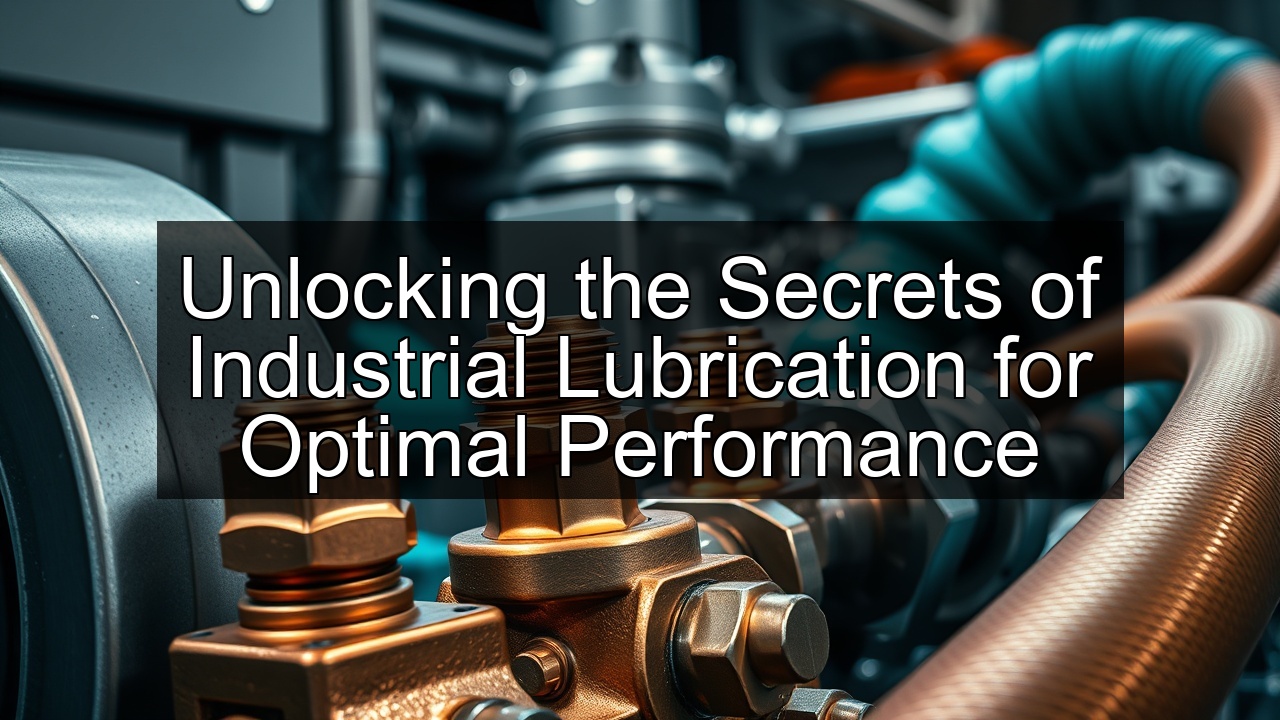
Unlocking the Secrets of Industrial Lubrication for Optimal Performance
Understanding Industrial Lubrication
What is Industrial Lubrication?
Industrial lubrication involves applying specialized lubricants to machinery and equipment to minimize friction, reduce wear, and ensure smooth operation. This crucial process promotes efficiency and extends the lifespan of various machinery components. Lubricants can be oils, greases, or even solid materials, each chosen based on specific operational needs. By reducing friction between moving parts, industrial lubrication plays a significant role in preventing overheating and mechanical failure. Understanding the properties of different lubricants allows engineers and technicians to select the most suitable options for each application, ensuring optimal performance and reliability.
The Importance of Lubrication in Machinery
Effective lubrication is vital in maintaining machinery efficiency and longevity. When machines operate without adequate lubrication, wear and tear accelerate, leading to costly repairs and downtime. Lubrication minimizes heat generation by facilitating smoother movement between components, such as machine screws and cylinders. Additionally, lubricants help to seal out contaminants that can damage parts, such as dirt and moisture, particularly in hydraulic systems that use hydraulic hoses and valves. Regular maintenance of lubrication systems prevents breakdowns and enhances overall productivity, making it essential for industries reliant on heavy machinery.
Common Types of Industrial Lubricants
Various types of industrial lubricants exist, each designed for specific applications. Oil-based lubricants, including mineral and synthetic oils, offer excellent fluidity and heat resistance, making them suitable for high-speed machinery. Grease lubrication, consisting of thickened oils, provides superior adherence to parts like grease fittings, ensuring long-lasting protection even under high pressure. Solid lubricants, such as graphite and molybdenum disulfide, serve specialized functions in extreme conditions where conventional oils may fail. Understanding the characteristics and applications of these lubricants allows industries to optimize their lubrication strategies effectively.
Key Components and Tools in Industrial Lubrication
Essential Tools for Effective Lubrication
Successful industrial lubrication requires specific tools designed to apply lubricants accurately and efficiently. Key tools include oil pumps, grease guns, and lubrication dispensers, all of which facilitate the precise application of lubricants to machinery components. Properly functioning grease fittings ensure that grease reaches the intended parts, such as bearings or gears, without oversaturation. Regular inspection and maintenance of these tools are essential to avoid lubrication gaps that could lead to machinery failure. Investing in high-quality lubrication tools enhances operational efficiency and reduces maintenance costs over time.
Understanding the Role of Grease Fittings and Oil Pumps
Grease fittings and oil pumps play a pivotal role in ensuring that lubricants reach vital areas of machinery. Grease fittings, often found on various components, allow for easy application of grease, ensuring that moving parts receive the necessary lubrication without disassembly. Oil pumps circulate lubricant through hydraulic systems, maintaining optimal pressure and flow. For instance, in hydraulic applications, the efficiency of hydraulic hoses and valves depends significantly on the proper functioning of oil pumps. Regularly checking these components for wear and ensuring they function correctly can dramatically improve lubrication effectiveness.
The Functionality of Hydraulic Hoses and Valves
Hydraulic hoses and valves are integral to the lubrication of hydraulic systems. These components transport lubricants under pressure, enabling smooth operation of machinery. Hydraulic hoses must withstand high pressures and temperatures, making the choice of materials crucial for longevity. Valves control the flow of lubricants, ensuring that the right amount reaches each component at the right time. Understanding the interaction between hoses, valves, and lubricants helps in troubleshooting potential issues that could hinder performance. Regular maintenance of these elements ensures a reliable lubrication system that supports overall machinery efficiency.
Advanced Lubrication Technologies
Synthetic Oils vs. Traditional Grease: A Comparative Analysis
Synthetic oils and traditional greases represent two primary categories of industrial lubricants, each with distinct advantages and applications. Synthetic oils offer superior thermal stability and viscosity, making them ideal for high-performance applications. They resist breakdown under extreme conditions and provide excellent lubrication over a wide temperature range. Traditional greases, while effective in many scenarios, may not perform as well at high temperatures or under extreme loads. The choice between synthetic oils and traditional greases often depends on specific operational conditions, with many industries shifting towards synthetic options for enhanced performance and reduced maintenance.
Innovative Lubrication Systems for Modern Industries
Modern industries increasingly adopt innovative lubrication systems designed to enhance efficiency and reduce downtime. Automated lubrication systems, for example, deliver precise amounts of lubricant at set intervals, eliminating human error and ensuring consistent maintenance. These systems often integrate sensors and monitoring technology to provide real-time data on lubricant levels and performance. Innovations such as centralized lubrication systems streamline maintenance across multiple machines, reducing the need for manual intervention and enhancing overall productivity. These advancements in lubrication technology enable industries to maintain optimal performance while minimizing operational costs.
The Role of Teflon and O-rings in Enhancing Lubrication
Teflon and O-rings play significant roles in improving lubrication systems, particularly in reducing friction and ensuring seals against leaks. Teflon, known for its low friction properties, can be used in various applications, including bearings and seals, to enhance lubricant performance. O-rings, essential for preventing leaks in hydraulic hoses and valves, maintain system integrity by creating a tight seal. Ensuring these components remain in good condition is crucial for effective lubrication. Regular inspection and replacement of worn O-rings can prevent lubricant loss and maintain system efficiency, safeguarding machinery from wear and tear.
Best Practices for Optimal Lubrication Performance
Lubrication Schedules: Timing and Frequency
Adhering to a well-structured lubrication schedule is fundamental for maintaining machinery performance. The timing and frequency of lubrication depend on machinery usage, operating conditions, and the type of lubricant used. Regularly scheduled lubrication sessions help ensure that components receive adequate protection against wear. Industries often implement a preventive maintenance strategy, where lubrication tasks are performed based on manufacturer recommendations and operational monitoring. This proactive approach minimizes the risk of unexpected failures and maximizes machinery lifespan, ultimately leading to improved productivity and reduced costs.
Troubleshooting Common Lubrication Issues
Identifying and resolving common lubrication issues is vital for ensuring optimal performance. Common problems include inadequate lubricant application, contamination, and improper lubricant selection. Technicians can troubleshoot by checking lubrication points for signs of wear or insufficient grease. Contaminated lubricants can lead to equipment failure, so maintaining clean storage and application methods is essential. Regular inspections enable teams to catch issues early, preventing costly machine downtime and repairs. Establishing a clear troubleshooting protocol can enhance response times and reduce the impact of lubrication-related problems.
Maintaining Lubrication Systems: Tips and Techniques
Proper maintenance of lubrication systems is critical for sustaining performance and reliability. Regularly inspect pumps, hoses, valves, and fittings for wear and damage. Replace worn or damaged components promptly to prevent leaks and ensure consistent lubricant delivery. Keep lubrication tools clean and well-maintained to avoid contamination of lubricants. Educating staff on lubrication best practices and the significance of regular maintenance can further enhance system performance. Implementing a thorough maintenance checklist can streamline inspections and ensure that all aspects of the lubrication system remain in optimal condition.